Most articles on lifelong learning are written by institutions — UNESCO, universities, corporate training departments — and they treat it as a policy issue or an HR initiative. Useful framing, if you run a country or a learning and development team. Not useful if you’re a man trying to keep getting sharper for the next forty years of your life.
This is the version those articles aren’t writing.
Because the real story of lifelong learning isn’t about access to education or workforce upskilling. It’s about a quiet, dangerous transition that happens inside successful people — almost always without their noticing — where they stop seeing themselves as students and start believing they’ve become masters.
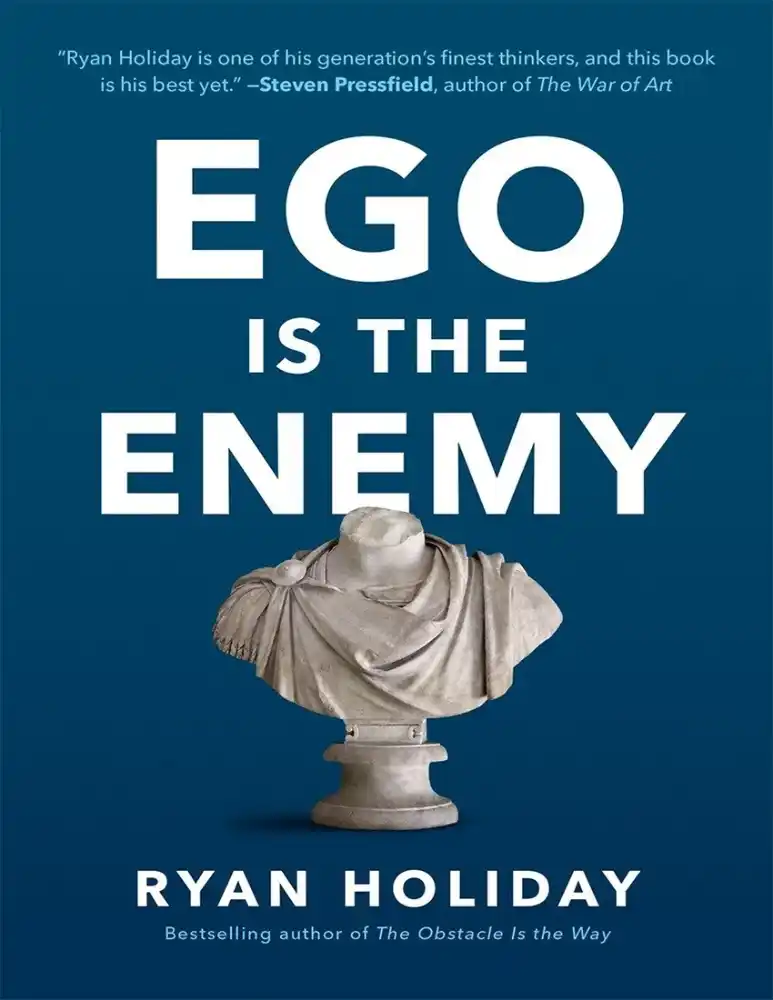
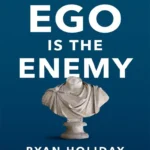
In Ryan Holiday’s Ego Is the Enemy, that transition is identified as one of the most destructive moments in any career. It has destroyed more potential than any external competition ever could.
The irony is brutal: the people who most need to keep learning are precisely the ones who believe they no longer need to.
Success breeds confidence. Confidence breeds certainty. And certainty kills the curiosity that produced the success in the first place.
This article is about the discipline of refusing that decline.
What Is Lifelong Learning?
Lifelong learning is the ongoing, voluntary, and self-directed pursuit of knowledge — for personal growth, professional relevance, or both — that continues across an entire life rather than ending at graduation.
That’s the definition you’ll find in dictionaries. It’s accurate, and it misses the point.
The real definition is sharper: lifelong learning is the refusal to let your own success make you stop. It’s the daily decision to remain a student in domains where everyone around you is treating you as an expert. It’s the discipline of treating curiosity as a permanent posture instead of a phase of life that ends when you’ve “made it.”
Most people stop learning around 30. They’ve built a career, formed their views, and quietly decide they know enough. The lifelong learner refuses that exit. He keeps reading, keeps asking, keeps revising, keeps making himself uncomfortable on purpose — for the rest of his life.
This is the version no institution can teach you. It has to be chosen.
The Student Mindset vs. The Expert Trap
Holiday distinguishes between two fundamental orientations toward knowledge and growth.
The student mindset sees every experience as an opportunity to learn, every person as a potential teacher, and every failure as valuable feedback.
The expert mindset believes it has arrived, that its understanding is sufficient, and that its methods are proven.
The student acknowledges how much he doesn’t know. The expert focuses on defending what he thinks he knows. One orientation keeps you hungry and growing. The other makes you vulnerable and stagnant.
What makes this distinction particularly dangerous is that the expert trap doesn’t only catch mediocre performers — it specifically targets successful people. Those who’ve achieved something significant face the greatest temptation to stop learning, because they have evidence that their approach works.
But past success is no guarantee of future relevance. The world changes. Industries evolve. Strategies that worked yesterday become obsolete tomorrow.
Only those who remain students can adapt fast enough to stay ahead.
Why Success Makes Us Stupid
Holiday explains the psychological mechanism that makes success the single most dangerous threat to continued learning.
When we achieve something meaningful, our brains naturally conclude: “What I did worked, so I should keep doing it.” That seems logical. It’s actually a cognitive trap.
Success creates what psychologists call outcome bias — we attribute our results to our actions even when luck, timing, or external factors played major roles. We overestimate our understanding of why things worked. We become overconfident in our ability to replicate it.
This produces a predictable cycle:
- Success generates confidence.
- Confidence reduces openness to new information.
- Reduced openness causes us to miss important changes in our environment.
- Missed changes lead to failure.
The very success we earned by remaining curious and adaptive becomes the foundation for the rigidity that guarantees our decline.
Ego accelerates the process by insisting that our success validates our superiority. Instead of seeing ourselves as fortunate people who executed well in favorable circumstances, we see ourselves as masters who’ve transcended the need for learning.
This is the version of yourself that lifelong learning protects against.
The Genius Delusion
Holiday warns against a particularly toxic myth: the self-assured genius who never doubts or questions himself.
Popular culture celebrates visionaries who succeed through raw brilliance and unshakeable confidence. This mythology is not just wrong — it’s actively harmful.
Real genius — the kind that produces lasting impact — comes from deep engagement with problems, willingness to be wrong, and constant refinement of understanding. The most brilliant people throughout history aren’t the ones who never questioned themselves. They’re the ones who questioned themselves constantly while maintaining the courage to act anyway.
Bill Walsh, the legendary NFL coach, embodied this paradox. Despite building one of the most successful dynasties in football history, he remained intensely focused on learning and improvement. He didn’t rely on his past success to carry him forward. He studied constantly, adapted continuously, and never assumed his methods couldn’t be improved.
Walsh understood what ego prevents most successful people from grasping:
Confidence in your ability to learn is infinitely more valuable than confidence in what you already know.
That single sentence is the lifelong-learning discipline in one line.
The Discipline of Active Learning
Holiday emphasizes that staying a student requires deliberate effort — especially after achieving success. It’s not enough to passively remain “open” to learning. You must actively seek it out and build structures that ensure it happens.
Seek out criticism. Most successful people surround themselves with yes-men who reinforce their existing beliefs. Students actively seek people who will challenge their thinking and point out their weaknesses.
Study your failures. When things go wrong, ego wants to externalize the blame or minimize the setback. Students dig into failures to extract every possible lesson, even when it’s uncomfortable.
Learn from everyone. Ego creates hierarchies — we’ll learn from recognized experts but dismiss insights from “lesser” sources. Students recognize that valuable knowledge can come from anywhere, including people less credentialed than themselves.
Question your successes. Perhaps the hardest discipline is examining victories as rigorously as defeats. What worked by luck versus skill? What external factors contributed? What might not work next time?
Stay in the books. Holiday emphasizes that successful people often stop reading and studying once they’ve “made it.” They’re too busy executing to keep learning. This is catastrophic. The most effective people make learning a non-negotiable part of their routine regardless of how busy they get.
The pattern across all five: lifelong learning isn’t a feeling. It’s a system you build before you need it.
The Beginner’s Mind Advantage
Zen Buddhism contains the concept of beginner’s mind — approaching situations with openness and a lack of preconceptions, even in areas where you’re experienced.
Holiday applies the idea to success and argues that maintaining a beginner’s orientation provides enormous competitive advantages.
Beginners ask questions experts won’t ask, because experts assume they already know the answers.
Beginners try approaches that experts dismiss without consideration.
Beginners see possibilities that experts have trained themselves not to notice.
This doesn’t mean abandoning your expertise or pretending you know less than you do. It means combining your experience with the openness and curiosity of someone encountering things for the first time.
The martial artist Frank Shamrock captured this perfectly: he made it his philosophy to constantly put himself in positions where he was learning from better fighters. Even after becoming champion, he deliberately sought out situations where he was the student, not the master.
The man who stops being a student at the moment he becomes a champion is the man who stops becoming a champion.
Learning vs. Defending
Holiday identifies a critical fork in the road that appears repeatedly throughout life:
We can either learn from an experience or defend our ego’s interpretation of it.
We rarely do both well at the same time.
When someone criticizes our work, we can examine whether they’re right and what we can learn — or we can focus on why their criticism is invalid and how to refute it.
When a strategy fails, we can analyze our mistakes honestly — or we can construct narratives that protect our self-image.
Ego always pushes toward defending, because learning requires admitting we don’t know everything. It demands acknowledging mistakes, revising beliefs, and accepting that our understanding was incomplete or wrong.
Students prioritize learning over defending. They’d rather be corrected than continue being wrong. They value growth over appearing knowledgeable.
This requires the emotional security that ego actively undermines — which is exactly why most people lose the discipline as their success grows.
The Compounding Effect of Lifelong Learning
Holiday argues that the advantage of remaining a student compounds dramatically over time. Small daily increments in knowledge and capability seem insignificant in the moment but accumulate into massive differences over years.
Take two men with similar talent and similar opportunity.
One achieves early success and shifts into expert mode. He defends what he knows and repeats what worked.
The other achieves similar success but intensifies his learning. He constantly seeks improvement and new understanding.
Five years later, the gap between them is significant. The expert has refined his initial approach but fundamentally remains where he started. The perpetual student has evolved — new methods, expanded capabilities, adapted to changing circumstances.
Ten years later, they’re not even in the same category. The expert is still executing the playbook that brought him early success, often with diminishing returns. The student has transformed into something almost unrecognizable from his earlier self, with a vastly expanded toolkit and a deeper understanding of his domain.
This compounding effect is why the best investors, entrepreneurs, scientists, artists, and leaders in any field tend to be voracious lifelong learners. They understand that their edge doesn’t come from what they know today. It comes from their capacity to know more tomorrow.
The asset is the learning system, not the current knowledge.
Wisdom vs. Intelligence
Holiday draws an important distinction between intelligence and wisdom.
Intelligence is about processing information quickly and recognizing patterns.
Wisdom is about understanding what matters, seeing complexity clearly, and making sound judgments.
Ego inflates intelligence but undermines wisdom. An intelligent man with ego believes his quick thinking makes learning unnecessary. He trusts his ability to figure things out on the fly and dismisses the slow accumulation of understanding that produces wisdom.
True wisdom requires humility — acknowledging how much we don’t know, recognizing the limits of our understanding, and respecting the complexity of problems we face. These traits are incompatible with ego’s need to appear smart and certain.
The wisest people in history are almost universally those who maintained the student mindset across their lives. They accumulated intelligence through learning but tempered it with awareness of their own limitations. That combination is formidable. It’s also rare.
When Expertise Becomes a Liability
Holiday warns that expertise itself can become a liability when it hardens into dogma.
When we’ve invested years developing specific skills or knowledge, our ego becomes attached to the value of that expertise. We start resisting information that might make our hard-won capabilities less relevant.
This creates dangerous blind spots. Experts in any field often reject innovations not because the innovations are invalid but because accepting them would diminish the value of their existing expertise. Ego can’t tolerate that threat, so it rationalizes resistance to change as principled skepticism.
The most adaptable people recognize when their expertise needs updating — or replacing entirely. They’re willing to treat their past learning as sunk cost rather than defensible territory.
That flexibility is rooted in the student mindset. It’s what allows men to evolve as circumstances demand instead of being slowly buried by them.
Practical Strategies for Remaining a Student
Holiday provides concrete approaches for maintaining a learning orientation despite ego’s resistance.
Schedule regular learning. Block out non-negotiable time for reading, studying, or engaging with new ideas. Success makes you busy. Learning must be deliberately prioritized, or it doesn’t happen.
Find better teachers. Continuously seek out people who know more than you and can expand your understanding. The moment you’re the smartest person in every room, you’re in the wrong rooms.
Document your ignorance. Maintain a list — literally — of things you don’t understand or know. This forces you to confront gaps in your knowledge rather than pretending they don’t exist.
Separate learning from performance. Create contexts where you can be a student without the pressure to perform or demonstrate expertise. This might mean taking classes, attending workshops, or simply reading deeply outside your field.
Teach others. One of the best ways to stay a student is to teach, because teaching exposes what you don’t fully understand. The questions students ask often reveal assumptions you’ve never examined.
Each of these is small. None of them are remarkable in isolation. The man who does all five for thirty years becomes someone the rest of the world cannot keep up with.
The Ultimate Test: Success
Holiday argues that the ultimate test of the student mindset comes after success — not before.
It’s relatively easy to stay humble and learning-focused when you’re struggling or starting out. The real challenge is maintaining that orientation when you have evidence that your approach works and social pressure to act like an expert.
This is where most people fail.
Success makes the student mindset feel optional. We’ve proven ourselves — so why keep questioning and learning? We’re busy capitalizing on our success — so who has time for study?
But this is precisely when the student mindset becomes most valuable. Success creates opportunities that only sustained learning allows you to fully exploit. It also creates vulnerabilities that only continuous adaptation helps you avoid.
The people who sustain success across decades are those who refuse to graduate from the school of life. They remain students not despite their success but because of their understanding that success is temporary without continuous learning.
The Freedom of Perpetual Studenthood
Paradoxically, remaining a student provides a kind of freedom that expertise lacks.
When you’re an expert, you’re trapped by your reputation and past positions. You have to defend what you’ve claimed to know. You must maintain consistency with your established views.
As a student, you’re free to change your mind, admit mistakes, and pursue truth wherever it leads. You’re not defending territory — you’re exploring new ground. This freedom allows for an intellectual honesty that ego-driven expertise makes impossible.
The freedom extends to career and life choices. Experts are often locked into narrow paths defined by their expertise. Students maintain flexibility because they’re not attached to a particular identity or body of knowledge. They can pivot, adapt, and pursue new directions as circumstances and interests evolve.
This is the hidden gift of lifelong learning that nobody advertises: it doesn’t just make you smarter. It makes you free.
The Daily Choice
Holiday frames the student-versus-expert decision as something we face not once but continuously.
Every interaction, every experience, every piece of feedback presents the same choice: Will I approach this as a student or as an expert?
There’s no final arrival at studenthood. There’s no graduation into expertise. There’s only a daily practice of choosing curiosity over certainty, learning over defending, growth over stagnation.
Ego makes the expert path feel more appealing because it offers immediate gratification — feeling smart, being recognized as knowledgeable, having answers rather than questions.
The student path is harder. It requires admitting what you don’t know, accepting correction, and confronting your limitations.
But only one of these paths leads to sustained success and genuine wisdom.
The choice, as always, is yours — and it’s the one you make today, not the one you’ll get around to making “when you have time.”
Frequently Asked Questions
What is lifelong learning?
Lifelong learning is the ongoing, voluntary, and self-directed pursuit of knowledge throughout life — beyond formal schooling, beyond your degrees, beyond your job title. It’s both a habit (the structures you build) and a mindset (the refusal to assume you’ve learned enough).
Why is lifelong learning important?
Because the world changes faster than any one moment of expertise can keep up with. Industries evolve, technologies replace themselves, and strategies that worked ten years ago become liabilities. Lifelong learning is what keeps a man relevant, adaptable, and useful across decades instead of just years. It’s also what protects against the slow ego trap of believing your past success means you’ve arrived.
What’s the difference between a student mindset and an expert mindset?
The student mindset sees every experience as a chance to learn, every person as a potential teacher, and every failure as feedback. The expert mindset believes it has arrived and focuses on defending what it thinks it already knows. One keeps you growing. The other makes you fragile.
How do successful people stop learning?
Slowly, and without noticing. Success generates confidence. Confidence reduces openness to new information. The man whose ideas keep working stops questioning them. By the time the environment shifts, he’s too rigid to adapt — and his earlier success becomes the foundation for his decline. This is the central warning in Ryan Holiday’s Ego Is the Enemy.
What are the best practices of lifelong learners?
Schedule non-negotiable learning time. Surround yourself with people who know more than you. Maintain a written list of things you don’t understand. Study your failures honestly. Question your successes just as rigorously. Read constantly, including outside your field. Teach what you know — it exposes what you don’t.
Who is Ryan Holiday and why is Ego Is the Enemy central to lifelong learning?
Ryan Holiday is a writer and modern Stoic philosopher whose book Ego Is the Enemy argues that ego is the primary obstacle to growth, success, and wisdom. The book makes the case that staying a student — refusing the expert trap — is the master discipline that protects against ego’s worst self-sabotaging effects.
Can you start lifelong learning at any age?
Yes. The discipline is age-neutral. Men starting at 45 or 55 see the same compounding curve as men starting at 25 — it just begins from a different starting point. The only requirement is the decision to start.
Is lifelong learning the same as continuing education?
No. Continuing education is institutional — courses, credentials, certifications. Lifelong learning is broader and includes informal study, reading, mentorship, conversation, deliberate practice, and self-directed inquiry. Continuing education can be one expression of lifelong learning, but it isn’t required for it.
Source: Ego Is the Enemy by Ryan Holiday — essential reading for anyone committed to continuous growth and avoiding the traps that ego sets for ambitious people.
Related posts:
 Lifelong Learning Tips: Four Pillars for Staying a Student
 How Ego Causes Self-Sabotage: A Practical Framework Inspired by Ryan Holiday
 Ego Is the Enemy Summary: 25 Essential Lessons From Ryan Holiday
 Mentorship Tips That Actually Work (And Why Most Advice Fails)
 Who is Ryan Holiday and His Impact on Philosophy Presented By Masculine Synergy