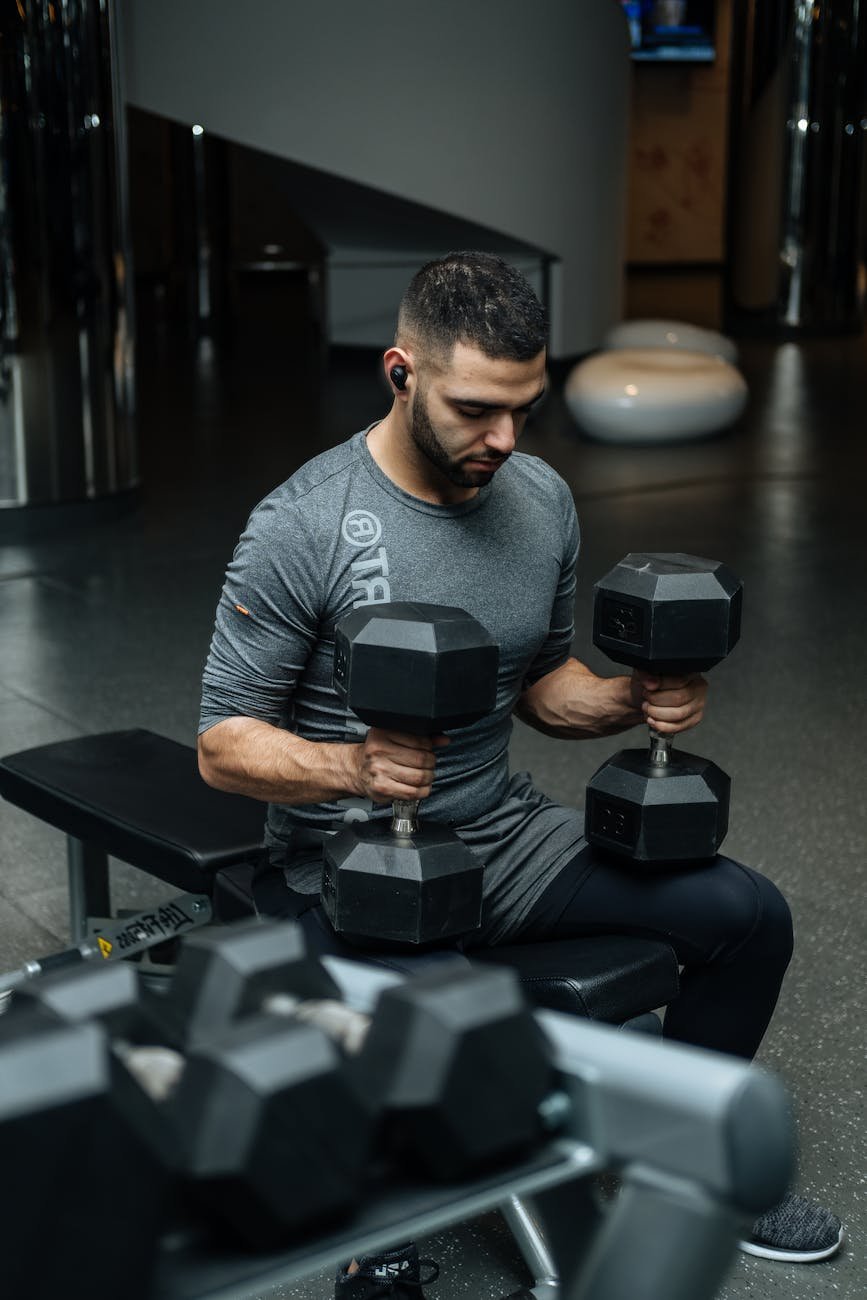
The Vision That Defines Physical Wealth
Imagine yourself at eighty years old. The venue is filled with people you love, music is playing, and everyone is celebrating your life. The question Sahil Bloom poses in “The 5 Types of Wealth” is simple but profound: Will you be dancing at your eightieth birthday party? Not metaphorically—literally. Will your body still be capable of moving with joy, strength, and autonomy? Or will you be confined to a chair, dependent on others, your body a prison rather than a vehicle for experiencing life?
This isn’t about vanity or achieving a perfect physique. This is about what Bloom calls Physical Wealth—the capacity to move, function, and thrive throughout the entirety of your life, not just your youth. It’s about recognizing that your body is not merely a tool for achieving other goals; it’s the foundation upon which every other form of wealth is built.
Without Physical Wealth, Time Wealth means little—what good are years if you lack the energy to enjoy them? Social Wealth suffers—relationships require the vitality to show up and engage. Mental Wealth declines—the connection between physical and mental health is undeniable. Even Financial Wealth diminishes in value when medical bills consume savings and physical limitations prevent you from experiencing what money could buy.
Yet despite its foundational importance, Physical Wealth is perhaps the most neglected form of wealth in modern society. We treat our bodies like machines that should work without maintenance, abuse them with poor choices, and then act surprised when they break down prematurely.
The Lesser World We’ve Created
One of the most compelling sections in “The 5 Types of Wealth” is Bloom’s exploration of what he calls “The Story of Our Lesser World.” He traces the dramatic shift in human physical experience over the past century, revealing how technological advancement has created unprecedented convenience while simultaneously creating unprecedented physical poverty.
For nearly all of human history, physical activity wasn’t optional—it was survival. Our ancestors walked miles daily, performed demanding physical labor, and moved their bodies in diverse, functional ways throughout the day. They didn’t “exercise”—they lived, and living required movement. As Bloom notes, Leonardo da Vinci’s famous Vitruvian Man depicted the human body as perfectly designed for movement, proportion, and function. But in the modern world, we’ve designed movement out of daily life.
We sit for hours at work, commute sitting in cars, return home to sit on couches, and wonder why our bodies are failing. We’ve engineered physical effort out of almost every daily task—escalators replace stairs, cars replace walking, apps replace even the minimal movement of shopping. The average person today moves dramatically less than any human in history, and we’re paying a devastating price.
The statistics Bloom presents are alarming: chronic diseases related to sedentary lifestyles are at epidemic levels, average strength and cardiovascular capacity have declined significantly across generations, and we’re simultaneously the most “health-conscious” culture in history and one of the unhealthiest. We know more about nutrition and fitness than ever before, yet we’re less fit than our ancestors who knew nothing about macro-nutrients or VO2 max.
The paradox, as Bloom explains, is that we’ve mistaken health information for health action. We read about exercise instead of exercising, watch videos about nutrition instead of eating nutritiously, and optimize our knowledge while our bodies deteriorate.

The Three Pillars of Physical Wealth
In “The 5 Types of Wealth,” Bloom identifies three pillars that support Physical Wealth:
1. Strength: Not just muscular strength, though that matters, but overall physical capability and resilience. Bloom draws on research showing that muscle mass and strength are among the strongest predictors of longevity and quality of life in aging. The ability to lift, carry, push, and pull—to be functionally strong—enables independence and reduces injury risk.
Bloom challenges the common misconception that strength training is about aesthetics or athletics. For most people, strength training is about maintaining the basic physical capabilities required for independent living. Can you get up from the floor without assistance? Can you carry your groceries? Can you play with grandchildren? These aren’t trivial concerns—they’re the difference between vibrant aging and dependent decline.
The strength pillar also encompasses what Bloom calls “anti-fragility”—building a body that gets stronger in response to appropriate stress rather than breaking down. This requires progressive overload, adequate recovery, and consistency over intensity. As Bloom notes, the workout that builds strength isn’t the heroic one-time effort; it’s the modest but consistent practice maintained for decades.
2. Energy: The vitality and stamina to engage fully with life. Bloom explains that Physical Wealth isn’t just about living longer—it’s about having the energy to live well. This pillar addresses cardiovascular health, metabolic function, sleep quality, and the physiological capacity to sustain effort throughout the day.
Research shows that cardiovascular fitness is one of the strongest predictors of all-cause mortality—even stronger than many traditional risk factors. Yet cardiovascular training has been complicated by fitness culture, with people thinking they need intense interval training or marathon running. Bloom advocates for what science supports: regular Zone 2 training (moderate-intensity cardiovascular work where you can still hold a conversation) builds the aerobic base that supports energy throughout life.
The energy pillar also encompasses sleep, which Bloom identifies as perhaps the most undervalued component of Physical Wealth. Drawing on Matthew Walker’s research, Bloom explains that chronic sleep deprivation is epidemic and devastating—impairing cognition, weakening immunity, increasing disease risk, and diminishing quality of life. No amount of exercise can compensate for poor sleep, and no diet can overcome sleep debt.
3. Nutrition: Not diet culture’s narrow focus on weight loss, but true nourishment that supports optimal function. Bloom takes a refreshingly sane approach to nutrition, cutting through the contradictory noise of diet fads to focus on principles that are both scientifically supported and practically sustainable.
The nutrition pillar recognizes that food is information for your body—it influences inflammation, energy, mood, hormones, and long-term disease risk. But as Bloom emphasizes, nutrition doesn’t have to be complicated. The fundamentals are simple: eat mostly whole foods, consume adequate protein, include plenty of vegetables, stay hydrated, and avoid ultra-processed foods most of the time.
Bloom is particularly critical of what he calls “diet religion”—the dogmatic adherence to specific eating philosophies (keto, vegan, paleo, carnivore) that creates unnecessary complexity and often misses the bigger picture. While these diets may work for some people, the aggressive tribalism around food choices distracts from the basics that work for almost everyone.
The Warrior Archetype
An fascinating section of “The 5 Types of Wealth” explores what Bloom calls the “warrior archetype”—the historical understanding that physical capability was not separate from other virtues but integral to them. The ancient Greeks, Spartans, Romans, and many other cultures saw physical training as inseparable from mental, moral, and spiritual development.
This wasn’t about violence or aggression—it was about capability and discipline. The warrior archetype recognized that the discipline required to train your body transfers to every other domain. The mental fortitude developed through physical challenge strengthens your capacity to handle life’s other challenges. The confidence that comes from physical capability radiates into social interactions, professional performance, and personal resilience.
Bloom argues that modern culture has lost this integrated understanding. We’ve separated physical training from character development, treating exercise as a vanity project rather than a foundational practice. We’ve created false dichotomies between “intellectual” and “physical” pursuits, as if developing one requires neglecting the other. But as ancient wisdom and modern science agree: physical capability enhances rather than detracts from mental performance.
Practical Systems for Building Physical Wealth
“The 5 Types of Wealth” provides a comprehensive guide to building Physical Wealth without requiring expensive equipment, complicated programs, or excessive time. Here are some of the most practical systems:
The Thirty-Day Challenge: Bloom recommends starting with a simple thirty-day commitment to daily movement. Not heroic workouts—just thirty minutes of deliberate physical activity every day. This could be walking, bodyweight exercises, yoga, or any movement you enjoy. The goal is consistency and habit formation, not intensity. After thirty days, the habit is established, and you can build from there.
The Vital Five: Five fundamental movements that build comprehensive physical capability: push (like push-ups), pull (like rows), squat, hinge (like deadlifts), and carry (like farmer’s walks). Bloom argues that a simple program built around these five movement patterns provides everything most people need for functional strength. No fancy equipment required—you can perform variations of all five movements with just your bodyweight or minimal equipment.
Zone 2 Heart Rate Training: Rather than punishing high-intensity workouts, Bloom advocates for regular Zone 2 cardio—working at a heart rate where you can still hold a conversation. This builds aerobic capacity, improves metabolic health, and can be sustained consistently. Walking, easy jogging, cycling, or swimming all work. The key is duration and consistency, not intensity.
The Sleep Sanctuary: Bloom provides a comprehensive protocol for optimizing sleep: keep the bedroom cool (around 65-68°F), completely dark, and reserved for sleep and intimacy only. Establish consistent sleep and wake times, even on weekends. Implement digital sunsets at least an hour before bed. Consider magnesium supplementation and reading instead of screens before sleep. These simple changes can dramatically improve sleep quality.
The Protein Target: Bloom recommends a simple daily protein target: aim for your body weight in pounds times 0.7-1.0 grams. For a 150-pound person, that’s 105-150 grams of protein daily. This supports muscle maintenance, satiety, and metabolic health. He provides simple strategies for hitting this target without complicated meal plans.
The Hydration System: Start each day with a large glass of water. Keep water visible and accessible throughout the day. Set reminders if needed. Aim for half your body weight in ounces (a 150-pound person should drink about 75 ounces). This simple practice supports energy, cognition, digestion, and overall function.
The Longevity Mindset
A significant theme in “The 5 Types of Wealth” is what Bloom calls “training for longevity versus training for now.” Most fitness culture is oriented toward current performance or appearance—how much can you lift today, how do you look in a swimsuit this summer. But Physical Wealth requires a longer view: What will enable you to thrive at eighty?
This shift in perspective changes everything. It means prioritizing sustainability over intensity, consistency over heroics, and functional capability over specialized performance. It means including mobility work and flexibility training, not because they burn calories but because they prevent the movement restrictions that plague most elderly people. It means strength training not to build impressive muscles but to maintain the muscle mass that will protect your bones and enable independence in old age.
Bloom introduces the concept of “healthspan versus lifespan”—the goal isn’t just living longer, but living well longer. He cites research on centenarians in Blue Zones (areas with exceptional longevity) showing that these long-lived populations share certain characteristics: they move naturally throughout the day, they eat mostly plant-based whole foods, they have strong social connections, and they maintain purpose. Physical Wealth is integrated into life, not isolated in gym sessions.
The Body-Mind Connection
Throughout “The 5 Types of Wealth,” Bloom emphasizes the bidirectional relationship between Physical Wealth and Mental Wealth. Poor physical health leads to poor mental health—inflammation affects mood, sedentary behavior increases depression risk, and poor sleep devastates cognitive function. But the reverse is equally true: improved physical health dramatically improves mental health.
Research shows that exercise is as effective as medication for treating mild to moderate depression and anxiety. Regular movement improves focus, creativity, and cognitive performance. Quality sleep is essential for emotional regulation and stress management. Proper nutrition affects neurotransmitter production and brain function.
Bloom shares his own experience: during his most professionally “successful” but personally miserable period, his physical health was terrible. He was overweight, sedentary, sleep-deprived, and eating poorly. When he finally prioritized Physical Wealth, his mental health improved dramatically—not just because he felt better in his body, but because physical capability translated into mental resilience.
The Vital Signs Protocol
One of the most practical tools in “The 5 Types of Wealth” is what Bloom calls the Vital Signs Protocol—a quarterly check-in with specific metrics that indicate Physical Wealth:
Resting Heart Rate: A lower resting heart rate generally indicates better cardiovascular health. Track it consistently and watch for trends.
Blood Pressure: Regular monitoring can catch problems early and motivate healthy changes.
Body Composition: Not just weight, but the ratio of muscle to fat. Muscle mass is protective; excess fat increases disease risk.
Strength Benchmarks: Can you do a push-up? Can you stand from a seated position without using your hands? These functional tests reveal important capabilities.
Flexibility and Mobility: Can you touch your toes? Can you squat deeply? Limited mobility predicts functional decline.
Sleep Quality: Track not just quantity but quality—do you wake feeling rested? Do you need stimulants to function?
The protocol isn’t about achieving perfection but about awareness and trend lines. Are you improving, maintaining, or declining? This awareness enables course correction before problems become crises.
Conclusion: The Foundation of Everything
As Sahil Bloom makes abundantly clear in “The 5 Types of Wealth,” Physical Wealth is not separate from other forms of wealth—it’s the foundation that enables all others. You cannot fully experience Time Wealth if you lack the energy to be present. You cannot build Social Wealth if physical limitations prevent you from engaging. You cannot sustain Mental Wealth if your body is inflamed and depleted. You cannot truly enjoy Financial Wealth if medical problems consume your resources and attention.
The dancing question—Will you be dancing at your eightieth birthday party?—is really asking: Will you have built Physical Wealth sufficient to enable a vibrant, independent, engaged old age? Or will you have traded those future decades of capability for short-term convenience and comfort?
The sobering reality is that for most people in modern society, the current trajectory leads to a dependent, limited old age. But as Bloom demonstrates, this outcome is not inevitable. The choices you make today—the movement you include, the sleep you prioritize, the food you choose—are investments in your future Physical Wealth that compound dramatically over time.
The beautiful thing about Physical Wealth is that it’s never too late to start building it. Your body has remarkable capacity to adapt and improve in response to appropriate stimulus. The person who starts strength training at sixty can build significant muscle. The sedentary person who begins walking can improve cardiovascular health. The sleep-deprived person who prioritizes rest can recover cognitive function.
As Bloom concludes in “The 5 Types of Wealth,” your eighty-year-old self is watching your choices today and hoping you’ll make the investments that enable that future person to dance, to move, to live fully. Physical Wealth is the gift you give your future self—and unlike financial wealth, no one can take it from you.
About “The 5 Types of Wealth”: Sahil Bloom’s transformative guide, published by Ballantine Books in 2025, presents a revolutionary framework for understanding wealth across five dimensions: Time, Social, Mental, Physical, and Financial. “The 5 Types of Wealth: A Transformative Guide to Design Your Dream Life” combines ancient wisdom with modern science to provide both inspiration and practical systems for building genuine richness in every area of life.
Related posts:
 The Importance of Sleep for Success (Why Discipline Depends on Rest)
 Sahil Bloom’s Wealth Score: Measure All Five Types of Wealth
 How to Apply Sahil Bloom’s Five Types of Wealth Framework
 Mental Wealth: How to Build Clarity in an Age of Infinite Distraction
 How to Create Wealth as a Man: 9 Powerful Strategies for Financial Freedom