
Transform Your Life with Practical Stoic Philosophy
Stoicism has guided humanity for thousands of years, offering practical wisdom for navigating life’s challenges. These 60 lessons, inspired by Marcus Aurelius, Seneca, and Epictetus, provide actionable guidance for modern living.
Understanding Obstacles and Adversity
1. The Obstacle Becomes the Opportunity Every difficult person or situation is a chance to practice virtue. Frustrating people test our patience; those who wrong us offer opportunities for forgiveness.
2. You Don’t Need the Third Thing When you do something good, you don’t need recognition, gratitude, or applause. The action itself is enough.
3. Adversity Can’t Stop Virtue External circumstances cannot prevent you from acting with courage, justice, wisdom, and discipline. Obstacles create opportunities to practice these virtues.
4. Fortune in Misfortune What seems unfortunate may be fortunate—it gives you a chance to demonstrate your training and resilience.
Emotional Mastery and Inner Peace
5. Keep Your Even Keel Like rocks that waves crash over, remain steady when external forces try to sweep you away.
6. You Have the Power to Have No Opinion Events don’t demand judgment. You can observe without labeling everything as good or bad, fair or unfair.
7. Your Thoughts Color Your Life The quality of your mind is determined by what you think about. Your life is dyed by the color of your thoughts.
8. It’s Not Things That Upset Us Events are objective. Our opinions about events cause our distress, not the events themselves.
9. Losing Your Temper Shows Weakness Getting overwhelmed by emotions and lashing out demonstrates a lack of self-control, not strength.
10. Let Grudges Go The people who held grudges in the past are gone. Your grievances will also disappear with time, so release them now.
Time and Mortality
11. Memento Mori—Remember Death You could leave life right now. Let that determine what you do, say, and think.
12. Death Happens Every Day You’re not just dying in the future—the time that passes belongs to death. Each moment that goes by is gone forever.
13. Protect Your Time Like Property We guard our money carefully but freely give away our time. Time is the one resource you can never recover.
14. Don’t Suffer Before It’s Necessary Anxiety about future events adds unnecessary suffering. You’re borrowing tomorrow’s problems today.
15. Do Not Be Unhappy Before Crisis Arrives Whatever you’re dreading may never happen. Why torture yourself in advance?
Daily Practice and Discipline
16. Master Your Mornings How you start your day sets the tone. Get up with purpose and intention.
17. Focus on Deep Work Protect large blocks of uninterrupted time for meaningful work, not just administrative tasks.
18. Schedule Discomfort Practice poverty, cold exposure, or other discomforts regularly so unplanned difficulties don’t derail you.
19. Start the Year with Challenge Begin each new period by doing something hard—it establishes who’s in control.
20. Treat Your Body Rigorously Physical discipline ensures your body serves your mind, not the other way around.
Relationships and Social Dynamics
21. If Someone Despises You, That’s Their Problem Your job is not to do anything despicable, and to remain patient and cheerful regardless of others’ opinions.
22. Statistical Inevitability of Difficult People Annoying or dishonest people are a statistical certainty. Accept this reality without surprise or resentment.
23. We’re Here for Each Other Human beings are social creatures meant to help one another and contribute to the common good.
24. Practice Grace and Clemency Even in situations where punishment is justified, choosing mercy demonstrates character.
25. Don’t Let Critics Change You Others’ negative opinions shouldn’t alter your commitment to doing what’s right.
Personal Growth and Learning
26. You Can’t Learn What You Think You Know Ego prevents growth. Humility and awareness of your ignorance create space for learning.
27. Nobody Is Born a Saint Everyone you admire became that way through effort and practice, not natural talent.
28. Read Extensively and Deeply Functional illiteracy means not reading. Reread important works to extract deeper wisdom each time.
29. Choose Your Philosophical Ancestors You can’t choose your parents, but you can choose whose example to follow.
30. Focus on What You Read, Not How Much Quality matters more than quantity. Read books that challenge and improve you.
Self-Control and Character
31. The Greatest Empire Is Self-Command Real power comes from controlling yourself—your thoughts, actions, and desires.
32. Enter Races Where Winning Is Up to You Compete against yourself and your potential, not against others.
33. You’re an Actor in a Play You don’t control the script, but you control how well you play your assigned role.
34. Practice Euthymia Know your path and don’t get distracted by others who are hopelessly lost.
35. Choose to Laugh, Not Cry You can despair at the world’s problems or find humor in them—the choice is yours.
Material Success and Wealth
36. Don’t Be Caesar-ified Success and power can corrupt. Use philosophy to stay grounded when you achieve them.
37. Nothing Lasts Forever Fame, power, and glory are all fleeting. Focus on being a good person instead.
38. True Wealth Is Having Few Wants Richness comes from being content with enough, not from accumulating more.
39. Wear Out, Don’t Rust Out Have something to show for your years. Live actively rather than passively.
40. Pay Life’s Taxes Gladly Delays, critics, and annoying people are inevitable costs of living. Accept them gracefully.

Decision-Making and Action
41. Know What Port You’re Sailing Toward Without clear goals, no action will move you in the right direction.
42. Do the Right Thing Always It doesn’t matter if you’re tired, hungry, or cold—your job is to act virtuously.
43. This Is What You Trained For When challenges arise, recognize them as opportunities to apply your preparation.
44. Control What You Can Control Focus energy on what’s in your power, not on things outside your influence.
45. Life Pairs You with Strong Sparring Partners Difficult situations and people make you better, like an Olympic athlete training with worthy opponents.
Mindset and Perspective
46. Don’t Have Goals, Have Standards Focus on being your best self rather than hitting arbitrary external metrics.
47. Someone Else’s Success Doesn’t Diminish Yours When others pass you, remember you’re running your own race.
48. Be Outcome-Oriented with Compassion Find the best way to achieve necessary results while considering others’ feelings.
49. You’re Complicit in Taking Offense No one can offend you without your participation—you choose your emotional response.
50. Understand Your Audience Different people need messages delivered in different ways to truly hear them.
Health and Balance
51. Monitor HALT—Hungry, Angry, Lonely, Tired These states compromise your judgment. Recognize and address them before making decisions.
52. Philosophy Doesn’t Remove Natural Feelings Being stoic doesn’t mean being emotionless—it means managing emotions constructively.
53. Pride Remains, Labor Passes When you complete hard tasks, the difficulty fades but the satisfaction endures.
54. Forget to Eat When You Love What You Do Passion for your work makes sacrifice feel natural.
55. You Become What You Consume Carefully curate your information diet—what you read, watch, and listen to shapes who you are.
Freedom and Agency
56. Control the Empire Between Your Ears True freedom exists in your mind, regardless of external circumstances.
57. Don’t Flee Yourself Constantly seeking new experiences often means avoiding inner work.
58. Laugh or Cry—Your Choice You control your response to life’s events, even when you don’t control the events themselves.
59. The Unexpected Blow Lands Heaviest Prepare for difficulties through negative visualization, but don’t torture yourself with anxiety.
60. Hope Is Getting Up Each Day Despite life’s hardships, continuing to strive for goodness and meaning demonstrates profound optimism.
Applying Stoic Wisdom Today
These ancient lessons remain remarkably relevant for modern challenges. Whether navigating corporate environments, raising children, building businesses, or simply trying to be better people, Stoic philosophy provides practical tools for daily life.
The key is consistent practice. Read these principles regularly, journal about them, and most importantly, apply them in real situations. Stoicism isn’t just intellectual—it’s a lived philosophy that becomes more powerful through action.
Start with one lesson that resonates with you. Practice it for a week, then add another. Over time, these principles compound, transforming not just how you think but how you live.
Remember: You’re not trying to be perfect. You’re trying to be better than yesterday. That’s the Stoic path—constant improvement through daily practice.
What Stoic lesson will you practice today? The ancient philosophers remind us that knowledge without application is useless. Choose one principle, and put it into action now.
Source: 60 (Stoic) Rules For Life by Riyan Holiday from Daily Stoic
Ryan Holiday’s Wisdom Takes Work: The Ultimate Guide to Ancient Wisdom for Modern Life

Related posts:
 12 Daily Stoic Exercises to Build Resilience and Mental Strength
 Who is Ryan Holiday and His Impact on Philosophy Presented By Masculine Synergy
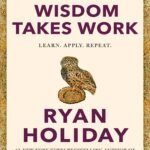 Ryan Holiday’s “Wisdom Takes Work”: Why Philosophy Only Matters When It’s Practiced
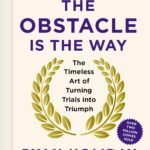 The Obstacle Is the Way Summary: Ryan Holiday’s Complete Framework
 Stoic Joy: Recovering the Affirmative Side of an Ancient Philosophy