The Uncomfortable Truth About Modern Romance
Podcast host Chris Williamson recently sparked a crucial conversation about dating dynamics in his viral discussion: why do so many women find themselves repeatedly attracted to emotionally unavailable men, toxic partners, and the classic “bad boy”? The answer isn’t as simple as personal choice—it’s about decades of cultural conditioning through movies, media, and popular advice that has fundamentally reshaped what many women perceive as desirable.
The Pop Culture Problem: How Movies Taught Us to Choose Chaos Over Stability
According to Williamson’s analysis, modern romance narratives have been subtly training women to confuse conflict with compatibility and drama with depth. The pattern is consistent across countless films and books:
The Stable Guy Always Loses
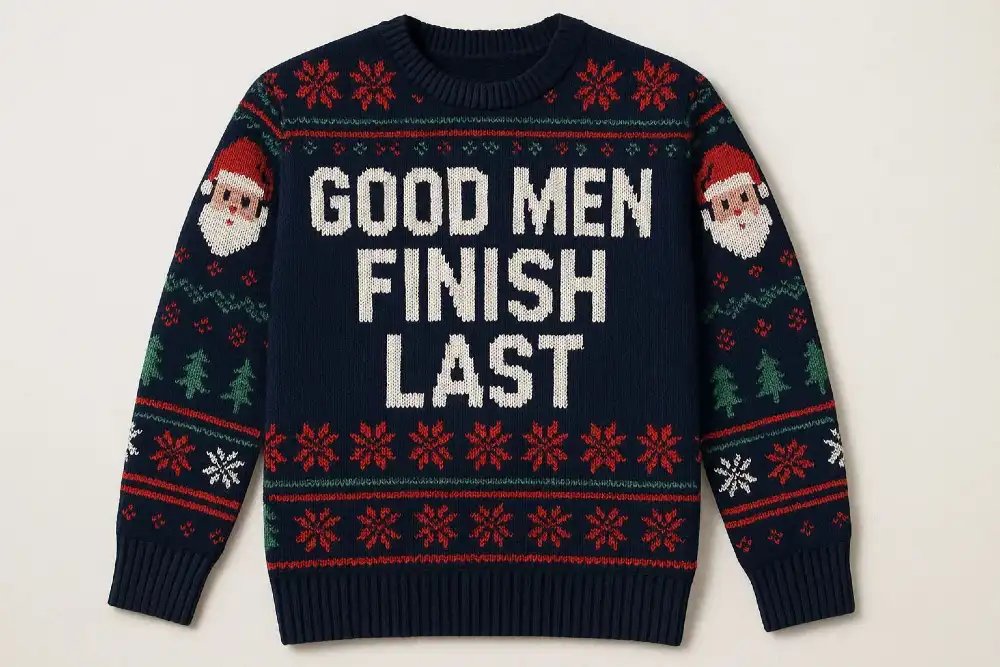
In love triangles, the man portrayed as the “wrong choice” typically has one primary flaw: he’s normal, responsible, and emotionally available. He has a steady job, treats the woman well, and offers reliability. Meanwhile, the “right choice”—the one audiences are supposed to root for—is often emotionally volatile, financially unstable, or outright dangerous.
Classic Examples of This Dynamic:
The Notebook: Allie chooses Noah, the impulsive and emotionally turbulent option, over Lon, her secure and respectable fiancé. The message? Stability equals boredom, while true love must be obsessive and chaotic.
Titanic: Jack wins over Cal not because he offers anything substantial, but because he represents adventure and lives “authentically”—which essentially means living like a teenager with no responsibilities or ability to provide safety.
Twilight: Edward Cullen is literally dangerous, obsessive, and emotionally tortured—and that’s precisely what makes him desirable. Jacob, who is warm and grounded, gets rejected because “safe is boring.”
Beauty and the Beast: This story takes the concept even further by suggesting that love can transform rage and violence into virtue.
The Byronic Hero: A Literary Device That Became a Dating Standard
Williamson identifies this pattern as rooted in the “Byronic hero” archetype—a literary character type based on poet Lord Byron. These characters are:
- Emotionally isolated or unavailable
- Morally ambiguous or anti-heroic
- At odds with society or authority
- Haunted by tragic past trauma
- Attractive to women despite (or because of) their destructiveness
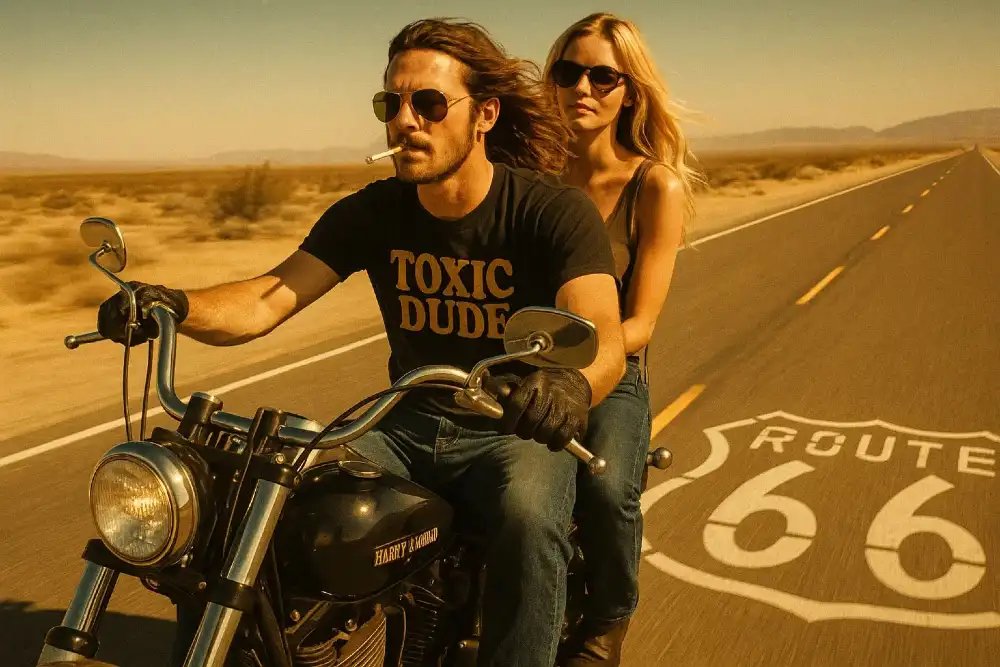
This archetype has evolved from literature into a real-world template for desirability, reinforced by media headlines like “Why Are Smart Girls Drawn to Bad Boys?” that normalize the pursuit of difficult, complicated men.
The Neuroscience Behind the Attraction to Toxic Men
Why Emotional Unavailability Feels Like Love
There’s a psychological mechanism at play here: our brains equate scarcity with value. While it’s true that valuable things are often hard to obtain, the reverse isn’t true—just because something is hard to get doesn’t make it valuable.
The Intermittent Reinforcement Trap
Williamson explains that the on-again, off-again attention from emotionally unavailable men triggers the same addictive response as slot machines or social media. This variable reward schedule creates a powerful dopamine response:
- When someone texts inconsistently, your brain registers them as important
- When they go cold, you interpret it as mystery and value
- When someone is consistently available and communicative, your brain questions “what’s wrong with them?”
This isn’t love—it’s addiction masquerading as romantic spark.

The Real-World Consequences: How This Affects Modern Dating
This cultural programming has created a generation where:
- Dysfunction becomes normalized as part of the “passionate” relationship experience
- Attraction gets rewired around trauma rather than compatibility
- Emotionally mature men get sidelined in favor of those who provide dopamine hits
- Women experience burnout thinking it’s the necessary price for passion
The Male Perspective: A Catch-22 for Good Men
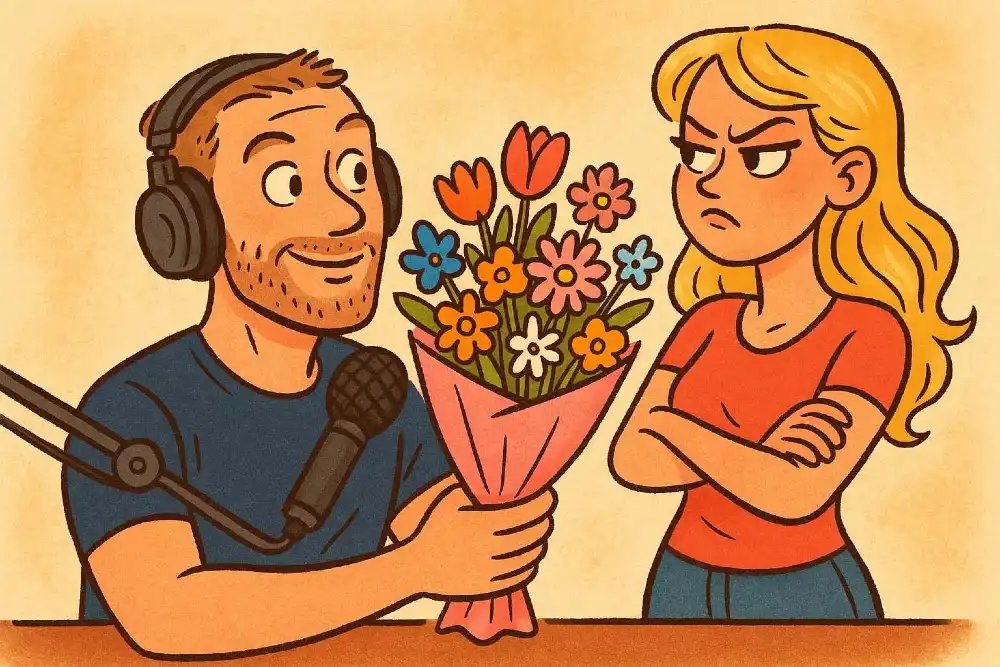
Williamson shares a telling comment from a man navigating modern dating: “I’m trapped in a generation where I don’t know whether to buy her flowers or ignore her to get her to like me.”
Research from Roy Baumeister suggests that men adapt their behavior to whatever women respond to. If emotionally unavailable behavior gets rewarded with attention and intimacy, men learn that being broken, flaky, and inconsistent is what works. As Baumeister states: “If women would stop sleeping with jerks, men would stop being jerks.”

What Healthy Attraction Actually Looks Like
Philosopher Alain de Botton offers clarity on what to seek instead: We should only contemplate relationships with people who are enthusiastic about us from the start—without persuasion, without chasing, without strategic games.
Signs of Genuine Interest (Not Toxic Attraction):
- Immediate and consistent enthusiasm about spending time with you
- Clear communication without making you guess their feelings
- Initiation of contact and plans without you having to pursue
- Public acknowledgment of your relationship
- Natural commitment that flows easily without convincing
Red Flags to Stop Ignoring:
- Telling you they like you but won’t be available for a month
- Mentioning they’re deciding between you and other options
- Never initiating physical affection or public displays of connection
- Requiring therapy before they can commit to you
- Making you feel “too intense” for wanting normal relationship attention
Breaking Free from the Bad Boy Pattern
The Bottom Line: If someone needs convincing to choose you, they’re not your person.
Williamson argues that we need to eject the “wavering, defended ones” from our lives immediately. Yes, that means rejecting the majority of people we meet. But the alternative—spending years trying to earn love from someone who should already be certain—wastes our most precious resource: time.
The emotionally unavailable may be “fascinating, lovely looking, and about to change their mind in 15 and a half years,” but they’re ultimately just wasting your time.
The Path Forward: Choosing Differently
Day-to-day life is challenging enough without the added difficulty of convincing someone to commit to you. The only worthwhile partners are those who:
- Like you a lot already
- Never leave you wondering where they are or when they’ll reply
- Have commitment that flows so naturally that your energy can focus on building a life together, not proving your worth
This doesn’t mean settling—it means having standards.
Conclusion: Cultural Change Starts with Individual Choices
Is pop culture the only reason for dysfunction in modern dating? No. But is it a significant contributor? According to Williamson’s analysis, absolutely.
The good news? Once you understand the programming, you can choose differently. You can recognize when you’re confusing dopamine addiction for love. You can value emotional maturity over manufactured mystery. You can choose the person who shows up consistently over the one who keeps you guessing.
True passion doesn’t require suffering. Real love doesn’t need to be hard-earned. And the right person will never leave you questioning their interest.
The question isn’t “Why are women drawn to toxic men?”—it’s “Now that we understand the pattern, what are we going to choose instead?”
Key Takeaways:
- Pop culture has conditioned many women to view emotional unavailability as desirable
- The Byronic hero archetype has moved from fiction into real-world dating standards
- Intermittent reinforcement creates addiction, not authentic connection
- Healthy relationships start with mutual enthusiasm, not persuasion
- Breaking the pattern requires recognizing these cultural influences and choosing differently
Source: Where Are All The Good Men At?
Related posts:
 Understanding Why Men Are Walking Away From Modern Dating and Relationships and The Rise of MGTOW movement
 Who Is Chris Williamson? The Modern Wisdom Podcast Host Explained
 What Is Fleabagging In Modern Dating? When You Are Repeatedly Choosing The Wrong Type of Partner
 Is Having a Boyfriend Embarrassing Now? Rob Henderson’s Evolutionary Psychology Response to Vogue’s Controversial Question
 The Four Ways to Meet Women in 2026: A Modern Dating Strategy for Men