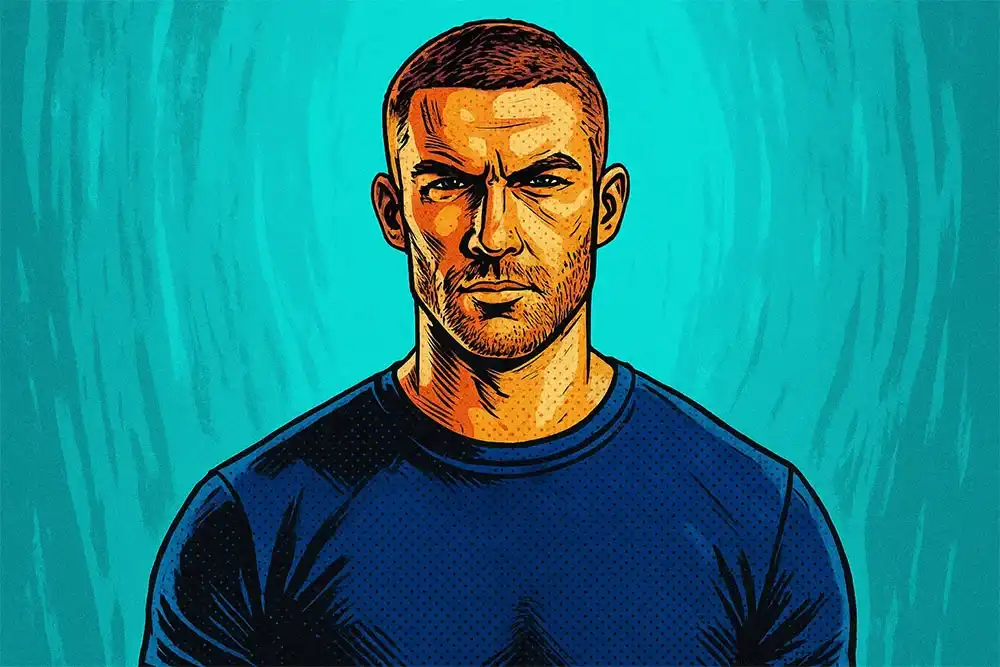
In an era where reality TV contestants typically fade into obscurity or become influencers hawking teeth whiteners, Chris Williamson took a radically different path. The 37-year-old English podcaster transformed an uncomfortable three-week stint on Love Island into one of the world’s most successful podcasts, Modern Wisdom, which has surpassed one billion downloads and features conversations with some of the planet’s most influential thinkers.
But Williamson’s journey from nightclub promoter to intellectual curator wasn’t a straight line. It was marked by existential crisis, radical self-examination, and an uncommon willingness to admit he’d been living someone else’s version of success.
The Party Boy Who Didn’t Belong
Born on February 23, 1988, in Stockton-on-Tees in North East England, Williamson showed early athletic promise as a cricketer, playing for the Durham Academy. He earned a degree in Business Management and a master’s in International Marketing from Newcastle University, but it was during his university years that he began building what would become a highly successful nightclub promotion business.
On the surface, Williamson seemed to have found his calling. He was the guy with his hair styled just right, standing at the front of the club, making sure everyone had a good time. He appeared on the dating show Take Me Out in 2012, then landed a spot on the inaugural series of Love Island in 2015 at age 27, describing himself as a model and nightclub promoter.
It should have been the perfect platform for someone in his position.
Instead, it became what he later described as a “mini existential crisis.” Surrounded by people who genuinely embodied the party lifestyle he’d been performing, Williamson realized he’d been living a lie. As he told the BBC, he was playing a role rather than being himself, surrounded by naturally extroverted people while he pretended to be someone he wasn’t.
The show’s producers wanted tabloid drama about who “mugged off” whom the night before. Williamson wanted to discuss the evolutionary underpinnings of male aggression. The disconnect was painful and clarifying.
He lasted 18 days before being voted off. But that discomfort planted a seed.
The Transformation of Chris Williamson: From Clubs to Conversations
The period following Love Island marked a turning point. Williamson began what he describes as intensive personal development work, questioning everything about the persona he’d constructed. The nightclub promoter who’d built his identity around being needed and visible started asking deeper questions about contribution, purpose, and authenticity.
In February 2018, he launched Modern Wisdom from his events company office, using a USB microphone and an iPhone propped on books. The first episode featured Stu Morton, an ex-Marine planning to row solo across the Atlantic. It was rough around the edges, but it represented something genuine—a chance to have the conversations he’d been craving on Love Island.
The early episodes focused on CrossFit enthusiasts and “life hacks” that mostly consisted of mobile app recommendations and the virtues of shoehorns. Charming in retrospect, but hardly the making of a media empire.
Yet Williamson possessed something crucial: a willingness to learn in public, a genuine curiosity about human nature, and an unusual combination of marketing savvy and intellectual humility.
The Modern Wisdom Phenomenon
What started as a passion project has become one of the fastest-growing podcasts globally. As of late 2025, Modern Wisdom has surpassed one billion downloads, released over 900 episodes, and interviewed more than 100 New York Times bestselling authors. The show releases three episodes weekly and maintains a YouTube channel with over 400 million views.
The guest list reads like a who’s who of contemporary thought leaders: Dr. Jordan Peterson, David Goggins, Naval Ravikant, Sam Harris, Dr. Andrew Huberman, Jocko Willink, Ryan Holiday, Matthew McConaughey, Alain de Botton, Alex Hormozi, Mark Manson, and dozens more. Williamson has even managed to interview former presidential candidate Bernie Sanders, actor Matthew McConaughey (in a replica Interstellar set, no less), and yes, a porn star, because intellectual curiosity shouldn’t have arbitrary boundaries.
Listener reviews consistently praise Williamson’s preparation and his ability to create space for guests to explore their ideas. One reviewer noted his skill in humanizing typically stiff interviewees, even getting the notoriously serious Dr. Peter Attia to laugh. Another described the show as filling a gap for people with intellectual interests their immediate social circles don’t share.
The podcast’s tagline—”Life is hard. This podcast will help”—captures its accessible ambition. Williamson positions Modern Wisdom not as academic discourse but as practical wisdom from exceptional minds, packaged for regular people trying to navigate modern life.
The Williamson Interview Style
What distinguishes Williamson from the crowded podcast landscape? Several elements emerge consistently in both praise and critique.
First, his preparation. Williamson approaches interviews like someone who’s genuinely read the material and thought about the implications. He’s not just running through a producer’s question list. He wants to understand not just what his guests think, but why they think it and what it means for listeners.
Second, his willingness to give guests room. Unlike interviewers who perform their own intelligence during conversations, Williamson steps back, creating space for deep exploration. He’s comfortable with silence. He doesn’t rush to fill every gap with commentary.
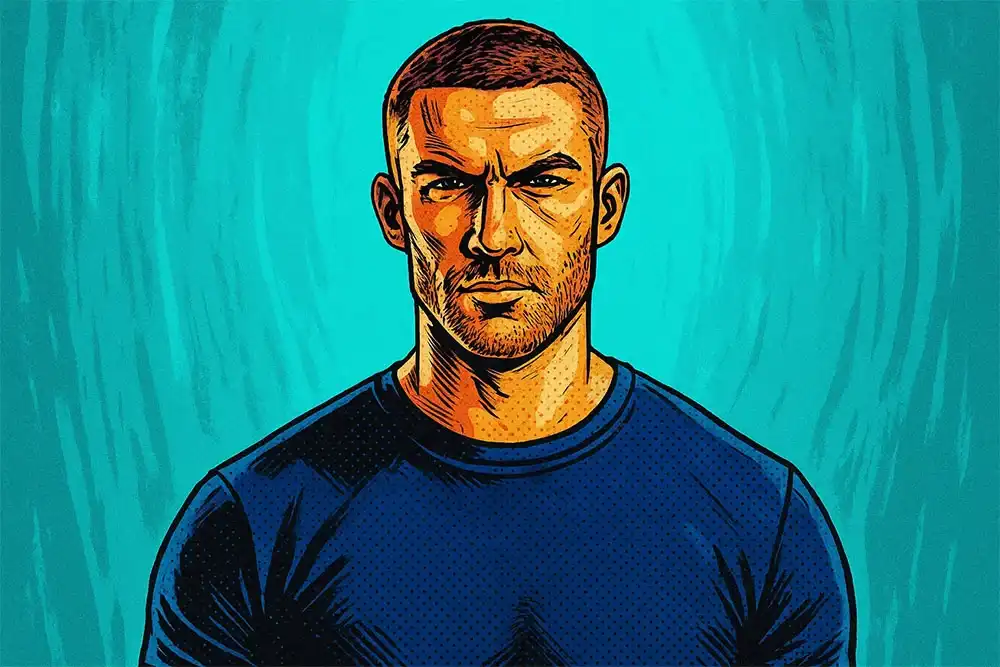
Third, his vulnerability. Williamson regularly discusses his own struggles with perfectionism, people-pleasing, and the ongoing work of becoming himself rather than playing a role. This authenticity creates permission for guests to drop their own armor.
Critics note that Williamson can be predictable after you’ve listened to enough episodes. His perspective on most topics becomes familiar. Some find his introspection excessive, triggering their own spiral of self-questioning. Others take issue with the gender imbalance among guests and the show’s appeal to young men struggling to find their footing.
The Content Universe
Modern Wisdom isn’t just a podcast—it’s evolved into a media ecosystem. Williamson has leveraged the show’s success into multiple platforms and products:
- YouTube Channel: With nearly 2 million subscribers, the video format has become central to the show’s growth strategy. Williamson credits YouTube’s recommendation algorithm as crucial for discovery.
- Neutonic: His own productivity drink, marketed toward the optimization-minded audience that follows the show.
- Book Recommendations: Williamson curates a free list of 100 books that have influenced his thinking, available on his website.
- Annual Review Template: A structured reflection tool for listeners to assess their year and plan the next.
The business model combines sponsorships, product lines, and what Williamson describes as an “infinite content engine”—recording long-form conversations, then slicing them into clips for YouTube, Instagram, and TikTok. It’s remarkably efficient for a lean operation.
The Numbers Behind the Success
The growth trajectory of Modern Wisdom has been remarkable. When Practical Ecommerce interviewed Williamson in 2022, the show had around 30 million downloads across 400 episodes. By 2024, that number exceeded 500 million. As of late 2025, it has surpassed one billion downloads.
The YouTube channel grew from around 20,000 subscribers in early 2020 to nearly 2 million by 2025. Individual episodes regularly garner millions of views. The Jordan Peterson interview accumulated over 4 million views. The Matthew McConaughey conversation marked the show’s 1,000th episode with appropriate fanfare.
Approximately 84% of the show’s Spotify listeners discovered it in 2023, indicating accelerating growth rather than plateau. The podcast consistently ranks among the top shows in the Society & Culture category across multiple platforms.
What Makes Williamson Different
In a podcast landscape crowded with interviewer-performers, Williamson occupies a particular niche. He’s not Joe Rogan—his approach is more structured, less improvisational, and focused more narrowly on self-improvement and understanding human nature. He’s not Tim Ferriss—less obsessed with productivity hacks and optimization techniques. He’s not Lex Fridman—less technically oriented, more accessible to general audiences.
What Williamson offers is something like intellectual companionship for people who want to think more deeply about their lives but don’t have philosophy degrees. He translates complex ideas from psychology, evolutionary biology, philosophy, and performance into practical wisdom without dumbing them down.
His greatest strength might be his greatest vulnerability: he’s genuinely trying to figure things out. He’s not selling certainty. He’s modeling curious inquiry, which resonates with an audience tired of gurus promising easy answers.
Several of Williamson’s own quotes capture his philosophy. He emphasizes that authenticity is competitive advantage: the weirder and more unique you are, the more you stand out. He advocates for honesty about your current limitations rather than pretending competence you haven’t earned. He warns against drowning yourself trying to save people who don’t want to change.
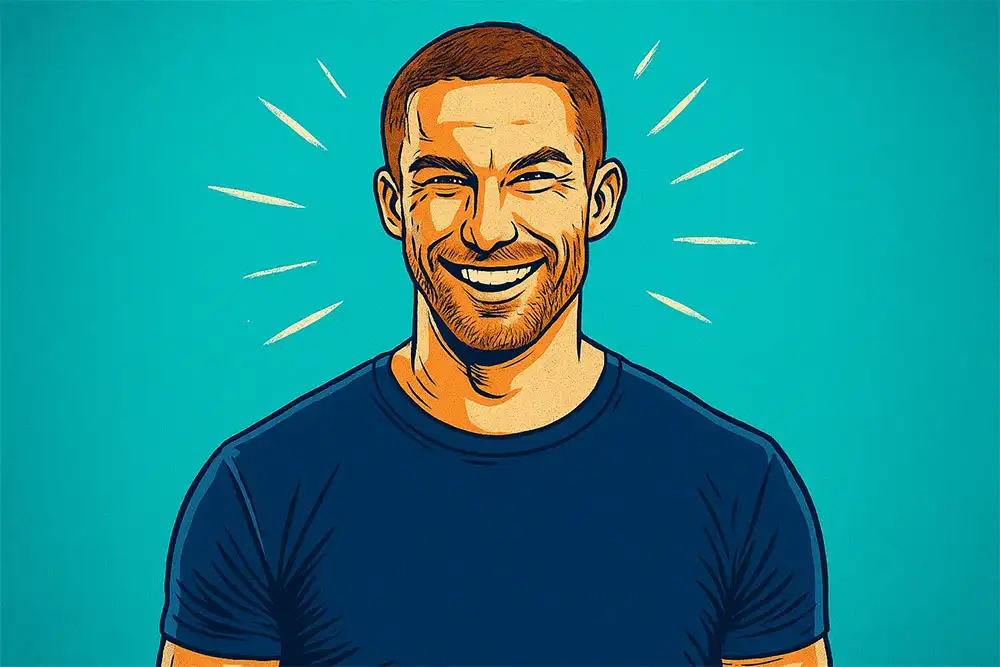
These aren’t revolutionary insights. But they’re delivered with earned authority by someone who’s publicly walked the path from performance to authenticity.
The Business of Modern Wisdom
Williamson has been refreshingly transparent about the business side of podcasting. In various interviews, he’s discussed the economics of scaling from passion project to profitable enterprise.
The show runs on a lean team. Williamson books guests roughly two months in advance, managing a delicate balance between landing prominent names and maintaining consistent release schedules. He’s hired an assistant, a video editor who receives better compensation as revenue grows, and someone managing social media.
The revenue model combines traditional sponsorships with newer opportunities. More episodes mean more ad inventory. Growing audience numbers justify premium rates. The Neutonic product line creates additional revenue streams beyond advertising.
Williamson isn’t shy about the work required. He emphasizes preparation—researching guests thoroughly, understanding their work, developing genuine questions. He spends significant time on YouTube optimization: compelling thumbnails, titles that open loops and create curiosity, edited intros that deliver immediate value.
The Critics Have Their Say
Professional reviewers and cultural commentators have offered mixed assessments. Some praise the show’s ambition and the quality of conversations. Others see it as symptom of a particular cultural moment that caters to male anxiety without adequately challenging limiting perspectives.
One review noted that while guests are often impressive, Williamson occasionally tries to shoehorn his own experiences into conversations where they don’t quite fit. Another described the show as serving men who feel lost, appreciating that it doesn’t fall completely into the “brosphere” category but noting it orbits nearby.
Praise tends to focus on specific episodes and guests. The interviews with Rory Sutherland, Alex Hormozi, and Dr. Andrew Huberman receive consistent acclaim. The philosophical conversations with people like Alain de Botton and Sam Harris are highlighted as genuinely worthwhile.
Criticism centers on predictability (once you’ve listened extensively, you know what Williamson will say about most topics), occasional intellectual shallowness when addressing complex political or social issues, and the show’s relationship with controversial figures who traffic in oversimplified narratives about gender, relationships, and society.
Looking Forward
At 37, with over 900 episodes released and a billion downloads achieved, Williamson faces the question all successful content creators eventually confront: what’s next?
The infrastructure is in place for continued growth. The brand is established. The audience is engaged. The guest booking presumably gets easier as the show’s profile rises. But sustained success requires evolution, not just repetition.
Will Modern Wisdom deepen its intellectual rigor? Will it broaden its perspective to include more diverse voices? Will Williamson develop his own ideas beyond curating others’ wisdom? Will the show maintain its accessible tone while pushing into more challenging territory?
Or will it continue doing what’s working, serving an audience hungry for exactly what it already provides?
The tension between growth and integrity, between serving your audience and challenging them, between accessible and rigorous—these are the interesting questions for any media property that achieves scale.
What’s certain is that Chris Williamson has earned his position through consistency, genuine curiosity, and willingness to learn in public. The nightclub promoter who felt like a fraud on Love Island found authenticity by admitting he didn’t have all the answers and inviting smarter people to help him figure things out.
That’s the real lesson of his journey. Not that reality TV leads to podcast success. Not that marketing expertise translates to media empires. But that when you stop performing and start genuinely seeking, people respond.
Sometimes the path from confusion to clarity requires admitting you’re lost. Williamson built a billion-download podcast by being honest about not having life figured out and systematically interviewing people who might offer pieces of the puzzle.
For an audience navigating the complexity of modern life without clear instruction manuals, that honesty might be the most valuable thing Modern Wisdom provides.
Related posts:
 Ryan Holiday’s “Wisdom Takes Work”: Why Philosophy Only Matters When It’s Practiced
 Practical Wisdom: How to Empty Your Cup and Fill It With Wisdom From Ryan Holiday
 What Is Love Bombing? How Intense Affection Can Be Used to Influence You
 Who is Ryan Holiday and His Impact on Philosophy
 Stoic Wisdom: How Hardship Builds Character (Wisdom Takes Work by Ryan Holiday)