
Self discipline without goals is effort without direction.
Goals without self discipline are wishes.
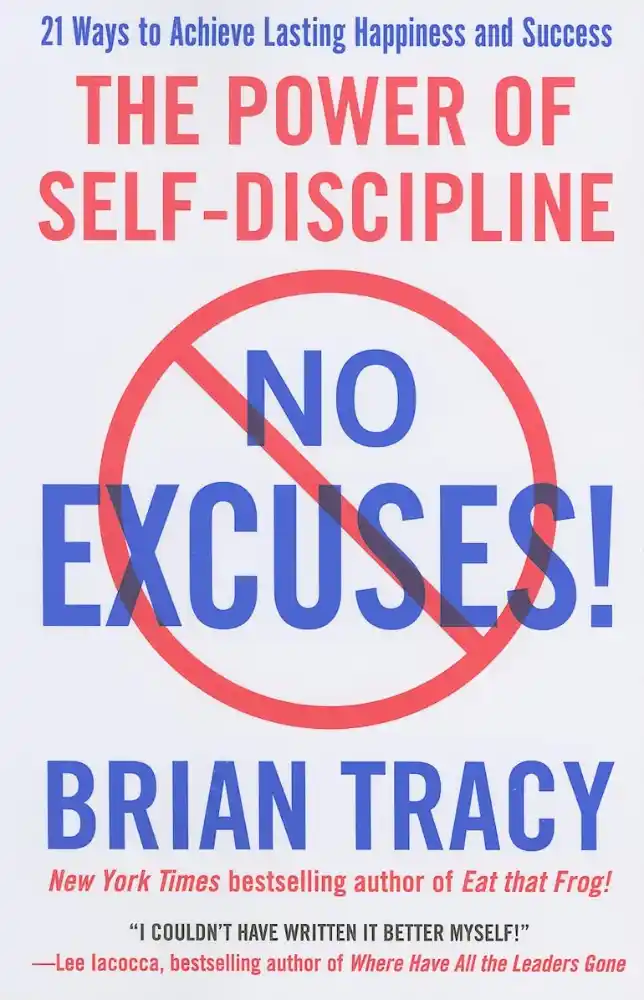
In No Excuses!: The Power of Self-Discipline, Brian Tracy makes it clear that the combination of self discipline and goals is what transforms ambition into measurable success.
He argues that a tiny percentage of people achieve extraordinary results not because they are more talented — but because they are more disciplined in setting, clarifying, and acting on their goals.
Clarity sharpens discipline.
Discipline activates clarity.
When the two work together, progress becomes predictable.
Why Most People Drift
Tracy often references a startling observation: only a small percentage of adults have clear, written goals.
Many people want success.
Few define it precisely.
Without defined goals:
- Focus scatters.
- Motivation fades.
- Progress stalls.
- Time is wasted.
Self discipline and goals form a structure. They give your effort a target.
You cannot hit a target you cannot see.
The 3% Principle
Tracy teaches what he calls the “3% factor.”
Only about 3% of adults have written goals.
That 3% consistently earns more and achieves more than the rest.
Why?
Because written goals clarify thinking.
Clear thinking strengthens discipline.
When goals are written:
- They become tangible.
- They become measurable.
- They become actionable.
Self discipline becomes easier when direction is precise.
The 7-Step Goal-Setting Method
Tracy outlines a simple but powerful seven-step formula for turning desire into achievement.
1. Decide Exactly What You Want
Vagueness weakens discipline. Specificity strengthens it.
Instead of saying, “I want more success,” define the exact outcome.
Income target.
Health metric.
Skill level.
Relationship standard.
Clarity activates focus.
2. Write It Down
This step alone separates dreamers from achievers.
A goal unwritten is a wish.
Writing engages intention. It moves the idea from imagination to commitment.
Self discipline and goals intersect here — because writing requires decision.
3. Set a Deadline
A goal without a deadline lacks urgency.
Deadlines create constructive pressure.
They transform “someday” into a timeline.
Discipline thrives under defined timelines.
4. Identify the Obstacles
Every meaningful goal has barriers.
Instead of being surprised by difficulty, anticipate it.
List the obstacles — internal and external.
Often, the biggest obstacle is lack of skill.
Identifying this directs your development.
5. Identify the Skills You Must Develop
Tracy emphasizes that success is skill-based.
If someone else has achieved your goal, then skills exist that make it possible.
Self discipline means committing to mastering those skills.
Growth replaces guesswork.
6. Identify the People Who Can Help You
No one succeeds alone.
Mentors, colleagues, partners, advisors — all accelerate progress.
Discipline includes humility.
Asking for guidance strengthens momentum.
7. Take Action Immediately
This is where most people hesitate.
Clarity without action decays.
Tracy insists: take at least one step immediately.
Even a small action builds psychological momentum.
Self discipline and goals become powerful only when execution begins.
The Habit of Daily Goal Review
Tracy recommends rewriting your major goals every day.
This may seem repetitive — but repetition strengthens focus.
Daily review:
- Reinforces priority.
- Sharpens awareness.
- Strengthens commitment.
- Filters distractions.
Over time, your subconscious aligns with your conscious intention.
Discipline becomes automatic because direction is clear.
Major Definite Purpose
Tracy often speaks about identifying your “Major Definite Purpose.”
This is the central organizing goal of your life at this stage.
It answers the question:
“If I could accomplish only one thing in the next few years, what would it be?”
Self discipline intensifies when anchored to a meaningful purpose.
Without purpose, discipline feels forced.
With purpose, discipline feels aligned.
Long-Term Thinking and Delayed Gratification
Self discipline and goals depend on long-term thinking.
Tracy consistently emphasizes delayed gratification.
Short-term comfort often conflicts with long-term ambition.
The disciplined person chooses:
- Preparation over procrastination.
- Investment over impulse.
- Effort over ease.
Every day presents a quiet choice between present pleasure and future progress.
Goals clarify which choice matters most.
Emotional Stability Through Clear Goals
Clear goals reduce anxiety.
When direction is defined:
- Decision-making improves.
- Distractions decrease.
- Overthinking reduces.
- Confidence grows.
Self discipline and goals create psychological order.
Uncertainty shrinks when purpose expands.
The Compounding Effect of Small Actions
Many people underestimate small daily progress.
But Tracy highlights a powerful truth:
Small improvements compound.
One disciplined hour per day equals hundreds of focused hours per year.
Daily goal review multiplies attention.
Daily effort multiplies skill.
Over five years, the gap between disciplined individuals and distracted ones becomes dramatic.
Common Goal-Setting Mistakes
Even motivated individuals struggle with goals.
Common mistakes include:
- Setting too many goals at once.
- Failing to write them down.
- Ignoring deadlines.
- Quitting when progress slows.
- Letting emotions dictate consistency.
Self discipline corrects these errors.
It stabilizes effort beyond mood.
Why Discipline Strengthens Identity
When you set a goal and follow through:
- Self-trust increases.
- Confidence stabilizes.
- Identity evolves.
You stop seeing yourself as someone who “tries.”
You begin seeing yourself as someone who executes.
That shift matters more than external rewards.
Self discipline and goals reshape how you see yourself.
And identity drives behavior.
A Practical 30-Day Goal Discipline Challenge
To integrate these principles:
- Write one clear major goal.
- Rewrite it daily.
- Take one action daily.
- Track progress weekly.
- Adjust strategy, not commitment.
At the end of 30 days, you will not only see measurable progress — you will feel stronger.
Discipline builds internal authority.
Frequently Asked Questions
1. Why are written goals so important?
Written goals clarify thinking and increase commitment. According to Brian Tracy, people who write their goals consistently outperform those who do not.
2. How does self discipline support goal achievement?
Self discipline ensures consistent action toward the goal, especially when motivation fluctuates. It sustains progress over time.
3. What is a Major Definite Purpose?
It is your primary organizing goal — the most important objective that guides your decisions and focus.
4. How often should I review my goals?
Daily review strengthens clarity and commitment. Tracy recommends rewriting major goals each day to reinforce focus.
5. What if I miss a deadline?
Adjust the timeline, analyze the obstacle, and continue. Persistence matters more than perfection.
Final Reflection
Self discipline and goals are not separate systems.
They are partners.
Goals provide direction.
Discipline provides motion.
Without goals, discipline wanders.
Without discipline, goals remain fantasies.
In No Excuses!, Brian Tracy offers a clear path:
Decide.
Write.
Plan.
Act.
Persist.
If you follow that structure consistently, achievement is not a matter of luck.
It becomes a matter of time.
Take the FULL FREE MINI COURSE on DISCIPLINE here
Related posts:
 Why Only 3% of People Write Down Goals—and How This Quietly Creates the Wealth Gap
 Self Discipline: The Complete Mini Course to Mastery, Success, and a Life Without Excuses Inspired by Brian Tracy & The Power Of Self-Discipline
 Anti-Goals: Why Knowing Where You Don’t Want to Go Is More Important Than Knowing Where You Do
 Finding Your Purpose With With Audacious: A Bold Guide to Building the Life and Career You Want and Deserve
 Self Discipline and Success: Why Winners Refuse Excuses