Self discipline and courage are deeply connected.
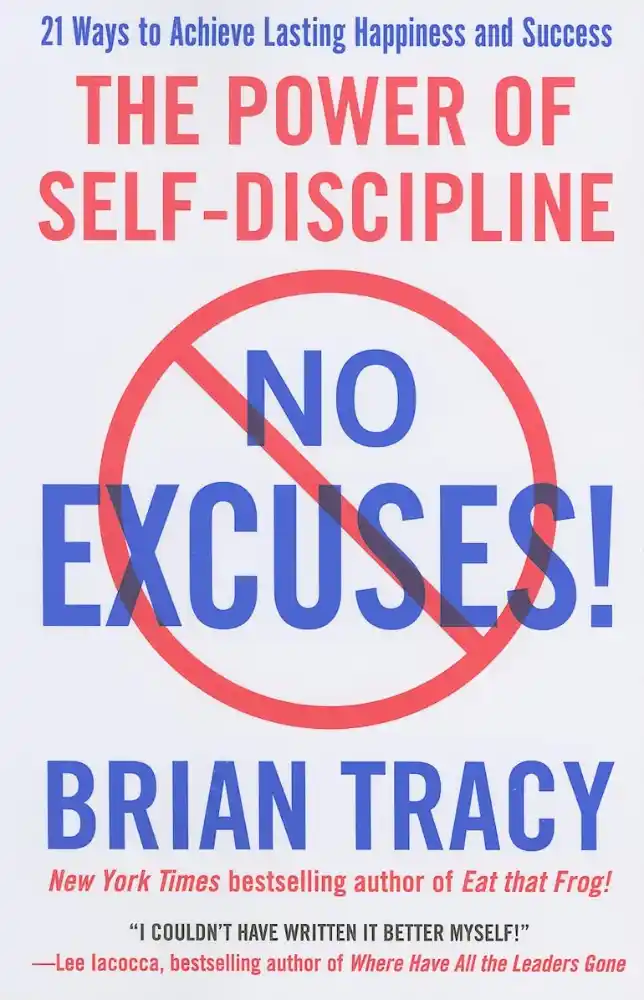
In No Excuses!: The Power of Self-Discipline, Brian Tracy explains that fear is natural — but surrendering to fear is optional. The disciplined individual does not eliminate fear. He moves forward despite it.
Courage is not an inherited trait.
It is a practiced behavior.
And that practice is built on self discipline.
If success requires growth, and growth requires discomfort, then courage becomes non-negotiable. The question is not whether fear will appear. It will.
The question is whether you will act anyway.
Fear Is Learned — and So Is Courage
Tracy emphasizes that most fears are learned over time.
Fear of failure.
Fear of rejection.
Fear of criticism.
Fear of loss.
Because fear is learned, it can be unlearned.
Self discipline and courage work together here. Discipline gives you the structure to confront fear intentionally instead of reacting to it.
When you consistently take action in the presence of fear, something shifts:
- Fear weakens.
- Confidence strengthens.
- Identity evolves.
Courage grows through repetition.
Move Toward the Fear
One of Tracy’s direct principles is simple:
Move toward the thing you fear.
Avoidance strengthens fear.
Confrontation reduces it.
This does not mean recklessness. It means deliberate action.
If you fear public speaking — speak more often.
If you fear difficult conversations — have them sooner.
If you fear rejection — make the call.
Self discipline and courage intersect in that decision to move forward instead of retreat.
Each action reduces psychological resistance.
The “Act As If” Principle
Tracy introduces a practical strategy:
Act as if you were already confident.
Behavior influences emotion.
When you:
- Stand upright,
- Speak clearly,
- Maintain eye contact,
- Take initiative,
your nervous system adapts.
Self discipline makes this possible because you act intentionally rather than emotionally.
Confidence often follows behavior — not the other way around.
The Disaster Report Technique
Fear often exaggerates outcomes.
Tracy recommends analyzing the worst-case scenario logically.
Ask yourself:
- What is the worst that could happen?
- How likely is it?
- How would I handle it if it occurred?
This disciplined thinking reduces irrational fear.
Most fears shrink under examination.
Self discipline and courage strengthen when you replace vague anxiety with structured reasoning.
Courage in Career Growth
Career advancement almost always requires courage.
- Asking for a promotion.
- Changing industries.
- Launching a business.
- Presenting new ideas.
- Taking on leadership.
Fear whispers hesitation.
Self discipline says: prepare thoroughly and act.
Preparation reduces uncertainty.
Action builds experience.
Experience builds confidence.
Courage becomes practical rather than emotional.
Emotional Courage in Relationships
Courage is not limited to professional life.
It appears in relationships as well:
- Expressing vulnerability.
- Setting boundaries.
- Apologizing sincerely.
- Having difficult conversations.
Self discipline and courage mean choosing honesty over avoidance.
Avoidance preserves comfort temporarily.
Honesty builds trust long-term.
Emotional courage strengthens connection.
Persistence Is Courage Sustained
Courage is not only about starting.
It is about continuing.
Obstacles test commitment.
Setbacks challenge confidence.
Tracy connects courage to persistence. The disciplined individual refuses to quit simply because something is uncomfortable.
Courage applied repeatedly becomes resilience.
Resilience strengthens identity.
And identity shapes future action.
Long-Term Thinking Reduces Fear
Short-term thinking amplifies fear.
Long-term thinking stabilizes it.
If you evaluate decisions only by immediate discomfort, fear dominates.
If you evaluate decisions by long-term growth, discomfort becomes tolerable.
Self discipline and courage rely on long-term perspective.
Temporary embarrassment is small compared to lifelong regret.
Short-term discomfort is minor compared to long-term opportunity.
Perspective reduces fear’s intensity.
The Confidence Loop
Self discipline and courage create a reinforcing cycle:
- You take action despite fear.
- You survive the experience.
- Confidence increases.
- Future action becomes easier.
This loop strengthens over time.
Confidence is not built in isolation. It is built through repeated courageous action.
Discipline initiates the first step.
Fear of Failure vs. Fear of Regret
Tracy encourages reframing fear.
Instead of fearing failure, consider fearing regret.
Failure is temporary and instructive.
Regret lingers.
Self discipline and courage favor growth over safety.
When you choose action:
- You gain experience.
- You gain clarity.
- You gain resilience.
Even unsuccessful attempts build strength.
Courage and Self-Esteem
Each courageous action reinforces self-trust.
You begin to see yourself as capable.
Self discipline strengthens self-esteem because you respect yourself for acting with integrity and bravery.
Over time:
- Anxiety decreases.
- Initiative increases.
- Confidence stabilizes.
Courage becomes part of identity rather than a forced effort.
Practical 30-Day Courage Challenge
To strengthen self discipline and courage:
- Identify one fear limiting your growth.
- Break it into small, manageable actions.
- Take one action daily for 30 days.
- Reflect weekly on progress.
- Track emotional change over time.
Small exposures reduce resistance.
Consistency builds confidence.
After 30 days, fear’s intensity often decreases dramatically.

Frequently Asked Questions
1. How are self discipline and courage connected?
Self discipline enables you to act despite fear. Courage grows through repeated disciplined action.
2. Can fear ever disappear completely?
Fear may never vanish entirely, but it becomes manageable through exposure and rational evaluation.
3. What is the fastest way to build courage?
Take small, consistent actions toward what you fear. Action weakens fear over time.
4. Why do successful people appear fearless?
They are not fearless. They are disciplined in acting despite fear.
5. How does courage affect confidence?
Each courageous action strengthens self-trust, which increases stable confidence.
Final Reflection
Self discipline and courage are not loud qualities.
They are steady ones.
In No Excuses!, Brian Tracy makes it clear: success requires confronting discomfort directly.
Fear will appear.
Doubt will surface.
Hesitation will whisper.
Discipline answers with action.
Move toward the fear.
Prepare thoroughly.
Act as if.
Persist through discomfort.
Courage is not a personality trait.
It is a disciplined habit.
And with practice, it becomes part of who you are.
Take the FULL FREE MINI COURSE on DISCIPLINE here
Related posts:
 Self Discipline and Success: Why Winners Refuse Excuses
 Self Discipline: The Complete Mini Course to Mastery, Success, and a Life Without Excuses Inspired by Brian Tracy & The Power Of Self-Discipline
 Self Discipline and Character: Why Integrity Wins Long Term
 Self Discipline and Leadership: The Foundation of Real Authority
 Self Discipline at Work: Double Your Productivity, Income and Career Success