Self discipline shapes behavior.
Character shapes destiny.
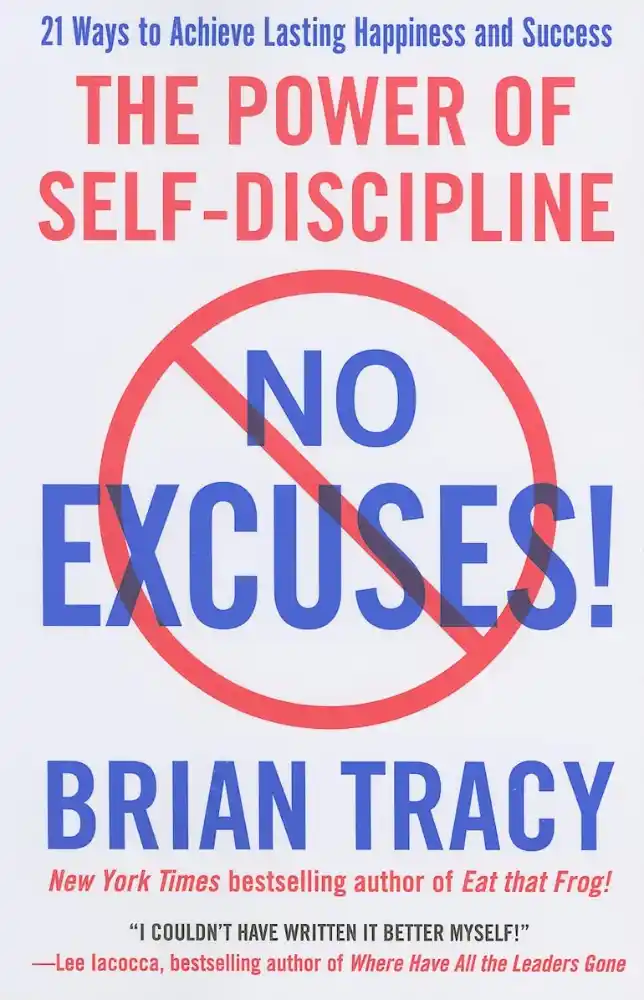
In No Excuses!: The Power of Self-Discipline, Brian Tracy argues that character is not an abstract virtue. It is the natural result of disciplined thinking and disciplined action repeated over time.
You do not build character through intention.
You build it through consistent behavior aligned with principle.
And the deeper truth Tracy makes clear is this:
Self discipline and character are inseparable.
If discipline governs what you do, character governs who you become.
What Is Character?
Character is who you are when no one is watching.
It is your internal standard — the invisible code guiding your decisions.
Tracy describes integrity as the highest value in business and life. Without it, success is unstable. With it, success compounds.
Self discipline and character intersect in the gap between impulse and action.
When you choose principle over convenience, you strengthen character.
When you compromise repeatedly, you weaken it.
Character is built through small decisions made daily.
Integrity: The Core of Character
Integrity means alignment.
Your thoughts, words, and actions match.
You keep promises — especially to yourself.
You follow through — especially when it is inconvenient.
Tracy emphasizes that high levels of self discipline naturally create integrity because disciplined individuals do what they commit to doing.
Integrity builds:
- Trust from others.
- Respect from colleagues.
- Confidence within yourself.
- Long-term opportunity.
Reputation is built on repeated disciplined behavior.
The Three Parts of Self-Concept
Tracy explains that character and self-esteem are connected through three components of self-concept:
- Self-Ideal – The person you aspire to be.
- Self-Image – The way you see yourself right now.
- Self-Esteem – How much you like and respect yourself.
Self discipline strengthens all three.
When your behavior aligns with your self-ideal, your self-image improves.
When your self-image improves, self-esteem rises.
Character, therefore, is not just moral — it is psychological.
Discipline Under Pressure
Anyone can appear disciplined when conditions are easy.
The real test of self discipline and character appears under pressure:
- When you are tired.
- When you are discouraged.
- When you are tempted.
- When no one would notice if you compromised.
Pressure reveals character.
Tracy emphasizes that the disciplined person chooses long-term integrity over short-term advantage.
This is not always dramatic. Often it is quiet.
You decline a shortcut.
You honor a deadline.
You admit a mistake.
You choose honesty when dishonesty would benefit you.
Character grows in these small, unseen moments.
Character in Business and Career
In professional life, self discipline and character create opportunity.
Employers and clients look for one trait above all others: reliability.
Reliability is discipline applied consistently.
A disciplined professional:
- Arrives prepared.
- Delivers on promises.
- Accepts accountability.
- Maintains standards even when unsupervised.
Over time, this builds reputation.
Reputation attracts responsibility.
Responsibility attracts opportunity.
Opportunity increases income.
Character compounds economically.
Why Character Is a Long-Term Asset
Shortcuts can produce temporary gains.
But Tracy warns that shortcuts eventually erode trust.
Self discipline and character protect long-term success because they are rooted in principle rather than impulse.
Integrity may not produce immediate rewards.
But it produces lasting ones.
Trust once broken is difficult to restore.
Trust built over years becomes an asset.
Character is the foundation of sustainable success.
The Internal Reward of Character
Beyond career and reputation, character provides internal peace.
When your actions align with your values:
- Anxiety decreases.
- Regret fades.
- Self-trust increases.
- Emotional stability strengthens.
You do not waste energy defending your decisions.
You do not rehearse excuses.
You stand firm because your behavior is aligned with your principles.
Self discipline and character create psychological order.
Resisting the Path of Least Resistance
Tracy often describes the “Path of Least Resistance.”
Human nature gravitates toward what is easy.
Character demands conscious resistance to that pull.
Easy choices:
- Cutting corners.
- Avoiding responsibility.
- Blaming others.
- Breaking small commitments.
Disciplined choices:
- Following through.
- Taking ownership.
- Doing extra preparation.
- Maintaining standards consistently.
Character strengthens each time you resist convenience in favor of principle.
Courage and Character
Character requires courage.
Not loud, dramatic courage — but quiet moral courage.
The courage to:
- Admit mistakes.
- Stand alone if necessary.
- Refuse unethical shortcuts.
- Uphold standards despite pressure.
Self discipline strengthens courage because it trains you to act based on values rather than mood.
And courage strengthens character because it protects integrity.
How Character Builds Leadership
Leadership begins with trust.
And trust is rooted in character.
People follow those who:
- Keep commitments.
- Speak honestly.
- Remain consistent.
- Take responsibility.
Self discipline and character make leadership sustainable.
Without character, authority becomes fragile.
With character, authority becomes natural.
Influence flows from integrity.
Daily Practices to Strengthen Character
Tracy’s philosophy is practical. Character is built through daily discipline:
- Keep small promises to yourself.
- Arrive early.
- Finish tasks completely.
- Speak truthfully.
- Admit mistakes quickly.
- Choose long-term respect over short-term comfort.
These actions may seem ordinary.
But repeated consistently, they reshape identity.
Character grows through repetition, not intensity.
Character and Delayed Gratification
Integrity often requires delayed gratification.
You sacrifice immediate gain to preserve long-term reputation.
You sacrifice temporary comfort to protect principle.
Self discipline makes this possible.
Without discipline, temptation wins.
With discipline, principle wins.
Over time, these decisions accumulate into character strength.
Identity: Becoming the Person You Respect
Perhaps the deepest reward of self discipline and character is self-respect.
When your actions match your standards, you like yourself more.
Self-esteem does not grow from applause.
It grows from alignment.
You become the person you intended to be.
And that internal congruence creates confidence that cannot be faked.

Frequently Asked Questions
1. How does self discipline build character?
Self discipline ensures consistent behavior aligned with values. Repeated disciplined choices strengthen integrity and internal standards.
2. Why is integrity important for success?
Integrity builds trust, and trust creates opportunity. Long-term success depends more on reliability than talent alone.
3. Can character be developed later in life?
Yes. Character is formed through repeated decisions. Each disciplined action strengthens it regardless of age.
4. What happens when discipline weakens?
Compromises accumulate. Small broken promises erode self-trust and reputation over time.
5. Is character more important than skill?
Skill creates opportunity. Character sustains it. Both matter, but character determines longevity.
Final Reflection
Self discipline and character are quiet forces.
They do not demand attention.
They do not seek applause.
But they shape destiny.
In No Excuses!, Brian Tracy makes a clear point: success built without character eventually collapses. Success built on discipline and integrity endures.
Every day presents small choices.
Convenience or principle.
Impulse or alignment.
Short-term gain or long-term respect.
Choose discipline.
Character will follow.
And with it, strength that lasts.
Take the FULL FREE MINI COURSE on DISCIPLINE here
Related posts:
 Self Discipline and Success: Why Winners Refuse Excuses
 Self Discipline and Courage: Conquering Fear Through Action
 Self Discipline: The Complete Mini Course to Mastery, Success, and a Life Without Excuses Inspired by Brian Tracy & The Power Of Self-Discipline
 Self Discipline and Leadership: The Foundation of Real Authority
 Self Discipline at Work: Double Your Productivity, Income and Career Success