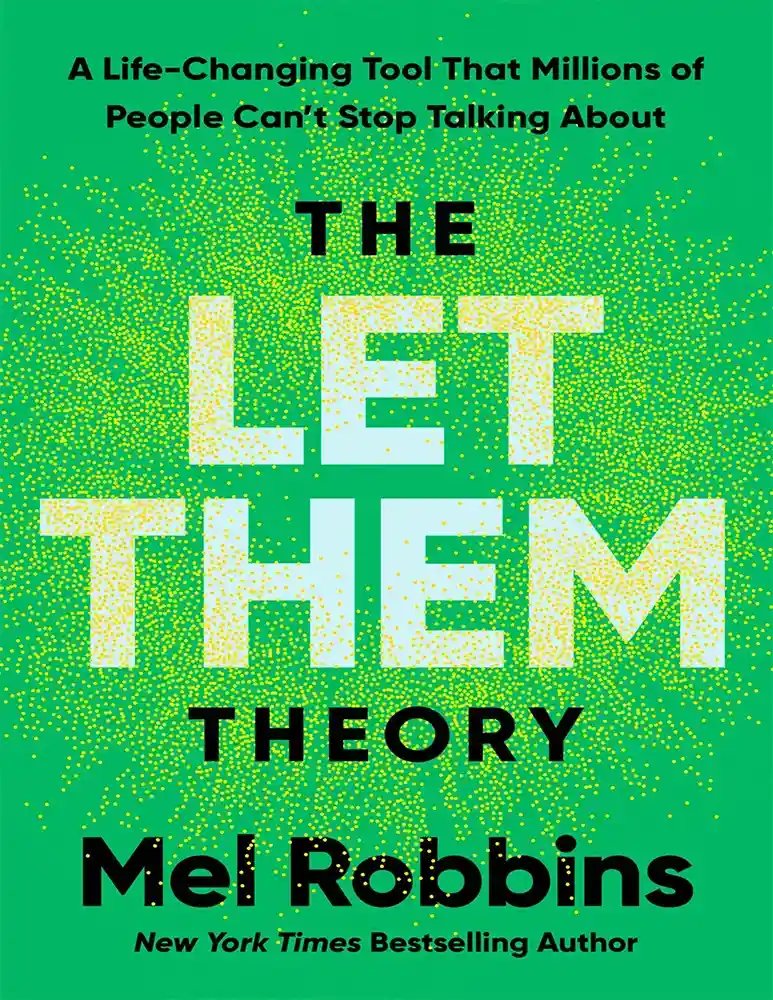
One of the most crippling barriers to living authentically and pursuing your dreams is the fear of what other people think. This fear keeps talented people silent in meetings, prevents artists from sharing their work, stops entrepreneurs from launching businesses, and causes countless individuals to shrink themselves to fit others’ expectations. In “The Let Them Theory,” Mel Robbins tackles this universal struggle with a refreshingly direct approach.
The Hidden Cost of Seeking Approval
Consider how much energy you spend managing others’ perceptions of you. You carefully curate what you share on social media. You edit your words in conversations to avoid potential judgment. You make major life decisions—career choices, relationships, appearance, hobbies—based partly or primarily on anticipated opinions from family, friends, colleagues, or strangers.
This approval-seeking behavior feels protective. You believe that if you can just get everyone to think well of you, you’ll be safe, successful, and happy. But Robbins reveals the uncomfortable truth: this strategy doesn’t work. In fact, it guarantees you’ll never feel truly secure because you’ve made your worth dependent on something you cannot control.
Think about the opportunities you’ve missed because of this fear. The job you didn’t apply for because you worried about looking presumptuous. The creative project you never started because you feared criticism. The relationship you didn’t pursue because you wondered what others would say. The authentic style you didn’t embrace because you worried about judgment.
As Robbins asks in her book: What would you have achieved if you had spent the last decade freed from worry about others’ opinions? Who would you be? What risks would you have taken?
Why We Fear Others’ Opinions
The fear of judgment is deeply rooted in human psychology. For most of human history, social exclusion meant death. Our ancestors survived because they belonged to groups that provided protection, resources, and support. Being rejected by the tribe was literally life-threatening.
This evolutionary programming remains active in your brain today. When you anticipate social judgment or rejection, your brain activates the same threat response as physical danger. Cortisol floods your system. Your heart rate increases. Your thinking narrows to threat management.
The problem is that modern judgment rarely poses actual danger. Someone thinking negatively about your career choice doesn’t threaten your survival. A family member disapproving of your relationship doesn’t endanger your life. Online criticism doesn’t physically harm you.
Yet your nervous system responds as if these social threats are life-or-death situations. This mismatch between ancient programming and modern reality creates enormous unnecessary suffering.
The Approval Trap
Robbins identifies what she calls “the approval trap”—the belief that if you can just manage what everyone thinks of you, you’ll finally feel secure and worthy. This trap has several problems:
First, it’s impossible. You cannot control others’ opinions. No matter how carefully you manage your image or behavior, some people will like you and others won’t. Some will admire choices you make while others criticize those same choices. There’s no way to win universal approval.
Second, it’s exhausting. Constantly monitoring and managing others’ potential judgments consumes enormous mental and emotional energy. This energy drain leaves less available for actually living your life, pursuing your goals, or nurturing meaningful relationships.
Third, it’s counterproductive. When you make decisions based primarily on others’ anticipated opinions, you often choose paths that don’t align with your authentic needs, values, or desires. You end up living someone else’s idea of a good life rather than your own.
Finally, it doesn’t work. Even when you do gain approval, it provides only temporary satisfaction. The relief quickly fades, and you find yourself seeking the next hit of validation. You never reach a point where you feel permanently secure because you’ve made your security dependent on external factors beyond your control.
Let Them Think Whatever They Think
The Let Them Theory cuts through this trap with radical simplicity: Let Them think whatever they think. Let Them judge your choices. Let Them disapprove of your decisions. Let Them criticize your ideas. Let Them question your path.
This isn’t about not caring what anyone thinks—it’s about recognizing that their thoughts are not yours to control. Someone’s opinion about you exists entirely in their mind, shaped by their experiences, values, insecurities, and perspectives. It has nothing to do with your actual worth or the validity of your choices.
When someone judges you negatively, they’re revealing their lens, not your reality. Let Them have their perspective. It doesn’t change who you are or what you’re capable of achieving.
Robbins shares research showing that high achievers consistently demonstrate this ability to separate others’ opinions from their own self-assessment. They consider feedback and input, but they don’t allow others’ judgments to determine their choices or paralyze their action.
The Superiority of “Let Them”
An interesting aspect of the Let Them Theory is what Robbins calls “the superiority effect.” When you say “Let Them,” you create psychological distance from the judgment or opinion. You rise above it, viewing the situation from a higher vantage point.
This isn’t about feeling superior to other people—it’s about separating yourself from the emotional pull of their opinions. Instead of being swept up in hurt feelings, defensiveness, or self-doubt, you observe the situation more objectively. This mental space allows you to respond thoughtfully rather than react emotionally.
For example, when someone criticizes your decision to change careers, instead of immediately doubting yourself or defending your choice, you pause and say: “Let Them think I’m making a mistake.” From this elevated perspective, you can assess whether their concern has merit or simply reflects their own fears and limitations.
Let Me Live According to My Values
The second part of the theory—Let Me—is crucial for transforming fear into empowerment. After releasing concern about others’ opinions, you redirect your energy toward what actually matters: living according to your own values, needs, and vision.
Let Me make choices that align with who I am. Let Me pursue goals that excite me, even if others don’t understand. Let Me take risks that feel right for my path. Let Me present myself authentically rather than carefully managing others’ perceptions. Let Me live my life for myself, not for an imagined audience.
This shift moves you from defensive, approval-seeking behavior to proactive, values-driven action. You’re no longer trying to prevent negative judgment—you’re actively creating the life you want.
Practical Strategies for Overcoming Fear of Judgment
Robbins provides concrete techniques for applying the theory when fear of others’ opinions threatens to hold you back:
Identify the Fear
When you hesitate to take action, ask yourself: What am I actually afraid of? Often, the fear isn’t about the action itself but about how others might judge it. Naming this fear explicitly helps you recognize you’re trying to control the uncontrollable.
Use the Five-Second Rule
When you know what you need to do but fear of judgment holds you back, count backward—5-4-3-2-1—and take action before your brain can talk you out of it. This technique, also from Robbins’ previous work, helps you override the paralysis that fear creates.
Challenge the Catastrophe
Fear of judgment often involves catastrophic thinking: “If I share this idea and people think it’s stupid, my career will be ruined.” Challenge this mental exaggeration. What’s the realistic worst-case scenario? Almost always, it’s far less severe than your fear suggests.
Focus on Your One Percent
Robbins encourages focusing on the people whose opinions actually matter—the one percent who truly know you, support your growth, and offer perspective rooted in care rather than criticism. These voices deserve consideration. Everyone else? Let Them think what they think.
Reframe Criticism as Data
When you receive negative feedback, treat it as data rather than truth. Consider whether the criticism has merit that could help you improve. If yes, integrate it. If no, Let Them have their opinion and move forward with your plan.
The Relationship Between Visibility and Judgment
An important reality Robbins addresses: the more visible you become, the more judgment you’ll face. Pursuing your goals, sharing your work, and living authentically requires being seen. And being seen means some people will inevitably judge you negatively.
This reality stops many people before they start. They reason: “If doing what I want means facing criticism, I’ll just play it safe.” But playing it small doesn’t eliminate judgment—it just ensures you face criticism for being invisible or unremarkable instead of for being bold.
The Let Them Theory helps you accept that judgment is inevitable regardless of your choices. You might as well face judgment while pursuing what matters to you rather than while living a constrained life designed to please others.
When Opinions Do Matter
Robbins clarifies that the Let Them Theory doesn’t mean dismissing all feedback. Constructive input from people who understand your goals and want your success can be valuable. The theory helps you distinguish between opinions deserving consideration and judgments that simply reflect someone else’s limitations.
Ask yourself: Does this person have relevant expertise or experience? Do they understand what I’m trying to achieve? Is their feedback specific and actionable, or vague and critical? Are they invested in my success or projecting their own fears?
Let Them have their opinion, then consciously decide whether it merits integration into your decision-making. You remain the ultimate authority on your own life.
The Freedom on the Other Side
People who successfully overcome fear of others’ opinions describe a profound sense of liberation. They make decisions more quickly because they’re not polling everyone for approval. They pursue opportunities confidently because potential judgment no longer paralyzes them. They present themselves authentically because they’re not exhausting themselves managing perceptions.
This freedom creates space for what really matters: meaningful work, authentic relationships, creative expression, and personal growth. The energy previously consumed by approval-seeking becomes available for building the life you actually want.
Your Life Is Too Short for This
Robbins makes a compelling argument: your life is too short to spend it managing others’ opinions. Every day you delay pursuing your dreams because of potential judgment is a day you’ll never get back. Every opportunity you pass up because of fear of criticism is gone forever.
The people whose judgment you fear? They’re living their own lives, pursuing their own goals, and mostly thinking about themselves. They’re not sitting around judging you nearly as much as you imagine. And if they are? That reveals their issues, not yours.
The Bottom Line on Fear of Others’ Opinions
Fear of judgment keeps you small, silent, and stuck. It prevents you from pursuing opportunities, expressing yourself authentically, and living according to your values. This fear is rooted in ancient survival programming that no longer serves you in modern life.
The Let Them Theory provides a simple but powerful antidote. Let Them think whatever they think. Their opinions exist in their minds, shaped by their experiences and perspectives. Those opinions don’t determine your worth, don’t predict your success, and don’t have power over your choices—unless you give them that power.
Instead of exhausting yourself seeking universal approval, focus on living authentically. Let Me make choices aligned with my values. Let Me pursue goals that excite me. Let Me present myself honestly rather than carefully managing perceptions.
Mel Robbins offers not just permission but encouragement to stop living for others’ approval. The life you want—the one you’re meant to live—requires overcoming this fear. The Let Them Theory gives you a practical tool for doing exactly that, one released expectation at a time.
Related posts:
 How to Deal With Difficult People: The Let Them Theory’s Approach with Mel Robbins
 Personal Responsibility: The Skill That Determines Freedom, Power, and Success
 How to Stop Comparing Yourself to Others: How The Let Them Theory Breaks the Comparison Trap
 Stress Management Skills: Stop Stressing About Things You Can’t Control with Mel Robbins’ Revolutionary Approach
 The Let Them Theory by Mel Robbins: 25 Powerful Takeaways Explained