
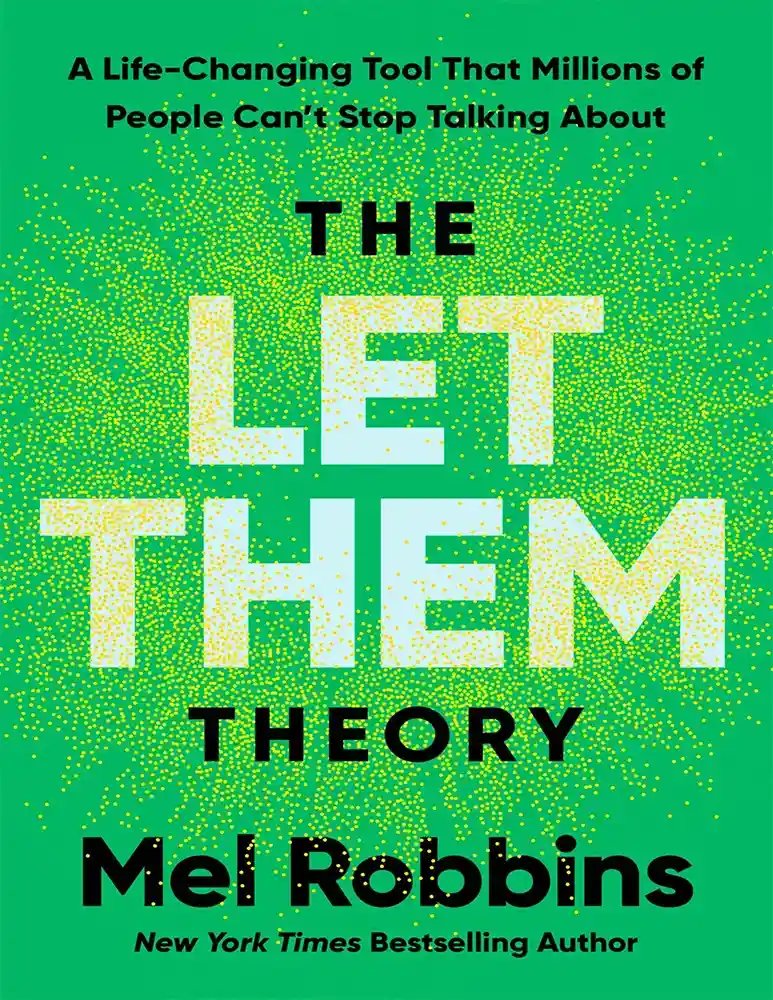
In the age of social media, comparison has reached epidemic levels. We scroll through curated highlight reels of others’ lives while intimately knowing our own struggles and failures. This constant comparison creates feelings of inadequacy, failure, and discontent that poison our happiness and motivation. In “The Let Them Theory,” Mel Robbins tackles this modern challenge with insights that can transform comparison from a source of pain into a tool for growth.
The Comparison Crisis
Humans have always compared themselves to others—it’s built into our psychology as a way to assess our standing and capabilities. But social media has amplified this natural tendency to destructive levels. You’re no longer comparing yourself to the few dozen people in your immediate community. You’re comparing yourself to millions of carefully curated online personas showcasing their best moments, achievements, and possessions.
The result? An overwhelming sense that everyone else is doing better, achieving more, looking better, traveling more, earning more, and living happier lives than you. This perception, though distorted by social media’s inherent filtering, creates real psychological pain.
Robbins explains that chronic comparison leads to what psychologists call “comparison despair”—a state where you feel perpetually behind, inadequate, and like you’re failing at life because others appear to be winning. This despair paralyzes action, feeds anxiety and depression, and prevents you from appreciating your own life’s value and beauty.
Why Comparison Hurts So Much
The pain of comparison isn’t really about the other person’s success. It’s about what their success means to you—or what you think it means. When a former classmate launches a successful business, you don’t just see their achievement. You see evidence that you’re falling behind. When a friend posts vacation photos, you don’t just see their trip. You see confirmation that your life is less exciting and fulfilling.
This interpretation transforms their neutral achievement into your personal failure. Their gain becomes your loss. Their happiness threatens yours. This zero-sum thinking is both irrational and destructive, yet it feels absolutely real when you’re caught in it.
Robbins identifies several cognitive distortions that fuel comparison pain:
The Highlight Reel Fallacy
You compare your behind-the-scenes reality—the struggles, doubts, and mundane moments you actually live—to others’ carefully selected highlights. This comparison is inherently unfair because you’re contrasting incompatible data sets.
The Scarcity Mindset
You unconsciously believe that success, happiness, and opportunity are limited resources. If someone else gets ahead, that must mean less is available for you. This scarcity thinking creates competitive rather than collaborative mindsets.
The Timeline Myth
You assume everyone should progress at the same rate. When someone achieves something before you or at a younger age, you interpret this as evidence of your failure rather than simply different paths and timing.
The Complete Picture Illusion
You see only what people choose to show—the promotion but not the years of struggle, the perfect relationship but not the therapy sessions, the dream body but not the restrictive diet or past eating disorder. You’re comparing to illusions, not reality.
Let Them Succeed
The Let Them Theory cuts through comparison pain with disarming simplicity: Let Them succeed. Let Them achieve. Let Them have their dream job, perfect relationship, beautiful home, fit body, or successful business. Let Them post about their wins. Let Them celebrate their accomplishments.
This isn’t about pretending you don’t feel envious or threatened. It’s about recognizing that their success has nothing to do with your path, your timeline, or your potential. Their achievements don’t diminish your opportunities. Their happiness doesn’t reduce yours. Their wins aren’t your losses.
When you say “Let Them succeed,” you release the toxic idea that someone else’s progress threatens yours. You stop interpreting their gains as evidence of your inadequacy. You create mental space to recognize that multiple people can thrive simultaneously—including you.
The Superiority Shift
Robbins describes how saying “Let Them” creates psychological elevation above comparison feelings. Instead of being consumed by envy or inadequacy, you observe these emotions from a higher vantage point. This shift doesn’t eliminate the feelings, but it prevents them from controlling you.
For example, when a colleague gets promoted and you feel that familiar sting of comparison, saying “Let Them have their promotion” creates distance from the emotional reaction. You can acknowledge the feeling without being consumed by it. You can recognize their success without interpreting it as your failure.
This elevation allows you to respond thoughtfully rather than react emotionally. Instead of spiraling into self-criticism or bitter resentment, you can ask productive questions: What can I learn from their path? What do I actually want? What actions can I take?
Let Me Focus on My Own Path
The second part of the theory—Let Me—is crucial for transforming comparison from destructive to constructive. After releasing the need to measure yourself against others, you redirect that energy toward your own growth and goals.
Let Me focus on my own progress. Let Me celebrate my own wins, regardless of how they compare to others’. Let Me define success on my own terms. Let Me take action toward my goals instead of obsessing over others’ achievements. Let Me run my own race.
This shift moves you from comparison to creation. Instead of measuring and despairing, you’re building and progressing. The energy previously consumed by envious comparison becomes available for productive action.
Comparison as a Teacher
Robbins introduces a powerful reframe: Instead of allowing comparison to devastate you, use it as information about what you want. When you feel envious of someone’s achievement, career, lifestyle, or relationship, that envy reveals your own desires.
If a friend’s career success triggers intense comparison feelings, that tells you career advancement matters to you. If someone’s relationship makes you envious, that reveals your desire for partnership. If another person’s creative work sparks jealousy, that indicates your own creative aspirations.
Rather than suppressing or judging these feelings, Let Them teach you. What is this comparison revealing about what I want? Then Let Me take action toward creating that in my own life.
This approach transforms comparison from a weapon you use against yourself into a compass pointing toward your authentic desires and goals.
The Fairness Myth
One of the most powerful chapters in Robbins’ book addresses the painful reality: Life isn’t fair. Some people have advantages you don’t. Some people get opportunities you want. Some people seem to achieve with ease what you struggle toward.
This unfairness triggers intense emotional reactions—resentment, anger, victimization, or hopelessness. You might think: “If I’d had their advantages, I’d be successful too.” This thinking keeps you stuck because it makes your success dependent on fairness that will never come.
The Let Them Theory helps you accept unfairness without letting it paralyze you. Let Them have advantages I don’t have. Let Them get lucky breaks. Let Them have easier paths. That’s reality, and reality doesn’t require my approval to be true.
Then Let Me work with what I have. Let Me create my own opportunities. Let Me stop waiting for fairness and start taking action despite unfairness.
Social Media Strategies
Robbins provides specific strategies for managing comparison on social media:
Curate Your Feed
You control what you see. Unfollow or mute accounts that consistently trigger comparison and negative feelings. This isn’t about hiding from reality—it’s about protecting your mental space from unnecessary triggers.
Let Them post whatever they want. Let Me control what I consume.
Limit Scroll Time
Set time limits for social media use. The more you scroll, the more comparison opportunities you create. Reducing exposure reduces comparison pain.
Let Them spend hours on social media. Let Me use my time differently.
Reality Check
When you see posts that trigger comparison, remind yourself: This is their highlight reel, not their complete reality. Everyone struggles. Everyone faces challenges. You’re seeing selected moments, not lived experience.
Use the Jealousy Test
When you feel intense envy about someone’s achievement or life, ask: Do I actually want that specific thing, or am I just feeling generally inadequate? Often, what you envy isn’t what you’d actually choose for yourself.
Let Them have what they have. Let Me get clear on what I actually want.
Your Unique Timeline
One of the most liberating aspects of the Let Them Theory is recognizing that everyone operates on different timelines. Someone achieving something at 25 doesn’t mean you’ve failed if you achieve it at 35 or 45 or 65. Someone finding love early doesn’t mean you won’t find it later. Someone launching a business quickly doesn’t mean your slower, more deliberate path is wrong.
Let Them have their timeline. Let Me honor mine.
Your path doesn’t need to look like anyone else’s to be valid, successful, or meaningful. Comparison assumes there’s one right timeline, one correct path, one proper order of achievements. This assumption is false and destructive.
The Abundance Perspective
Robbins encourages adopting an abundance mindset as an antidote to comparison. In an abundant universe, someone else’s success doesn’t reduce your opportunities. Their happiness doesn’t diminish yours. Their achievement doesn’t mean less is available for you.
This perspective shift transforms how you relate to others’ successes. Instead of feeling threatened, you can feel inspired. Instead of resentment, you can feel possibility. If they achieved it, maybe you can too.
Let Them show me what’s possible. Let Me use their example as evidence that I can achieve my goals too.
When You’re the One Being Envied
Interestingly, Robbins also addresses what happens when you’re the object of someone else’s comparison and envy. When your success triggers others’ insecurity, when your sharing is met with hostility or withdrawal, how do you respond?
Let Them feel however they feel about your success. Let Them have their jealousy or resentment. Their feelings about your achievements reveal their issues, not anything wrong with your success.
You don’t have to dim your light or hide your wins to make others comfortable. Let Me celebrate my accomplishments. Let Me share authentically. Let Me refuse to shrink to protect others from their comparison feelings.
The Cost of Chronic Comparison
Robbins asks readers to calculate the cost of chronic comparison. How much time do you spend scrolling through others’ lives? How much mental energy goes toward measuring yourself against others? How many opportunities do you miss because you’re convinced you’re already behind?
The opportunity cost of comparison is staggering. Every hour spent in envious comparison is an hour not invested in your own growth, goals, or happiness. Every bit of energy consumed by feelings of inadequacy is energy unavailable for creative work, skill development, or relationship building.
Breaking Free
Breaking the comparison habit requires consistent practice of the Let Them Theory. Every time you notice comparison feelings arising:
- Name it: “I’m comparing myself right now”
- Say “Let Them” and release the need to measure
- Ask “What does this reveal about what I want?”
- Say “Let Me” and take one action toward your own goals
Over time, this practice weakens comparison’s grip. You still notice others’ achievements, but they no longer trigger spirals of inadequacy. You can appreciate others’ success while remaining focused on your own path.
The Bottom Line on Comparison
Comparison is inevitable in our hyper-connected world, but suffering from comparison is optional. The Let Them Theory provides tools for transforming comparison from a destructive force into useful information.
Let Them succeed, achieve, and celebrate. Their wins aren’t your losses. Their timeline isn’t your timeline. Their path isn’t your path. Releasing the need to measure yourself against others creates space for genuine appreciation of both their accomplishments and your own.
Then use “Let Me” to redirect comparison energy productively. Let Me focus on my goals. Let Me take action on my path. Let Me define success my own way. Let Me run my race instead of comparing my progress to others’.
Mel Robbins offers liberation from the comparison trap that keeps so many people stuck in inadequacy and inaction. When you stop measuring and start creating, when you release others’ timelines and honor your own, you discover that your life has unique value, beauty, and potential—regardless of how it compares to anyone else’s.
Your success doesn’t require anyone else’s failure. Your happiness doesn’t depend on anyone else’s misery. Your path doesn’t need to look like anyone else’s to be meaningful and fulfilling. That’s the freedom the Let Them Theory provides.
Related posts:
 Overcoming Fear of What Others Think: Break Free from Others’ Opinions with The Let Them Theory by Mel Robbins
 How to Deal With Difficult People: The Let Them Theory’s Approach with Mel Robbins
 The Let Them Theory by Mel Robbins: 25 Powerful Takeaways Explained
 Personal Responsibility: The Skill That Determines Freedom, Power, and Success
 How to Maintain Adult Friendships: The Let Them Theory’s Solution to Loneliness (The Let Them Theory by Mel Robbins)