
How Sudden Ethical Insights Transform Society and Challenge Injustice
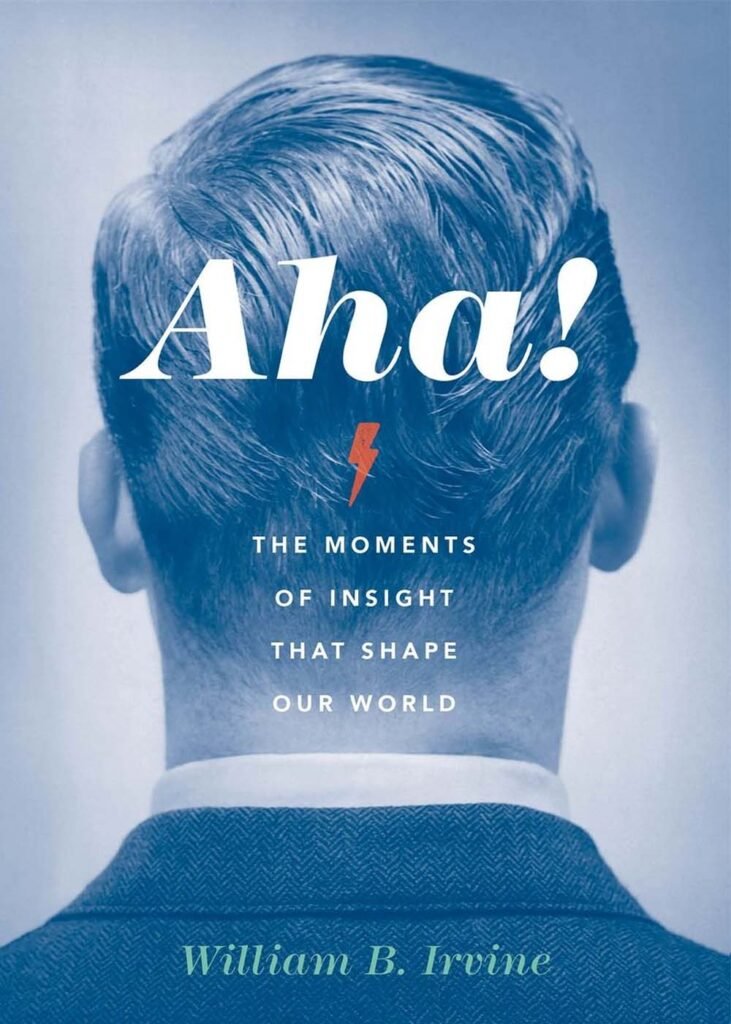
Throughout history, certain individuals have experienced profound moral awakenings that compelled them to challenge deeply entrenched injustices. These moral aha moments combine intellectual recognition with emotional conviction, creating transformative experiences that drive social reform movements. In “Aha! The Moments of Insight that Shape Our World,” philosopher William B. Irvine explores how these ethical epiphanies occur and why they possess such power to motivate action and reshape society.
Moral insights differ from other types of aha moments because they involve both cognitive and emotional dimensions. The person experiencing a moral epiphany does not simply understand injustice intellectually but feels its wrongness viscerally and urgently. This combination of knowing and feeling creates motivation powerful enough to overcome fear, social pressure, and self-interest.
Understanding moral aha moments illuminates the psychology of social change and ethical progress. Irvine’s Oxford University Press book examines famous moral reformers whose sudden insights catalyzed movements that transformed human rights, ended practices like slavery, and advanced justice across generations.
The Anatomy of Moral Awakening
Moral epiphanies typically begin with exposure to facts or experiences that challenge existing assumptions about right and wrong. A person learns about suffering they previously ignored, recognizes their complicity in harmful systems, or suddenly perceives the humanity of those they previously dismissed. This new information or perspective triggers a cascade of realizations that fundamentally reorganize their ethical understanding.
The transformation occurs suddenly rather than gradually. Unlike slow moral development through education or experience, moral aha moments strike with dramatic force. The individual moves from unconscious acceptance of injustice to horrified recognition of wrongdoing in an instant. This rapid transformation distinguishes moral epiphanies from ordinary moral learning.
The certainty characteristic of aha moments proves especially pronounced in moral revelations. The person experiencing the insight feels absolutely convinced of their new understanding. They cannot return to their previous moral blindness any more than someone who has seen an optical illusion’s solution can unsee it. This irreversibility makes moral epiphanies particularly powerful catalysts for sustained activism.
As Irvine explores in “Aha! The Moments of Insight that Shape Our World,” moral insights also create emotional urgency. The person recognizes not only that something is wrong but that action is required immediately. This sense of moral emergency drives the passionate commitment characteristic of social reform movements.
Thomas Clarkson’s Awakening to Slavery’s Horror
One of history’s most consequential moral epiphanies occurred in late eighteenth-century England when Cambridge student Thomas Clarkson researched slavery for an essay competition. At the time, Britain had abolished slavery domestically but continued profiting enormously from the transatlantic slave trade. Most British citizens accepted this arrangement without moral qualm.
Clarkson began his research expecting the intellectual pleasure of crafting persuasive arguments. Instead, he discovered harrowing facts about slavery’s brutal realities. As he wrote in his account, he found the research transforming from an innocent academic contest into a gloomy investigation of human suffering. The facts about slavery’s cruelty became impossible to ignore or rationalize.
The full moral crisis struck while Clarkson rode horseback between Cambridge and London. He stopped repeatedly, dismounting to walk while struggling with what he had learned. He tried to convince himself that his essay’s contents could not be true, but reflection only strengthened his conviction about slavery’s evil nature. Near Wades Mill in Hertfordshire, the decisive moment arrived. Sitting disconsolate by the roadside, Clarkson realized that if slavery was truly the calamity he now recognized, someone must dedicate themselves to ending it.
This realization transformed Clarkson’s life completely. He threw himself into the British abolitionist movement, becoming one of its most influential leaders. His moral epiphany drove decades of activism that contributed significantly to ending the British slave trade and eventually slavery throughout the British Empire.
The Two Types of Moral Epiphany
Irvine’s analysis in “Aha! The Moments of Insight that Shape Our World” distinguishes two fundamental categories of moral insight. The first involves recognizing injustices embedded in existing social structures and practices. These epiphanies expose wrongs that society normalizes or actively defends. Slavery, child labor, discrimination, and environmental destruction have all been challenged by reformers who suddenly perceived their moral unacceptability.
The second type involves personal moral failings or complicity in wrongdoing. Individuals recognize how their own behavior, choices, or indifference contribute to harm. These insights can be painful because they require acknowledging personal guilt and responsibility. However, they also create motivation for meaningful change at the individual level.
Both types of moral epiphany share common characteristics. They arrive suddenly with overwhelming conviction. They create emotional distress that motivates action. They fundamentally reorganize the person’s moral framework. They prove difficult or impossible to communicate effectively to those who have not experienced similar insights.
The distinction between these types matters because they require different responses. Recognizing social injustice demands activism and reform efforts aimed at changing institutions and practices. Recognizing personal moral failure requires individual transformation and potentially making amends for past wrongs. Effective moral progress often requires both dimensions working together.
The Role of Empathy in Moral Insight
Empathy plays a crucial role in moral epiphanies, particularly those recognizing social injustice. The ability to imaginatively experience others’ suffering enables moral reformers to perceive wrongs that others dismiss or ignore. When empathy combines with factual knowledge about injustice, it creates the emotional-intellectual fusion characteristic of moral aha moments.
Clarkson’s moral awakening exemplifies this dynamic. Learning facts about slavery’s brutality allowed him to empathically connect with enslaved people’s suffering. This combination of knowledge and feeling produced his overwhelming recognition that slavery constituted a profound moral catastrophe requiring action.
Empathy’s limitations also shape moral progress. People more easily empathize with those similar to themselves than with distant or different others. This explains why social justice movements often require expanding the circle of moral concern to include previously marginalized groups. Moral reformers work to help others develop empathy for suffering they currently ignore.
Effective moral reformers find ways to make distant or abstract suffering vivid and immediate. Harriet Beecher Stowe’s novel “Uncle Tom’s Cabin” helped many Northerners empathize with enslaved people’s experiences, advancing abolitionist sentiment. Visual documentation of war atrocities, environmental destruction, and animal suffering all leverage empathy to motivate moral concern and action.
Why Moral Insights Face Resistance
Despite their power for those who experience them, moral epiphanies typically encounter fierce resistance when moral reformers attempt to share their insights. Irvine examines several reasons why people resist recognizing injustices that reformers perceive as obvious and urgent.
Economic interests create powerful opposition to moral progress. Slavery generated enormous profits for traders, plantation owners, and related industries. Acknowledging slavery’s immorality threatened these economic stakes, motivating active resistance to abolitionist arguments. Similar dynamics operate whenever moral reforms threaten profitable practices or industries.
Psychological factors also impede moral recognition. Acknowledging systemic injustice often requires admitting personal complicity or benefit from wrong systems. This admission creates cognitive dissonance and guilt that people naturally seek to avoid. Denying or minimizing injustice proves psychologically easier than confronting uncomfortable truths about one’s own involvement.
Social conformity pressures reinforce resistance to moral innovation. Challenging accepted practices marks reformers as troublemakers who threaten social stability. People who question prevailing norms face criticism, ostracism, and sometimes violence. These social costs discourage moral insight and dissent, maintaining unjust status quos.
Cultural relativism provides another defense against moral criticism. When reformers challenge practices embedded in tradition or culture, defenders argue that moral standards vary across societies and that outsiders lack standing to judge. This reasoning can protect genuinely valuable cultural diversity but also shields harmful practices from legitimate criticism.
Moral Reformers as Social Gadflies
Successful moral reformers must persist despite resistance, criticism, and personal sacrifice. They function as what Socrates called gadflies, persistently challenging society’s moral complacency and demanding recognition of injustices others prefer to ignore. This role requires courage, conviction, and resilience.
As Irvine explores in his book, moral reformers face particular challenges communicating their insights. The certainty they feel cannot be easily transmitted to others. Logical arguments often prove insufficient because moral epiphanies involve emotional recognition as much as intellectual understanding. Reformers must find ways to help others experience the emotional and cognitive shift they underwent.
Effective reform strategies combine multiple approaches. Factual documentation of injustice provides the intellectual foundation for moral recognition. Personal testimonies from those suffering harm create empathic connection. Mass movements demonstrate that concerns extend beyond isolated individuals. Political organizing translates moral conviction into institutional change. Artistic representation makes abstract injustice emotionally immediate and vivid.
The most successful moral movements gradually expand recognition of their core insights across society. What begins as radical reform eventually becomes accepted moral truth. Slavery, once defended by respectable thinkers, now universally condemned. Women’s equality, once dismissed as absurd, now widely embraced. Environmental protection, once ignored, now recognized as moral imperative. These transformations demonstrate moral progress driven by reformers’ aha moments.
The Problem of Moral Certainty
While moral conviction drives necessary reform, absolute certainty also creates risks. Moral reformers’ unshakable conviction in their insights can produce intolerance, extremism, and unwillingness to consider alternative perspectives. The same certainty that enables persistence against opposition can also prevent productive dialogue and compromise.
History contains examples of moral movements that began with legitimate insights but evolved into destructive extremism. Revolutionary movements justified atrocities in the name of moral progress. Religious reformers persecuted heretics with absolute moral confidence. Political ideologues implemented brutal policies convinced of their rightness. These cautionary examples reveal dangers inherent in moral certainty.
Irvine’s analysis encourages balancing moral conviction with intellectual humility. Moral reformers can maintain confidence in their core insights while remaining open to criticism, refinement, and limitations in their understanding. Recognizing that moral progress continues indefinitely prevents any generation from claiming final moral authority.
This balance proves difficult to achieve. Effective reform requires strong conviction to overcome resistance and opposition. Yet excessive certainty prevents learning from mistakes and adapting to new information. The most successful moral movements combine passionate commitment to core principles with pragmatic flexibility about implementation and ongoing refinement.
Moral Progress Across Generations
Examining moral epiphanies across history reveals patterns in how societies evolve ethically. Each generation faces moral challenges that previous generations ignored or actively defended. Moral reformers experience aha moments recognizing injustices their contemporaries dismiss. Through sustained activism, they gradually expand recognition of these moral truths.
Subsequent generations inherit expanded moral understanding but face their own blind spots. Practices accepted today may horrify future observers. Contemporary moral reformers challenge injustices in factory farming, economic inequality, environmental destruction, and treatment of future generations. Future historians will judge which of today’s reformers grasped genuine moral insights versus pursuing misguided crusades.
This ongoing process of moral discovery and reform demonstrates that ethical understanding develops through accumulated insights rather than possessing fixed eternal truths. While certain moral principles may be universal, recognizing their full implications and applications requires ongoing moral work. Each generation must experience its own moral epiphanies to advance ethical progress.
Cultivating Moral Awareness
While moral epiphanies arrive suddenly and cannot be forced, certain practices cultivate receptivity to ethical insight. Actively seeking exposure to perspectives and experiences different from one’s own creates opportunities for moral discovery. Reading accounts of suffering, listening to marginalized voices, and visiting sites of injustice can trigger recognition previously blocked by ignorance or distance.
Developing empathic imagination strengthens capacity for moral insight. Deliberately attempting to understand others’ experiences, feelings, and perspectives builds skills essential for recognizing when practices cause unacknowledged harm. Literature, film, and art all provide opportunities for exercising and expanding empathic capabilities.
Critical reflection on one’s own practices, privileges, and assumptions creates space for moral insight. Questioning why things are done in particular ways, who benefits from existing arrangements, and whose suffering may be invisible in current frameworks can reveal moral blind spots. This self-examination proves uncomfortable but essential for moral growth.
Engaging seriously with moral reformers and their arguments, even when initially skeptical, opens possibilities for insight. Rather than immediately dismissing challenges to accepted practices, approaching reform movements with genuine curiosity and willingness to consider their perspectives creates conditions for moral learning.
The Intersection of Moral and Scientific Insight
Moral epiphanies often intersect with scientific discoveries that reveal previously hidden consequences of human actions. Environmental activism accelerated when scientific research demonstrated climate change, pollution’s health effects, and ecosystem destruction. Animal rights advocacy gained momentum through scientific evidence of animal consciousness and suffering. Public health reforms followed research documenting social determinants of health outcomes.
These intersections demonstrate how factual knowledge enables moral recognition. Science reveals consequences that moral reasoning can then evaluate. The combination of empirical evidence and ethical reflection produces moral insights more powerful than either alone could generate.
However, Irvine notes that scientific facts alone rarely produce moral change. Evidence of harm must combine with empathic recognition and ethical conviction to motivate action. This explains why well-documented injustices persist despite available evidence. Moral progress requires not just knowing about suffering but caring enough to demand change.
Practical Applications for Modern Reformers
Contemporary moral reformers face similar challenges to historical predecessors. Understanding patterns in moral epiphanies and reform movements provides valuable guidance for current activism. Effective modern reform requires combining factual documentation, empathic appeal, mass mobilization, political organizing, and cultural change.
Social media and digital communication create new opportunities for sharing moral insights rapidly across large populations. Viral documentation of injustice can trigger widespread moral recognition and response. However, these tools also enable tribalism, misinformation, and superficial engagement that may hinder genuine moral transformation.
Successful contemporary movements typically combine online organizing with offline activism, coalition building across diverse groups, attention to intersecting injustices, and sustained pressure on institutions rather than expecting immediate transformation. These strategies reflect lessons learned from historical reform movements adapted to current contexts.
Conclusion: The Ongoing Need for Moral Courage
William B. Irvine’s exploration of moral aha moments in “Aha! The Moments of Insight that Shape Our World” illuminates both the power and challenges of ethical insight. Moral epiphanies have driven humanity’s greatest advances in justice, rights, and human dignity. They continue motivating contemporary reformers challenging modern injustices.
Understanding moral insight reveals that ethical progress depends on individuals willing to experience uncomfortable recognitions, question accepted practices, and persist despite resistance. These moral reformers function as society’s ethical conscience, expanding recognition of suffering and injustice that others ignore or defend.
For anyone interested in social justice, ethical development, or moral psychology, examining moral aha moments provides essential perspective. Irvine’s analysis offers both historical examples and conceptual frameworks for understanding how ethical insights occur and why they prove so difficult to communicate yet ultimately so transformative for human civilization.
The study of moral epiphanies ultimately reveals that ethical progress requires ongoing courage, empathy, and willingness to challenge our own assumptions. Each generation faces moral blind spots that future observers will condemn. Cultivating openness to moral insight and supporting those who experience ethical epiphanies ensures continued progress toward a more just world.
Related posts:
 Aha Moments Explained: The Science Behind Sudden Insights That Changed History
 25 Transformative Insights from “Aha! The Moments of Insight that Shape Our World” by William B. Irvine
 The Unconscious Mind and Creativity: Where Your Best Ideas Actually Come From
 Mathematical Eureka Moments: Understanding the Aha Insights That Unlock Eternal Truths
 Whay Is The Eureka Effect: How Aha Moments Drive Scientific Breakthroughs and Paradigm Shifts