If you’ve ever considered starting a chicken farming business idea, there has never been a better time than now. With rising demand for organic, pasture-raised poultry and farm-fresh eggs, small-scale farmers are turning simple setups into highly profitable ventures—some even generating over six figures annually.
What makes this opportunity even more exciting is that you don’t need years of experience or massive land to get started. In fact, many successful farmers began with just a handful of chickens, a small plot of land, and a willingness to learn through trial and error. With the right systems, marketing strategies, and commitment, a chicken farming business can evolve into a sustainable and scalable income stream.
In today’s economy, consumers are becoming more conscious about where their food comes from. This shift has created a massive opportunity for local farmers to supply high-quality, ethically raised poultry directly to customers. Whether it’s through farmers markets, subscription models, or direct farm sales, the demand continues to grow year after year.
This guide will walk you through 10 proven strategies to build a successful chicken farming business idea in 2026. From choosing the right breeds and managing costs to mastering marketing and scaling your operation, you’ll discover exactly what it takes to turn a simple farming concept into a profitable enterprise.
Section 1: Chicken Farming Business Idea Fundamentals
A successful chicken farming business idea always starts with understanding the fundamentals—and this is where most beginners either win big or fail fast. At its core, chicken farming isn’t just about raising birds; it’s about building a system that consistently produces high-quality products while keeping costs under control. Once you grasp this, everything else becomes easier to scale and optimize.
First, you need to understand that modern poultry farming has evolved significantly. Today, there are three primary models you can choose from: meat production (broilers), egg production (layers), or dual-purpose farming. Each model comes with its own advantages and challenges. Broilers grow quickly and can be sold within 6–8 weeks, making them ideal for fast cash flow. Layers, on the other hand, provide consistent income through daily egg production, which is why many farmers rely on them for stable weekly revenue.
One of the biggest reasons why this chicken farming business idea is booming in 2026 is the shift in consumer behavior. People are no longer satisfied with mass-produced supermarket chicken. They want transparency, quality, and ethically raised food. This demand creates a massive opportunity for small-scale farmers who can offer pasture-raised, chemical-free poultry products. In fact, many customers are willing to pay premium prices simply because they trust the source.
Another key factor is scalability. Unlike many traditional businesses, you don’t need a huge investment to get started. You can begin with as few as 50–100 chickens and gradually expand as your customer base grows. This low barrier to entry makes it one of the most accessible agricultural ventures today. However, don’t mistake “easy to start” for “easy to succeed.” The real challenge lies in creating efficient systems for feeding, watering, housing, and protecting your birds.
Efficiency is everything. Successful farmers design their operations to minimize labor while maximizing output. For example, using movable coops or “chicken tractors” allows you to rotate birds across fresh pasture daily. This not only improves animal health but also naturally fertilizes the land, reducing the need for chemical inputs. It’s a win-win situation that lowers costs and improves product quality.
Another overlooked fundamental is mortality management. Even the best farms experience some losses, but keeping that number low—typically under 5–7%—is critical for profitability. Factors like temperature control, predator protection, and proper nutrition play a huge role here. A small mistake in these areas can quickly eat into your margins.
Lastly, mindset matters more than most people think. This isn’t a “get rich quick” scheme. It’s a long-term business built on consistency, patience, and continuous learning. The most successful farmers treat their operation like a real business—tracking expenses, optimizing processes, and constantly improving their systems.
If you get these fundamentals right, your chicken farming business idea won’t just survive—it will thrive.
Section 2: How to Start a Chicken Farming Business Idea from Scratch
Starting a chicken farming business idea from scratch might feel overwhelming at first—but here’s the truth: once you break it down into simple steps, it becomes completely doable, even for beginners with zero experience. The key is to focus on building a strong foundation instead of trying to scale too fast.
The first and most important decision you’ll make is choosing the right type of chickens. Your entire business model depends on this. If your goal is quick returns, broiler chickens like Cornish Cross are ideal because they grow fast and are ready for market within 6–8 weeks. On the other hand, if you’re looking for consistent, long-term income, layer breeds such as Rhode Island Red or Leghorn are excellent choices because they produce eggs regularly. Some farmers also opt for dual-purpose breeds, which offer both meat and eggs, giving you flexibility as you grow.
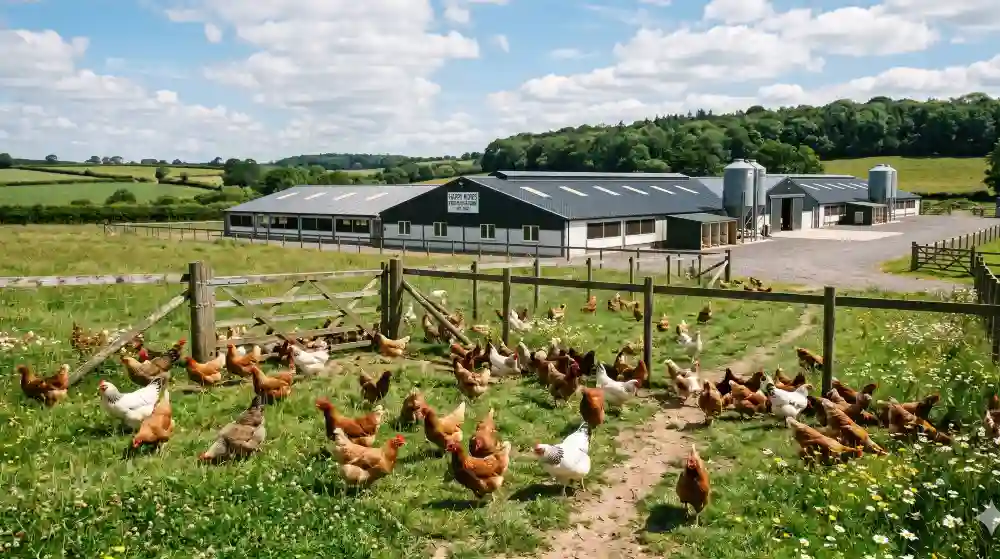
Next comes land and housing—and here’s some good news: you don’t need a massive farm to get started. Many successful farmers begin with just a quarter to half an acre. What matters more than size is how efficiently you use the space. A well-designed coop that protects your chickens from predators, provides proper ventilation, and allows easy access for feeding and cleaning is essential. Mobile coops, often called chicken tractors, are especially effective because they let you rotate your chickens to fresh grass daily, improving both bird health and soil quality.
Equipment is another critical piece of the puzzle, but you don’t need to overcomplicate it. Start with the basics: feeders, waterers, heat lamps for chicks, nesting boxes for layers, and simple tools for maintenance. Investing in durable, reliable equipment early on will save you time, money, and frustration in the long run. Many beginners make the mistake of cutting corners here, only to face bigger problems later.
Daily management is where discipline comes into play. Chickens require consistent care—fresh water, proper feed, clean living conditions, and protection from predators. Establishing a routine will not only keep your flock healthy but also make your workload more manageable. Over time, these daily habits become second nature, allowing you to run your farm more efficiently.
Another crucial step is planning your first sales before your chickens are even ready. Too many beginners focus only on raising birds and forget about the business side. Start building your customer base early—talk to friends, family, neighbors, or even local markets. Pre-selling your products can help you generate cash flow quickly and reduce risk.
Finally, remember this: start small, but think big. A chicken farming business idea is not about overnight success—it’s about steady growth. Begin with a manageable number of chickens, learn the process, refine your systems, and then scale as demand increases.
Section 3: Smart Investment and Cost Breakdown for Chicken Farming Business Idea
Understanding the financial side of your chicken farming business idea is where things get real. This is the part that separates hobby farmers from profitable operators. If you don’t know your numbers, you’re essentially guessing—and in business, guessing is expensive.
Let’s start with the initial investment. One of the biggest advantages of this business is its flexibility. You can start small with as little as a few hundred dollars or go bigger depending on your ambition. For a beginner setup of around 50–100 chickens, you’ll typically need to budget for chicks, housing, basic equipment, and feed. Chicks usually cost between $1.50 to $3 each, depending on the breed and supplier. That means your first batch could cost around $100–$300 just for birds.
Housing is where costs can vary widely. If you build your own coop, you might spend anywhere from $300 to $1,500 depending on materials and size. Pre-built or more advanced mobile coops can go higher, but for beginners, a simple, functional setup is more than enough. Remember, the goal is efficiency—not perfection.
Now let’s talk about the biggest ongoing expense: feed. Feed will eat up a significant portion of your budget—often 60–70% of total costs. Each chicken consumes roughly 12–15 pounds of feed over its lifetime (for meat birds), and layers require continuous feeding to maintain egg production. If you don’t manage feed efficiently, your profits will disappear quickly. That’s why many successful farmers focus heavily on reducing feed waste and supplementing with pasture when possible.
Labor is another factor, even if it’s just your own time. In the beginning, you may not count it as a cost, but as your farm grows, it becomes critical. Tasks like feeding, cleaning, collecting eggs, and moving coops take time and energy. Efficient systems can reduce labor significantly, which directly improves your bottom line.
Processing and packaging are often overlooked but essential costs. If you’re selling meat, you’ll need to factor in processing fees, which can range from $5 to $10 per bird depending on your location. Packaging materials, labeling, and storage (like freezers) also add to your expenses. For egg production, cartons and transportation costs should be considered as well.
Now, let’s look at the income side. Revenue depends heavily on your pricing strategy and market. Farm-fresh eggs can sell at premium prices, especially if they are organic or pasture-raised. Meat chickens also command higher prices when marketed directly to consumers instead of selling wholesale. This is where your profit margin is made.
A well-managed small farm can achieve profit margins of around 10–20%, depending on efficiency and market demand. While that might not sound huge at first, remember—this business is scalable. As you grow your customer base and improve your systems, your revenue increases while many of your costs become more optimized.
The key takeaway? Treat your farm like a business from day one. Track every expense, monitor your margins, and constantly look for ways to improve efficiency. A smart financial approach will turn your chicken farming business idea from a side hustle into a sustainable income stream.
Section 4: Proven Chicken Farming Business Idea Marketing Strategies
You can have the best setup, healthiest chickens, and most efficient systems—but if you don’t know how to sell, your chicken farming business idea won’t make money. Marketing is the real game-changer, and it’s where small farmers can outperform large commercial operations.
The biggest advantage you have as a small-scale farmer is direct-to-consumer sales. Unlike big corporations that rely on wholesalers and middlemen, you can sell straight to your customers and keep a much larger share of the profit. This is exactly how many small farms turn modest operations into six-figure businesses.
Let’s start with one of the most effective channels: farmers markets. These are goldmines for new farmers. They give you immediate access to customers who are already looking for fresh, local, and high-quality food. But here’s the catch—you can’t just show up and expect to sell out. Your presentation, story, and customer interaction matter just as much as your product. People don’t just buy chicken—they buy trust, transparency, and connection.
Another powerful strategy is building a subscription model. This is where things get really interesting. Instead of chasing new customers every week, you create recurring revenue. For example, you can offer weekly or bi-weekly egg deliveries or monthly meat boxes. This not only stabilizes your income but also helps you predict demand and plan production more efficiently. Many successful farms rely heavily on subscriptions because it turns unpredictable sales into consistent cash flow.
Social media is another major driver of growth, especially in today’s digital world. Platforms like Instagram, Facebook, and TikTok allow you to showcase your farm, your animals, and your daily operations. People love seeing where their food comes from. By sharing your story—your challenges, your wins, your process—you build a loyal audience that eventually turns into paying customers. Authenticity beats perfection every time.
Email marketing is often overlooked but incredibly powerful. Once you have customers, collect their emails and keep them updated. Share farm updates, product availability, and special offers. This keeps your audience engaged and increases repeat purchases. Remember, it’s much easier to sell to an existing customer than to find a new one.
Branding also plays a bigger role than most beginners realize. Your farm name, packaging, and overall presentation should reflect quality and trust. Even simple things like clean egg cartons, clear labeling, and a professional look can significantly impact how customers perceive your products—and what they’re willing to pay.
Finally, focus on storytelling. This is your secret weapon. Big companies can’t compete with your personal journey. Talk about why you started, how you raise your chickens, and what makes your farm different. People connect with stories, and that connection drives sales.
Section 5: Scaling Your Chicken Farming Business Idea for Maximum Profit
Once you’ve built a solid foundation, the next step is scaling your chicken farming business idea—and this is where things can truly become life-changing. But here’s the reality: scaling isn’t about doing more work; it’s about building smarter systems that allow you to grow without burning out.
The first principle of scaling is controlled expansion. Many beginners make the mistake of growing too fast—buying more chickens, investing in expensive equipment, or expanding land before they have the customer demand to support it. This often leads to financial strain or even failure. Instead, scale based on proven demand. If you consistently sell out of your products, that’s your signal to increase production.
One of the smartest ways to scale is by optimizing your existing systems. Before adding more chickens, ask yourself: can you improve efficiency? Can you reduce feed waste, automate watering systems, or streamline daily tasks? Small improvements in efficiency can significantly increase your profit margins without requiring major investments.
Diversification is another powerful growth strategy. Instead of relying on just one product, consider expanding your offerings. For example, if you’re already selling eggs, you can introduce meat chickens. If you’re selling whole birds, you can offer cuts like breast, wings, and thighs at higher margins. Some farms even add value-added products like bone broth or marinated chicken, which can boost revenue without increasing production volume.
Customer retention becomes even more important as you scale. It’s far easier—and cheaper—to keep existing customers than to constantly find new ones. This is where subscription models, loyalty programs, and excellent customer service come into play. A loyal customer base gives you stability and predictable income, which is crucial for long-term growth.
Another key factor is infrastructure investment. As your operation grows, you may need better equipment—larger coops, improved processing setups, or cold storage solutions. These investments should always be strategic and based on your current revenue, not future assumptions. The goal is to increase capacity without taking on unnecessary risk.
Time management also becomes critical at this stage. As your farm expands, your role shifts from doing everything yourself to managing systems and possibly people. Delegating tasks, even on a small scale, can free up your time to focus on growth, marketing, and strategy.
Of course, scaling comes with challenges. Weather conditions, feed costs, and unexpected losses can all impact your operation. That’s why it’s essential to maintain a financial buffer and continuously adapt your approach. The most successful farmers aren’t the ones who avoid problems—they’re the ones who solve them quickly and efficiently.
Ultimately, scaling a chicken farming business idea is about balance. Grow too slowly, and you miss opportunities. Grow too fast, and you risk everything. But if you scale strategically—step by step, with systems in place—you can turn a small farm into a highly profitable and sustainable business.
Conclusion
Building a successful chicken farming business idea in 2026 is not just about raising chickens—it’s about creating a system that combines smart planning, efficient operations, and strong customer relationships. As you’ve seen, you don’t need massive land, huge capital, or years of experience to get started. What you do need is consistency, patience, and a willingness to learn and adapt.
From understanding the fundamentals to managing costs, mastering marketing, and scaling strategically, every step plays a crucial role in your success. The beauty of this business lies in its simplicity and scalability. You can start small, make mistakes, improve your systems, and grow at your own pace.
Most importantly, this isn’t just a business—it’s a lifestyle. It’s about producing real food, connecting with your customers, and building something meaningful from the ground up. And while the journey may be challenging at times, the rewards—both financial and personal—can be incredibly fulfilling.
If you’ve been thinking about starting your own farm, this is your sign to take action. Start small, stay consistent, and keep improving. Your chicken farming business idea could be the beginning of something truly powerful.
FAQs
What is the best chicken breed for beginners?
For beginners, Rhode Island Red and Leghorn are great for eggs, while Cornish Cross is ideal for meat production due to fast growth and high efficiency.
How much does it cost to start a chicken farm?
You can start small with $500–$2,000 depending on the number of chickens, housing setup, and equipment quality.
How long does it take to make a profit?
Most farmers can start seeing returns within 2–3 months for meat chickens and a few months longer for egg production.
Is chicken farming profitable in 2026?
Yes, especially with direct-to-consumer sales. Demand for organic and pasture-raised poultry continues to grow rapidly.
Do I need a lot of land to start?
No. Many successful farms operate on less than an acre by using efficient systems like movable coops.
What is the biggest expense in chicken farming?
Feed is typically the largest ongoing cost, often making up 60–70% of total expenses.
Related posts:
 Alexandr Wang’s Story: From MIT Dropout to Meta AI Chief
 Amazon’s Monopoly Trap: How the Everything Store Got Enshittified
 Organizational Resilience Strategies: What the Bronze Age Collapse Teaches Modern Business
 Work-Life Balance for Entrepreneurs Through Integrated Wealth
 Why Early Farmers Had Shorter Lives Than Hunter-Gatherers