Self discipline and happiness may seem unrelated at first.
One sounds strict.
The other sounds emotional.
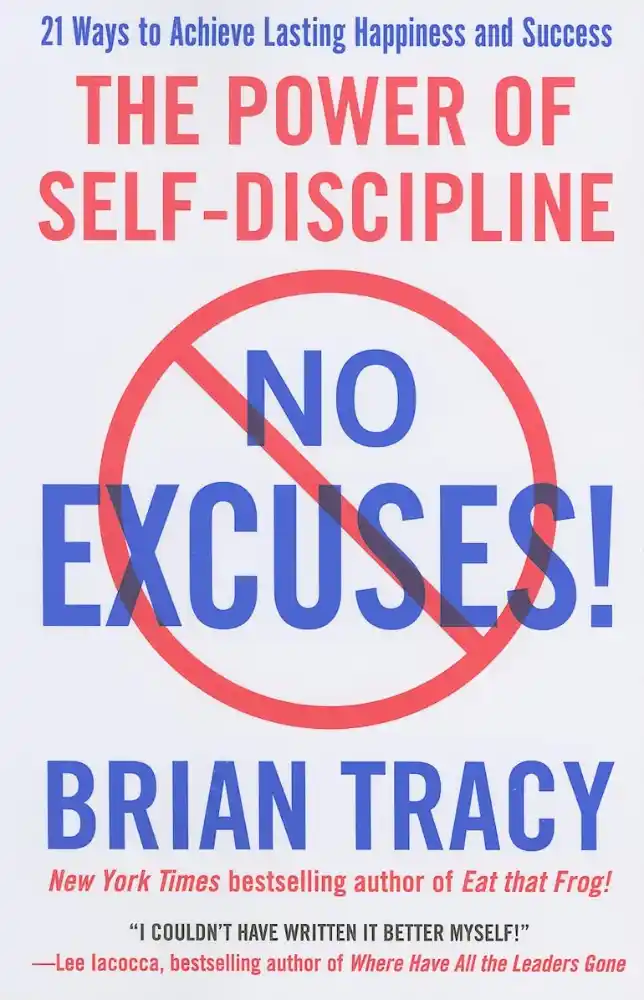
But in No Excuses!: The Power of Self-Discipline, Brian Tracy makes a powerful argument: lasting happiness is not the result of comfort or ease — it is the byproduct of control, progress, and self-respect.
Happiness does not come from avoiding discipline.
It often comes from practicing it.
When you live in alignment with your goals, values, and responsibilities, you experience a deeper, more stable form of satisfaction.
The Law of Control
Tracy introduces what he calls the Law of Control:
You feel happy to the degree that you feel in control of your life.
You feel unhappy to the degree that you feel controlled by outside circumstances.
This principle connects self discipline and happiness directly.
Discipline increases control.
When you:
- Manage your time,
- Control your spending,
- Direct your thoughts,
- Take responsibility,
you reduce chaos.
Control builds stability.
Stability builds peace.
Self-Discipline Reduces Anxiety
Anxiety often arises from avoidance.
Unfinished tasks.
Unpaid bills.
Unspoken conversations.
Unclear goals.
When you consistently postpone responsibilities, stress accumulates.
Self discipline reduces this burden.
Completing tasks, planning ahead, and addressing issues directly removes uncertainty.
Clarity replaces chaos.
And clarity is calming.

Progress Produces Happiness
One of Tracy’s key insights is that progress toward meaningful goals generates happiness.
Achievement builds confidence.
Momentum builds motivation.
Self discipline and happiness connect through progress.
When you consistently move toward your goals:
- Self-esteem increases.
- Energy rises.
- Doubt decreases.
- Direction becomes clear.
Even small daily improvements create emotional lift.
Stagnation breeds dissatisfaction.
Growth generates fulfillment.
The Self-Esteem Connection
Tracy often emphasizes the relationship between discipline and self-esteem.
Self-esteem grows when you respect yourself.
And you respect yourself when you keep promises.
Every time you follow through:
- You strengthen self-trust.
- You increase internal credibility.
- You reinforce identity.
Self discipline and happiness align because self-respect produces emotional stability.
Temporary pleasure fades quickly.
Self-respect endures.
Emotional Discipline and Inner Peace
Happiness is not the absence of difficulty.
It is the presence of composure.
Self discipline extends to emotional regulation.
Instead of reacting impulsively:
- You pause.
- You reflect.
- You respond intentionally.
This emotional discipline reduces conflict.
It strengthens relationships.
It builds calm.
Self discipline and happiness meet in emotional maturity.
Responsibility as Liberation
Tracy repeatedly emphasizes 100% responsibility.
At first, responsibility feels heavy.
Over time, it feels freeing.
Blame keeps you stuck in resentment.
Responsibility restores agency.
When you focus on what you can control:
- Helplessness decreases.
- Optimism increases.
- Energy returns.
Self discipline strengthens responsibility.
Responsibility strengthens happiness.
Delayed Gratification and Long-Term Satisfaction
Immediate pleasure is not the same as happiness.
Impulse buying, overeating, procrastinating — these may offer short bursts of comfort.
But they often produce regret.
Self discipline and happiness align through delayed gratification.
Choosing long-term benefit over short-term pleasure produces:
- Financial stability.
- Physical health.
- Career growth.
- Stronger relationships.
These outcomes generate deeper satisfaction.
Confidence as a Source of Joy
Confidence grows through action.
Self discipline builds confidence because it creates evidence.
When you complete difficult tasks:
- You feel capable.
- You trust yourself.
- You expand your comfort zone.
Confidence reduces insecurity.
And reduced insecurity increases peace.
Self discipline and happiness reinforce one another through competence.
The Role of Purpose
Happiness often follows purpose.
Tracy encourages defining meaningful goals.
Purpose provides direction.
Self discipline provides execution.
When you know why you are working hard, discipline feels aligned rather than restrictive.
Purpose transforms effort into meaning.
Meaning produces fulfillment.
Stability vs. Emotional Highs
Many people chase emotional highs.
But highs are temporary.
Stable happiness is quieter.
It comes from:
- Order instead of chaos.
- Progress instead of stagnation.
- Responsibility instead of blame.
- Integrity instead of compromise.
Self discipline and happiness favor stability over volatility.
And stability supports long-term well-being.
Relationships and Discipline
Self discipline improves relationships.
When you:
- Manage your temper,
- Communicate directly,
- Keep commitments,
- Show reliability,
trust strengthens.
Strong relationships increase happiness.
Emotional impulsiveness damages connection.
Discipline preserves it.
A 30-Day Happiness Through Discipline Plan
To strengthen self discipline and happiness:
- Complete one delayed task daily.
- Set one meaningful goal.
- Take one action toward it daily.
- Replace one complaint with responsibility.
- Practice emotional pause before reacting.
After 30 days, you will likely notice:
- Reduced stress.
- Increased confidence.
- Greater clarity.
- Improved mood.
Happiness grows through structure.
Frequently Asked Questions
1. How are self discipline and happiness connected?
Discipline increases control, progress, and self-respect — all of which contribute to lasting happiness.
2. Does discipline make life rigid?
Not when balanced. Discipline creates structure that reduces stress and increases freedom.
3. Why does progress improve mood?
Progress builds confidence and reinforces a sense of purpose.
4. Can happiness exist without discipline?
Short-term pleasure can. Long-term stability usually requires disciplined habits.
5. How can I increase happiness through discipline?
Start by completing tasks consistently and taking responsibility for your reactions.
Final Reflection
Self discipline and happiness are not opposites.
They are partners.
In No Excuses!, Brian Tracy makes it clear:
When you control your behavior, you gain control over your life.
And when you feel in control, you feel happier.
Discipline does not eliminate joy.
It creates the conditions for it.
Plan your time.
Take responsibility.
Act consistently.
Move toward meaningful goals.
Happiness often follows quiet discipline.
Not instantly.
But steadily.
Take the FULL FREE MINI COURSE on DISCIPLINE here
Related posts:
 Self Discipline and Personal Responsibility: Stop Blaming, Start Growing
 Self Discipline and Goal Setting: The 7-Step Success Formula
 Self Discipline: The Complete Mini Course to Mastery, Success, and a Life Without Excuses Inspired by Brian Tracy & The Power Of Self-Discipline
 Self Discipline and Success: Why Winners Refuse Excuses
 Self Discipline and Leadership: The Foundation of Real Authority