Most people chase happiness like it’s a destination they’ll recognize when they arrive. Arthur C. Brooks and Oprah Winfrey demolish this fantasy in “Build the Life You Want” with a framework so practical it changes how you approach every decision in your life. Happiness isn’t a feeling you achieve. It’s a balance of three specific elements—what they call the macronutrients of happiness.
Just as food consists of carbohydrates, protein, and fat in varying proportions, happiness consists of enjoyment, satisfaction, and purpose. You need all three in proper balance. Pursuing one while neglecting the others creates the kind of hollow success that looks impressive from the outside but feels empty from within.
Most men optimize for the wrong things. We chase pleasure and call it enjoyment. We pursue achievement without understanding satisfaction. We mistake busyness for purpose. Then we wonder why success doesn’t deliver the fulfillment we expected.
Enjoyment: Why Pleasure Alone Makes You Miserable
Brooks and Winfrey make a crucial distinction most people miss: pleasure and enjoyment are not the same thing. Pleasure is animal. Enjoyment is human.
Pleasure emanates from primitive parts of your brain that reward you for activities that once helped survival and reproduction—eating, sex, acquiring resources. These circuits evolved when scarcity was the norm and indulgence was rare. Today, we’ve hacked these systems. Processed food delivers more pleasure than nutrition. Pornography delivers more stimulus than actual intimacy. Social media delivers more dopamine than genuine connection.
The result? Unprecedented access to pleasure paired with unprecedented unhappiness.
Enjoyment requires two additions to pleasure: communion and consciousness. Thanksgiving dinner brings pleasure when the food tastes good and fills your stomach. It brings enjoyment when you share it with loved ones and create warm memories together, engaging the conscious parts of your brain.
The authors are emphatic: never settle for pleasure. Always transform it into enjoyment. This requires investment of time and effort. It means forgoing easy, effortless thrills. It means saying no to cravings and temptations. It means choosing the harder path that involves other people and conscious awareness.
All addictions involve pleasure without enjoyment. The drug, the drink, the pornography, the gambling—they deliver intense pleasure but no lasting satisfaction because they’re solitary and unconscious. They activate reward circuits without creating meaning or connection.
Think about your own life. The moments you remember fondly weren’t the times you experienced maximum pleasure. They were times when pleasure combined with presence and connection—conversations that went deep, adventures shared with friends, creative work that absorbed you completely, physical activities undertaken with others toward a common goal.
This is why men who optimize purely for pleasure—expensive possessions, casual sex, intoxication, entertainment—often end up profoundly unhappy despite having everything their younger selves thought they wanted. They have the pleasure. They lack the enjoyment.
Satisfaction: The Achievement Paradox
The second macronutrient is satisfaction—that sense of accomplishment from achieving goals you worked for. Getting an A after studying all week. Earning a promotion after years of dedicated work. Completing a marathon. Buying a house. Getting married.
Satisfaction is wonderful, but Brooks and Winfrey reveal its paradox: it requires suffering and it doesn’t last.
If you don’t suffer for something—at least a little—it doesn’t satisfy. If you study all week for a test and earn a good grade, you feel deep satisfaction. If you cheat to get the same grade, you get no satisfaction at all beyond fleeting relief. This is why cutting corners destroys your happiness. It robs you of the very mechanism through which achievement creates fulfillment.
The second problem with satisfaction is its temporary nature. You work for months toward a goal. You finally achieve it. The satisfaction is intense—and fleeting. Within days or weeks, you’re back to baseline, already looking for the next goal. Researchers call this the hedonic treadmill: you adapt quickly to good things and have to keep running to keep feeling satisfied.
This is especially true with worldly achievements: money, power, pleasure, prestige. You get the raise. It feels great for about two weeks. Then it’s just your new normal. You need the next raise to feel that satisfaction again.
The Rolling Stones captured this perfectly in 1965: “I can’t get no satisfaction.” That’s wrong, Brooks and Winfrey note. You can get satisfaction. You just can’t keep no satisfaction. It’s incredibly frustrating—even painful—that you strive intensely, experience a burst of joy, and then watch it evaporate. That’s why we try, and try, and try to maintain it, always coming up short.
Understanding this pattern is liberating. It means you should pursue achievement and enjoy the satisfaction it brings, but never expect that satisfaction to be permanent. Don’t wait until you hit certain milestones to allow yourself to be happy. The satisfaction from hitting them won’t last long enough to justify the wait.
This is why men who live only for their next achievement—the next promotion, the next business success, the next athletic milestone—are never satisfied for long. They’re on a treadmill that speeds up every time they adapt to their current level of success.
Purpose: The Macronutrient You Can’t Live Without
The third and most important macronutrient is purpose. You can make do without enjoyment for a while. You can even handle limited satisfaction. Without purpose, you’re utterly lost.
Purpose is the sense that your life means something beyond immediate pleasure or achievement. It’s the answer to the why of your existence. It’s what allows you to face life’s inevitable difficulties with hope and inner peace.
Viktor Frankl, whom Brooks and Winfrey reference throughout their book, found his purpose in the worst possible circumstances—Nazi concentration camps where he lost his entire family. In “Man’s Search for Meaning,” he wrote that the way you accept your fate and suffering, the way you take up your cross, gives you the opportunity to add deeper meaning to your life even under the most difficult circumstances.
This is counterintuitive and crucial: people who have a strong sense of meaning often find it in their suffering. Purpose doesn’t eliminate pain. It transforms pain into something bearable, even valuable.
The common strategy of trying to eliminate all suffering to become happier is futile and mistaken. You can’t eliminate suffering from a human life. But you can find the why that makes suffering meaningful.
For men, this matters immensely. You will face difficulty. Your business will struggle. Your body will age. People you love will disappoint you or leave. You’ll make mistakes that cost you. Your plans won’t unfold as hoped. This is guaranteed.
Without purpose, these difficulties are just damage accumulating. With purpose, they’re chapters in a larger story that has meaning and direction.

The Balance: Why You Need All Three
Brooks and Winfrey emphasize that you need all three macronutrients in balance, not all of one and none of another. A life with only pleasure becomes addictive and hollow. A life with only achievement becomes a joyless treadmill. A life with only purpose can become grim and ascetic.
But here’s the interesting part: each macronutrient contains some unhappiness. Enjoyment takes work and forgoing pleasures. Satisfaction requires sacrifice and doesn’t last. Purpose almost always entails suffering.
Getting happier requires accepting unhappiness in your life. The macronutrients of happiness all have difficulty baked into them. This is why the quest to eliminate all negative emotion from your life is not only impossible but counterproductive. You’d eliminate the very ingredients of genuine happiness.
Think of how this plays out practically. You want enjoyment from your relationships. This requires the work of being present, the sacrifice of solitude when you’d rather be alone, the vulnerability of actually connecting. You want satisfaction from your career. This requires years of effort, navigating setbacks, managing stress and uncertainty. You want purpose from your values and commitments. This requires sacrifice, discipline, and often swimming against cultural currents.
The good life isn’t easy. It’s worth it.
How Most Men Get the Balance Wrong
Most men overindex on satisfaction at the expense of enjoyment and purpose. We’re socialized to achieve, to compete, to accumulate. We chase money, status, physical achievements. We work eighty-hour weeks. We sacrifice relationships for career advancement. We tell ourselves we’re building a foundation for future happiness.
Then we arrive at forty-five or fifty-five with impressive résumés, financial security, and a vague sense of having missed something important. The satisfaction from our achievements was real but temporary. We didn’t invest in enjoyment—we worked instead of connecting. We didn’t develop purpose—we were too busy optimizing metrics.
This is the mid-life crisis so many men experience. Not because aging is inherently depressing, but because the satisfaction-focused strategy stops working and we haven’t developed the other macronutrients.
Other men optimize for pleasure disguised as enjoyment. They have casual relationships instead of committed ones. They consume entertainment instead of creating meaning. They chase experiences that feel good in the moment but create no lasting fulfillment. They tell themselves they’re living in the present, but they’re actually just avoiding the work that genuine enjoyment and purpose require.
A smaller number of men—often those drawn to philosophy or religion—overindex on purpose at the expense of enjoyment and even satisfaction. They’re so focused on meaning and service that they become grim, joyless, perpetually sacrificing. They mistake suffering for virtue and deprivation for discipline.
The way forward is balance. You need all three.
Building Your Happiness Diet
Brooks and Winfrey suggest thinking about your life like you’d think about nutrition. You need all three macronutrients. Ask yourself:
Am I experiencing genuine enjoyment—not just pleasure, but pleasure combined with communion and consciousness? Am I sharing meals with people I love? Am I present during experiences rather than constantly distracted? Am I choosing activities that engage both my reward circuits and my conscious awareness?
Am I experiencing satisfaction from achievement? Am I working toward goals that require genuine effort? Am I allowing myself to struggle for things that matter rather than taking shortcuts? Am I celebrating accomplishments without expecting the satisfaction to last forever?
Am I living with purpose? Can I articulate why my life matters beyond my own pleasure and achievement? Am I willing to suffer for something larger than myself? Do I have a coherent answer to the question of what my life is for?
If you’re missing one of these, you know where to focus. If you’re overindexing on one at the expense of others, you know what to rebalance.
The goal isn’t perfect equilibrium. It’s conscious attention to all three elements and honest assessment of what you’re neglecting.
The Smell of Dinner
Brooks and Winfrey use a perfect metaphor: if happiness is dinner, feelings are the smell of dinner. The smell matters—it’s what makes dinner appealing. But the smell isn’t the dinner itself.
The three macronutrients—enjoyment, satisfaction, and purpose—are the dinner. Positive and negative feelings are evidence that you’re eating well or poorly, but they’re not the thing itself.
This is why chasing feelings doesn’t work. You’re chasing the smell while ignoring the meal. You need to focus on building the actual components of happiness in your life: genuine enjoyment through connection and consciousness, authentic satisfaction through worthy achievement, and deep purpose that makes suffering meaningful.
When you get the balance right, the feelings largely take care of themselves. You experience more positive emotion and less negative emotion, not because you’re trying to feel good, but because you’re living well.
That’s the difference between happiness as destination and happiness as direction. You don’t arrive at perfect happiness. You move toward greater happiness by better balancing its essential components.
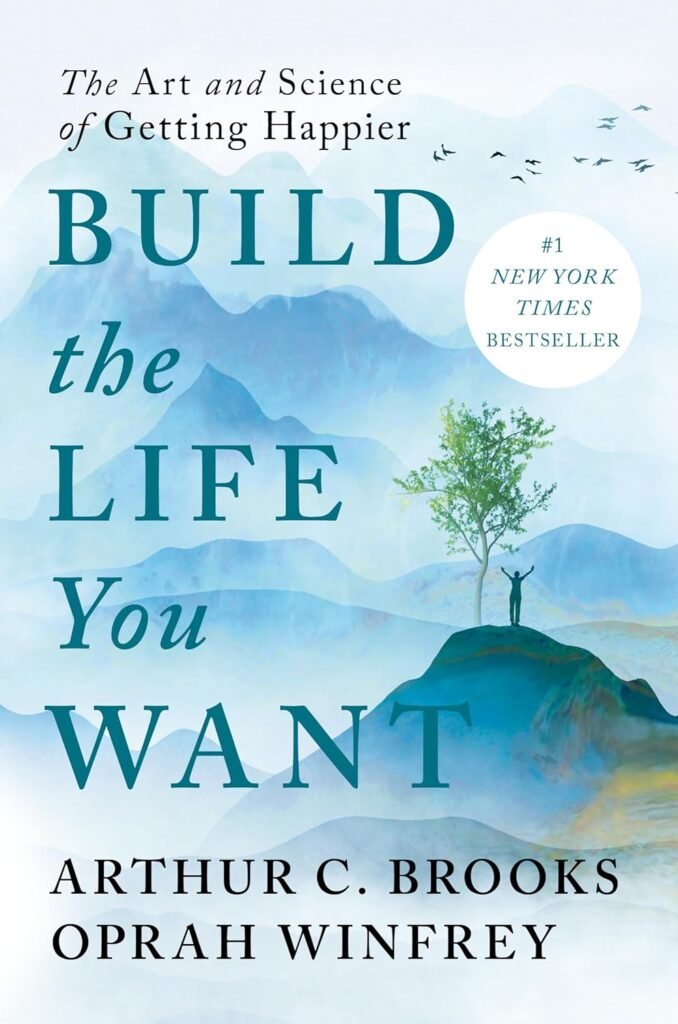
“Build the Life You Want: The Art and Science of Getting Happier” by Arthur C. Brooks and Oprah Winfrey provides a practical framework for understanding and building genuine well-being.
Related posts:
 Build the Life You Want by Arthur Brooks & Oprah: Summary
 How to Use Humor to Manage Stress and Build Resilience
 The Productive Power of Sadness, Fear, and Regret: Why You Need Negative Emotions
 Understanding Why Men Are Walking Away From Modern Dating and Relationships and The Rise of MGTOW movement
 How to Find Purpose in Your Work and Career With Audacious