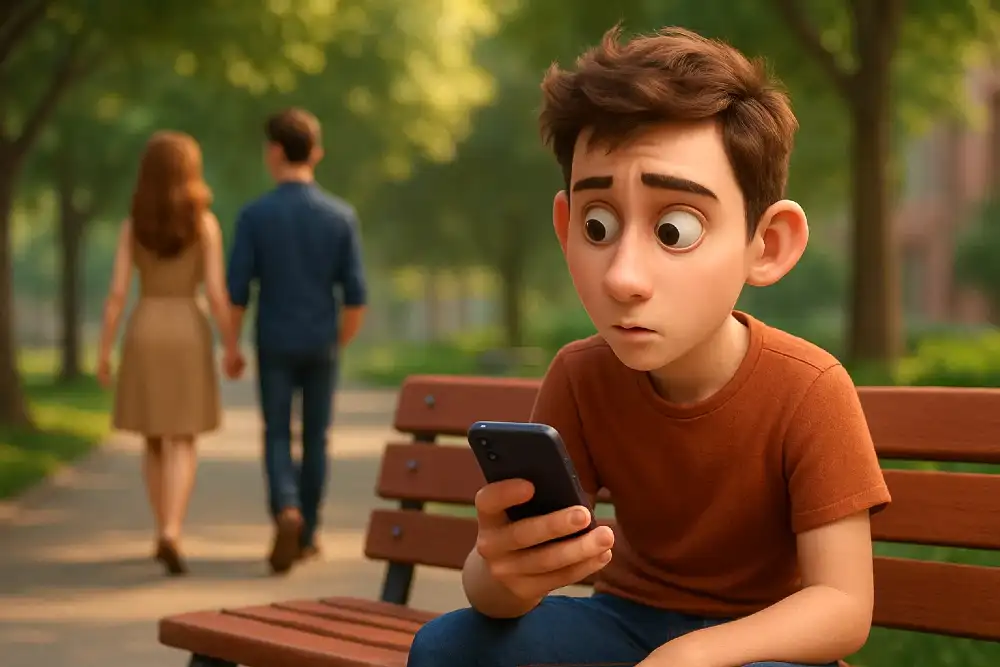
Uncover what benching in dating means—being kept on standby as a backup while they explore options. Spot signs like inconsistency and vague plans, understand the psychology behind it, heal from emotional tolls, and learn to set boundaries for healthier, committed relationships.
What Is Benching?
Have you ever been in a dating situation where someone keeps you interested just enough to stick around, but never quite commits? You’re texting regularly, maybe going on occasional dates, but when you try to define the relationship or make concrete plans, they become evasive. You might be experiencing benching—one of modern dating’s most frustrating phenomena that leaves you wondering if you’re a priority or just a backup plan.
Quick Definition
Benching in dating occurs when someone keeps you as a potential partner without engaging in a relationship with them, similar to how substitute players wait on the bench in team sports Psychology Today. You’re not being completely ghosted, but you’re not being chosen either. Instead, you’re kept in a state of romantic limbo—receiving just enough attention to maintain your interest while the other person continues exploring other options.
Credible Source Quote
Dating apps can make dating seem like shopping on Amazon, giving people the illusion of choice and the opportunity to select many people at a time, which can make potential dates seem more like cargo pants—things to be tried on, worn for a while, and stored away Psychology Today, as explained in Psychology Today. This endless-options mentality has transformed dating into a marketplace where people feel less obligation to commit, leading to behaviors like benching.
Origins & Cultural Context
The term “benching” borrowed its language from sports, where coaches keep substitute players on the bench as backups in case they’re needed. According to a survey by Plenty of Fish, 63% of people have experienced benching Medium, and 45% have done it to someone else, highlighting just how widespread this behavior has become.
The rise of benching coincides with the explosion of dating apps in the 2010s. Tinder launched in 2012, followed by Bumble, Hinge, and countless others, fundamentally changing how people approach romantic connections. Social media hashtags like #benching emerged on TikTok, with users sharing their experiences and realizing they weren’t alone in feeling relegated to someone’s “maybe” pile.
The term gained mainstream attention around 2017-2018 as relationship experts and dating columnists began documenting this pattern. Unlike ghosting, which at least provides closure through absence, benching creates a psychological trap—you’re given just enough hope to keep waiting, but never enough commitment to move forward.
Real-Life Signs of Benching
Watch for these telltale behaviors that indicate you’re being benched:
- Extreme inconsistency: They blow hot and cold, repeatedly changing plans at the last minute because a better option has emerged Psychology Today
- Severely limited availability: If connecting with them feels like securing an appointment with a specialist doctor, you’re likely being benched
- One-sided effort: You’re doing all the work to maintain contact while they offer minimal reciprocation
- No relationship progression: Weeks or months pass without any movement toward exclusivity or deeper commitment
- They openly mention other dates: Casually discussing other people they’re seeing or keeping dating apps active and visible
- Never meeting friends or family: Your relationship exists in complete isolation from their real life
- Last-minute reach-outs: They contact you primarily when bored, lonely, or when their other options fall through
- Vague future plans: Conversations about the future remain frustratingly noncommittal—”sometime,” “maybe,” “we’ll see”
Why People Do This (Psychology Behind It)
Psychologist Wyatt Fisher suggests benchers long for control and to be desired, beginning relationships only to later bench others so they feel in control and wanted Medical Daily.
Several psychological factors drive benching behavior:
Fear of Missing Out (FOMO): The dating app environment creates what researchers call “choice overload.” With seemingly unlimited options just a swipe away, some people can’t commit to one person for fear someone “better” might appear.
Attachment Issues: Research shows that unrestricted sociosexuality associated with benching is positively correlated with insecure attachment styles, suggesting that insecure attachment might correlate with benching behaviors Attachment Project. People with anxious or avoidant attachment patterns may use benching as a self-protective strategy.
Low Self-Esteem and Narcissism: Academic research found that love-bombing was positively correlated with narcissistic tendencies and insecure attachment styles, and negatively associated with self-esteem University of Arkansas. Similarly, benchers may seek external validation through maintaining multiple romantic options.
Dutch research identified six main motivations for keeping “backburners”: the possibility of sexual intimacy, previous romantic feelings, the possibility of a future relationship, a sense of excitement, convenience, and emotional validation.
Modern Dating Culture: The swipe-based economy has gamified relationships. When profiles are endless and rejection is low-stakes, some people treat dating as a strategic game rather than a genuine search for connection.
The Emotional Impact on You
Being benched takes a significant psychological toll. You’re caught in emotional limbo—invested enough to care, but uncertain enough to feel constantly anxious. This ambiguity is actually more stressful than outright rejection. A study published in the Journal of Social and Personal Relationships found that ambiguous relationship behaviors like benching can cause more stress than outright rejection SoulBot Therapy.
The experience can damage your self-worth. You begin to internalize the message that you’re “good enough” to keep around but not “good enough” to be someone’s first choice. This can lead to:
- Persistent anxiety and overanalyzing every interaction
- Decreased self-esteem and self-doubt
- Difficulty trusting future partners
- Time wasted that could be spent finding genuine connections
- Feelings of being used or manipulated
- Questioning your own judgment and instincts
Back-burner relationships can cause emotional distress to those involved, leading to the partner on the receiving end feeling neglected, insecure, or used Rocket Health.
What To Do If It Happens To You
Immediate Steps
Trust your intuition: If you feel like you’re being benched, listen to your intuition—it’s not common to go from feeling benched one day to being exclusive the next Psychology Today. Your gut feeling deserves respect.
Gather evidence: Look at patterns over time, not isolated incidents. One canceled plan might be legitimate; a consistent pattern is revealing.
Reality-check with friends: Sometimes we’re too close to a situation to see it clearly. Trusted friends can offer objective perspective.
Communication Options
Have a direct conversation: Choose a calm moment to express your observations and needs. Try: “I’ve noticed we haven’t been able to make concrete plans lately. I’m looking for [exclusivity/more consistency/clarity]. Where do you see this going?”
Set a deadline for yourself: You don’t need to announce it, but decide privately how long you’re willing to tolerate ambiguity. If nothing changes by then, you have your answer.
Ask specific questions: Instead of “Do you like me?” ask “Are you dating other people?” and “What are you looking for right now?” Direct questions make evasion harder.
Boundary-Setting
Stop being overly available: Mirror their energy. If they only reach out sporadically, don’t drop everything to respond immediately.
Don’t accept breadcrumbs: Politely decline last-minute invitations or low-effort dates. Your time has value.
State your needs clearly: “I need consistency and forward movement in relationships. If you’re not able to provide that, I understand, but I need to know.”
Self-Care
Redirect your energy: Invest in friendships, hobbies, and personal goals. Don’t put your life on hold for someone who’s keeping you on hold.
Date other people: Unless you’ve agreed to exclusivity, there’s no reason you shouldn’t explore other connections.
Journal your experience: Writing helps process emotions and spot patterns you might otherwise rationalize away.
Long-Term Dating Strategies
Screen earlier: Don’t wait months to have the “what are we” conversation. By date 3-5, it’s reasonable to ask about intentions.
Watch actions, not words: Anyone can say the right things. Consistency between words and behavior reveals true interest.
Recognize your worth: You deserve someone enthusiastic about building something with you, not someone weighing their options.
How To Avoid Doing This to Others
Self-awareness is key. Ask yourself:
- Am I giving this person false hope while I explore other options?
- Would I be hurt if someone treated me this way?
- Am I being honest about my intentions and availability?
- Am I keeping them around for validation rather than genuine interest?
Relationship experts recommend getting into the practice of ending relationships you don’t see going anywhere instead of keeping people around as backups just so you don’t end up alone Women.
Practice radical honesty: If you’re not ready to commit, say so clearly. “I’m really enjoying getting to know you, but I’m dating other people and not ready for exclusivity” gives the other person agency to make informed choices.
Make a decision: If you’ve been seeing someone casually for months, reflect honestly on whether you’re genuinely unsure or simply comfortable with the status quo. If you know deep down they’re not right for you, have the courage to end it.
Communicate changes: If your feelings or circumstances shift, address it promptly rather than slowly fading out.
Healthier Alternatives / Green Flags
Respectful dating looks like:
- Consistent communication: Regular contact that doesn’t require you to initiate everything
- Clear intentions: Honest about what they’re looking for from the start
- Progressing connection: Natural escalation from casual dates to deeper sharing
- Integration into their life: Eventually meeting friends, family, being included in plans
- Enthusiasm: They act like spending time with you is a priority, not an obligation
- Transparency: Open about their dating status and expectations
- Follow-through: Plans made are plans kept, or rescheduled with advance notice
- Mutual effort: Both people contribute to maintaining the connection
Red Flags To Watch For
- Never introduces you to anyone in their life
- Only available at specific, limited times
- Frequently cancels or reschedules
- Keeps conversation superficial
- Maintains active dating profiles while seeing you
- Makes future plans but never follows through
- Becomes available only when you pull back
- Refuses to discuss relationship status
- Their actions contradict their words
When To Walk Away
Benching becomes a dealbreaker when:
- After the DTR talk: If you’ve directly asked to define the relationship and they still won’t commit or remain vague, you have clarity—they’re not choosing you.
- Pattern persists: One or two inconsistencies might be situational. Three months of the same behavior is a choice.
- Your wellbeing suffers: If the situationship is causing significant anxiety, damaged self-esteem, or preventing you from being open to healthier connections, it’s time.
- No accountability: When confronted, they gaslight, deflect, or make promises that never materialize.
- Gut says go: If you have to constantly convince yourself to stay or rationalize their behavior, that’s your answer.
Final Takeaway
Benching thrives in ambiguity. The antidote is clarity—both in what you observe and what you require. You deserve to be someone’s first choice, not their safety net. Don’t settle for being someone’s maybe when you deserve to be someone’s definitely Rocket Health.
Related posts:
 Why You Keep Dating the Same Person: Attachment Styles and Dating Explained
 What Is Roaching in Dating? Why It Happens and Why It Feels So Unsettling
 What Is Fleabagging In Modern Dating? When You Are Repeatedly Choosing The Wrong Type of Partner
 Chemistry in Dating: Real Attraction vs Emotional Attachment
 The Four Ways to Meet Women in 2026: A Modern Dating Strategy for Men