
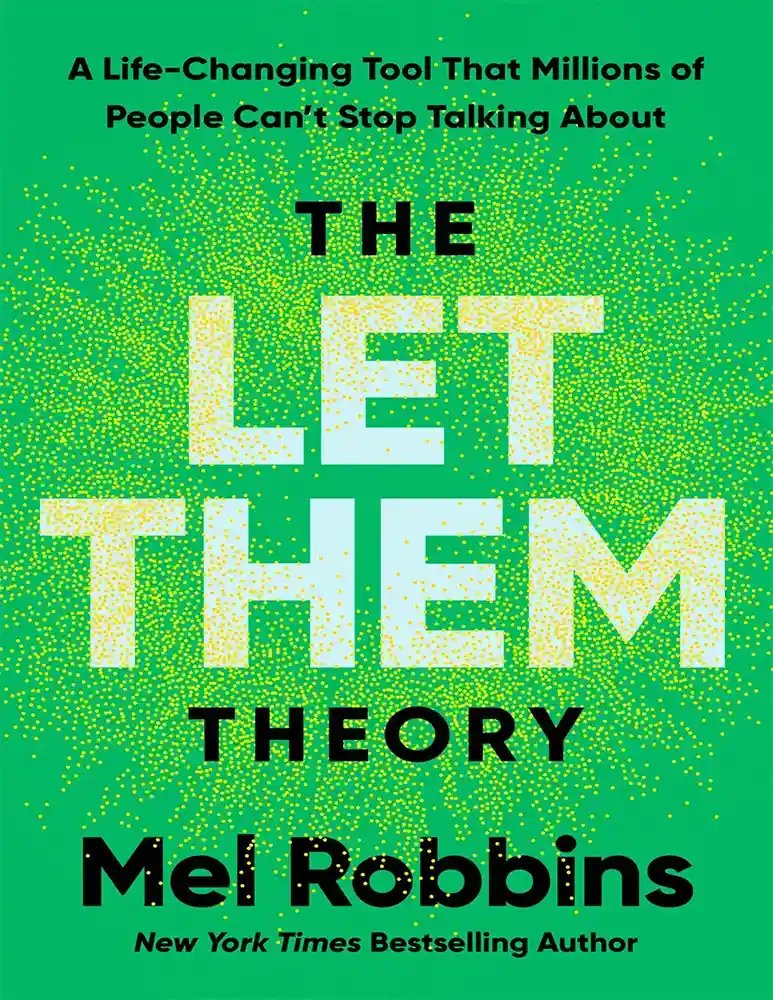
We all encounter difficult people—the family member who constantly criticizes, the colleague who creates drama, the friend who takes everything personally, the neighbor who complains incessantly. These challenging personalities can drain your energy, trigger your emotions, and disrupt your peace. In “The Let Them Theory,” Mel Robbins provides a revolutionary approach to dealing with difficult people that protects your well-being while maintaining your dignity.
Why Difficult People Get Under Your Skin
Before exploring solutions, it’s important to understand why certain people affect you so intensely. Difficult people trigger emotional reactions because they violate your expectations about how people should behave. You believe people should be reasonable, respectful, considerate, and rational. When someone acts in ways that contradict these expectations, your brain registers it as a threat.
This threat response activates your stress system, flooding you with cortisol and adrenaline. You feel anxious, angry, or upset. Your thinking narrows. You become consumed with the injustice of their behavior or obsessed with getting them to change.
The difficulty isn’t just the other person’s behavior—it’s your resistance to that behavior. You want them to be different. You need them to stop. You’re trying to control something outside your control, and that futile effort creates enormous suffering.
The Traditional Approach Doesn’t Work
Most advice about difficult people falls into a few categories: Set boundaries. Communicate clearly. Try to understand their perspective. Distance yourself. Confront them directly. While each strategy has merit in specific situations, they all share a limitation: They’re still about managing the other person.
You’re still expending energy trying to change, control, or fix someone else’s behavior. Even healthy boundaries require the difficult person to respect them—something you cannot guarantee. Even good communication requires the other person to listen and respond reasonably—something they may be incapable of or unwilling to do.
The Let Them Theory offers a fundamentally different approach: Stop trying to manage difficult people altogether. Let Them be who they are, then manage yourself.
Let Them Be Difficult
This is the radical core of applying the theory to difficult people: Let Them be difficult. Let Them have their tantrum. Let Them criticize. Let Them create drama. Let Them be unreasonable, irrational, or rude. Let Them be exactly who they are.
This doesn’t mean you approve of their behavior, agree with it, or accept mistreatment. It means you stop exhausting yourself trying to change them, convince them, or get them to see reason. You release the idea that they should be different and accept the reality that they are who they are.
Robbins explains that difficult people often behave the way they do because of their own pain, insecurity, trauma, or limited emotional capacity. Understanding this doesn’t excuse their behavior, but it helps you stop taking it personally. Their behavior is about them, not you.
The Superiority of Rising Above
When you say “Let Them,” you create psychological distance from difficult behavior. Robbins describes this as “rising above” the situation—not in an arrogant way, but in a self-protective way. You observe their behavior from a higher vantage point rather than being pulled into the emotional chaos.
Imagine someone criticizing you harshly. Your instinct is to defend yourself, argue, or feel hurt. These reactions give the difficult person power over your emotional state. When you say “Let Them criticize,” you maintain your equilibrium. You don’t engage emotionally. You don’t need to defend yourself because their opinion doesn’t determine your worth.
This elevation creates freedom. Their behavior no longer controls your emotional experience. You remain calm, centered, and in control of yourself—regardless of how they act.
Let Me Protect My Peace
After saying “Let Them,” the crucial next step is “Let Me”—taking responsibility for protecting your own well-being. Let Me establish boundaries. Let Me remove myself from toxic conversations. Let Me decide how much contact I’ll have with this person. Let Me choose not to engage with drama.
This is where your power actually lies. You cannot control difficult people, but you absolutely can control your exposure to them, your responses to them, and how much of your mental and emotional energy you allow them to consume.
Practical Strategies for Different Types of Difficult People
Robbins addresses several common categories of difficult people and how to apply the theory:
The Chronic Critic
This person constantly judges, criticizes, and finds fault—with you, others, or the world in general. Nothing is ever good enough. Their negative commentary is relentless.
Let Them: Let Them criticize. Let Them have their negative opinions. Their criticism reveals their lens, not your reality.
Let Me: Let Me not internalize their criticism. Let Me recognize that their constant negativity stems from their own dissatisfaction. Let Me maintain confidence in my choices regardless of their commentary.
The Drama Creator
This person thrives on conflict, gossip, and emotional intensity. They stir up problems, involve others in disputes, and seem to need constant drama.
Let Them: Let Them create drama. Let Them thrive on chaos. Let Them involve whoever they want in their theatrics.
Let Me: Let Me refuse to participate. Let Me decline to engage in gossip. Let Me remove myself from dramatic situations. Let Me maintain my peace regardless of their chaos.
The Emotional Manipulator
This person uses guilt, anger, tears, or other emotional tactics to control your behavior. They make you feel responsible for their feelings and punish you when you don’t comply with their wishes.
Let Them: Let Them have their feelings. Let Them be upset. Let Them try to manipulate through emotion.
Let Me: Let Me stop taking responsibility for their emotional state. Let Me make choices based on my values rather than their potential reactions. Let Me maintain boundaries even when they react negatively.
The Competitive Critic
This person constantly compares, competes, and tries to diminish your accomplishments. When you share good news, they one-up you or point out flaws.
Let Them: Let Them compete. Let Them try to one-up. Let Them need to feel superior.
Let Me: Let Me celebrate my accomplishments regardless of their response. Let Me recognize that their competitiveness stems from their insecurity. Let Me share selectively with people who genuinely celebrate with me.
The Passive-Aggressive
This person expresses hostility indirectly through subtle digs, “jokes,” backhanded compliments, or deliberate “forgetfulness” that harms you.
Let Them: Let Them express their hostility indirectly. Let Them use passive-aggressive tactics. Let Them avoid direct communication.
Let Me: Let Me name the pattern when necessary. Let Me refuse to pretend their behavior is acceptable. Let Me limit my exposure to someone who cannot communicate directly.
When Difficult People Are Family
One of the most challenging applications of the theory involves difficult family members. You can’t simply cut contact (or don’t want to), yet the relationship causes ongoing stress and pain.
Robbins offers hope: The Let Them Theory is particularly powerful with family because it allows you to maintain relationships while protecting your peace. You don’t have to fix family dynamics, change people who’ve been set in their ways for decades, or wait for acknowledgment of past hurts.
Let Them be who they are. Let Them have their opinions about your life. Let Them maintain their problematic patterns. Then Let Me decide how much time I spend with them, what topics I’ll discuss, what boundaries I need, and how I’ll respond when they cross lines.
This approach allows family relationships to continue without requiring you to sacrifice your mental health or pretend dysfunction doesn’t exist.
The Power of Non-Engagement
A key strategy Robbins emphasizes is non-engagement. When difficult people try to pull you into arguments, drama, or emotional reactions, you simply don’t engage. This isn’t the silent treatment or passive aggression—it’s a conscious choice not to participate in unproductive dynamics.
Non-engagement might look like:
- Responding neutrally: “I hear you” or “Okay, thanks for sharing”
- Changing the subject
- Excusing yourself from the conversation
- Not responding to provocative texts or emails
- Declining to justify your choices or defend yourself
The difficult person may escalate initially, unused to your lack of reaction. But over time, when they learn they cannot control your emotional state or draw you into conflict, the behavior often decreases.
Boundaries Without Explaining
Traditional boundary advice emphasizes communicating your boundaries clearly. While this can be helpful, Robbins points out that you don’t always need to explain your boundaries—especially to people who’ve repeatedly shown they don’t respect them.
Let Me establish boundaries through my actions. If someone repeatedly crosses lines, Let Me reduce contact without needing to announce or justify that decision. If someone creates drama, Let Me stop sharing personal information without explaining why.
Actions speak louder than words, especially with people who don’t honor verbal boundaries anyway.
The Unexpected Benefit
An interesting phenomenon Robbins describes: When you stop reacting to difficult people, when you release the need to change or control them, many of these relationships actually improve. By removing the push-pull dynamic—where you push for them to change and they resist—you create space for more authentic interaction.
The difficult person may actually behave better when you stop trying to manage their behavior. Or they may not change at all, but your relationship with them becomes manageable because you’re no longer exhausting yourself in futile control attempts.
When to Walk Away Completely
The Let Them Theory doesn’t require you to maintain relationships with people who harm you. If someone is abusive, toxic, or dangerous to your well-being, Let Me remove them from my life entirely.
This is different from trying to control them. You’re not attempting to change their behavior or make them see the error of their ways. You’re simply recognizing that the relationship costs more than it provides and choosing to protect yourself.
Walking away doesn’t require their understanding, acceptance, or approval. Let Them react however they react. Let Me prioritize my own well-being.
The Peace You Deserve
Difficult people will always exist. You’ll encounter them at work, in your family, in your neighborhood, and online. But they only disrupt your peace if you let them.
The Let Them Theory teaches you that protecting your peace is your responsibility. You cannot change difficult people, but you can absolutely change how much power you give them over your emotional state, mental energy, and life quality.
The Bottom Line on Difficult People
Dealing with difficult people doesn’t require you to fix them, convince them, or get them to change. In fact, those attempts usually make things worse, creating more stress while accomplishing nothing.
The Let Them Theory offers a better way: Let Them be who they are. Let Them have their behaviors, opinions, and patterns. Release the exhausting effort of trying to manage the unmanageable.
Then use “Let Me” to take responsibility for protecting yourself. Let Me establish boundaries. Let Me control my exposure. Let Me choose my responses. Let Me refuse to engage in unproductive dynamics.
Mel Robbins reminds us that difficult people reveal their own issues through their behavior—issues that have nothing to do with you and everything to do with their own pain, limitations, or dysfunction. When you stop taking their behavior personally and stop trying to control it, you reclaim the peace, energy, and power that’s rightfully yours.
You cannot change difficult people. But by changing how you relate to them, you can prevent them from diminishing your life.
Related posts:
 How to Maintain Adult Friendships: The Let Them Theory’s Solution to Loneliness (The Let Them Theory by Mel Robbins)
 The Let Them Theory by Mel Robbins Summary: 25 Powerful Book Takeaways
 How to Overcome Fear of What Others Think With Let Them
 How to Stop Comparing Yourself to Others: How The Let Them Theory Breaks the Comparison Trap
 How to Find the Love of Your Life (And Why Most People Never Do)