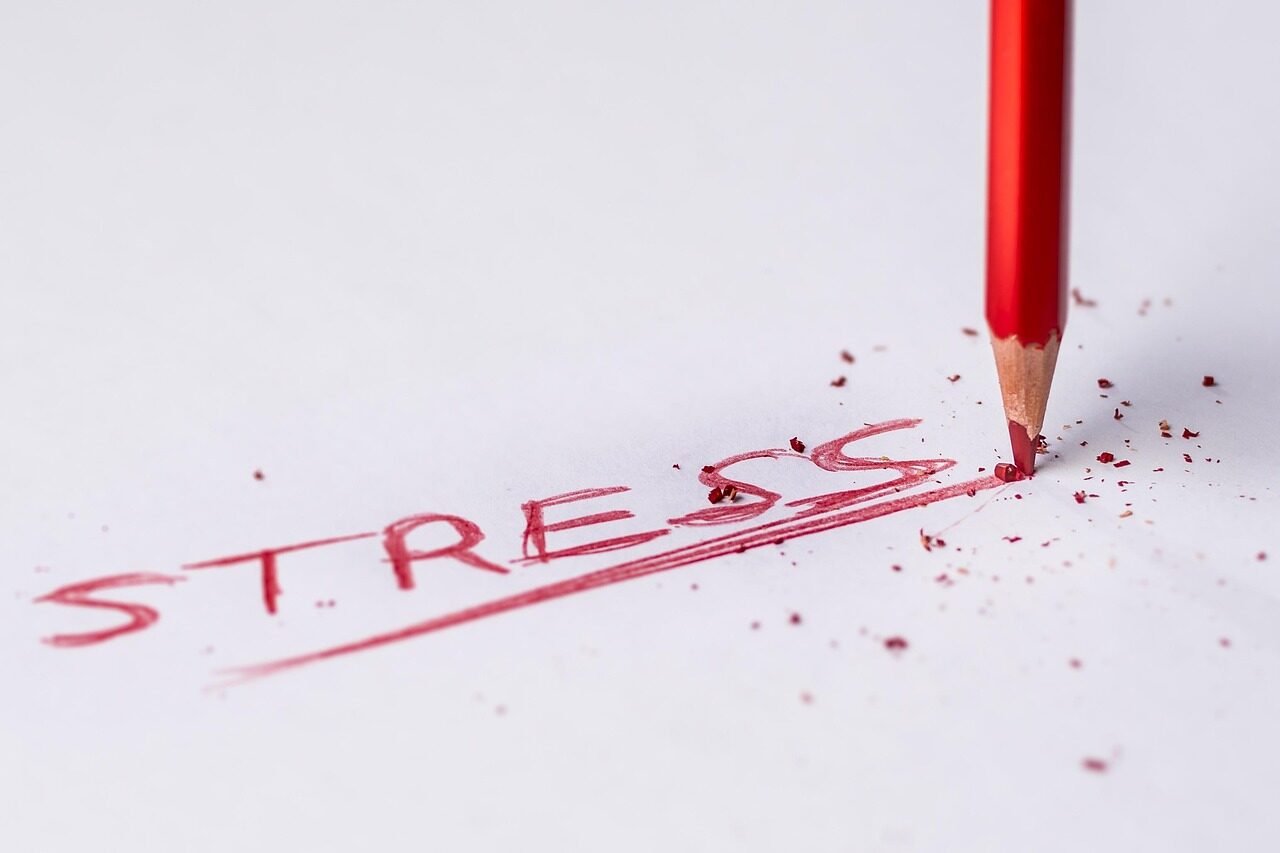
Stress has become the unwanted companion of modern life. Between work demands, family obligations, financial pressures, and the constant barrage of information competing for your attention, feeling overwhelmed is practically universal. But according to Mel Robbins in “The Let Them Theory,” much of your stress is self-inflicted—created by trying to control things you simply cannot control.
The Hidden Source of Your Stress
When you examine where your stress actually comes from, you’ll notice a pattern. Yes, external circumstances create genuine pressure—work deadlines, financial obligations, health concerns. These are real stressors that demand your attention and energy.
But look closer at what keeps you up at night. How much of your stress revolves around other people? Worrying about what someone thinks of you. Stressing over how someone will react to your decision. Ruminating about whether you said the wrong thing. Anxiously anticipating someone’s potential disappointment or anger.
Robbins reveals that an enormous portion of daily stress comes not from the actual challenges you face but from your attempts to manage, predict, or control other people’s thoughts, feelings, and reactions. This realization is both sobering and liberating because it means you’ve been expending energy on something fundamentally impossible.
You Cannot Control Other People
This truth sounds obvious when stated plainly, yet observe your behavior and you’ll see how often you forget it. You carefully craft messages to avoid potential negative reactions. You edit your appearance, words, or choices based on anticipated judgment. You lose sleep wondering what someone thinks about you or rehearsing conversations to achieve specific outcomes.
All of this mental and emotional energy goes toward managing something completely outside your control: another person’s internal experience. You cannot control what someone thinks, feels, believes, or decides. You never could, and you never will. Every moment spent trying is wasted.
In “The Let Them Theory,” Robbins explains that this futile attempt to control the uncontrollable is a primary driver of modern stress. When you release this impossible responsibility, your stress levels drop dramatically.
The Science of Stress and Control
Research in neuroscience and psychology reveals why trying to control others creates such intense stress. Your brain is wired to detect threats and respond with stress hormones designed for immediate physical action. This fight-or-flight response works beautifully for actual danger requiring physical response.
However, modern stressors rarely demand physical action. Instead, you face psychological threats—potential judgment, possible rejection, anticipated conflict. Your brain treats these social threats similarly to physical danger, flooding your system with cortisol and adrenaline. But there’s nowhere to run and nothing to fight. The stress hormones circulate with no outlet, creating that familiar feeling of anxious tension.
When you attempt to control other people’s reactions or opinions, you place yourself in a perpetual state of threat anticipation. Your nervous system stays activated, constantly scanning for danger that might never materialize. This chronic stress state damages your physical health, mental well-being, and ability to function effectively.
The Let Them Theory interrupts this cycle by helping you distinguish between real threats requiring action and imagined threats created by attempting to control the uncontrollable.

Let Them: Release the Burden of Managing Others
When you say “Let Them,” you consciously release responsibility for managing other people’s internal experiences. Let Them have their opinions about you. Let Them react however they react. Let Them make their own choices. Let Them experience their own emotions.
This release creates immediate stress relief. Notice how your shoulders drop and your breathing deepens when you genuinely let go of controlling someone else’s response. That physical relaxation reflects your nervous system shifting out of threat mode.
Robbins shares a powerful example from her own life. When she discovered photos on social media showing friends at a gathering she wasn’t invited to, her initial reaction was hurt, anxiety, and self-doubt. Her mind spiraled: Why didn’t they invite me? What did I do wrong? Do they not like me anymore?
Then she applied the theory: Let Them have their gathering. Let Them invite who they want. Let Them make their own choices about their social plans. Immediately, the emotional charge dissipated. She could see the situation more clearly without the distortion of taking it personally.
Let Me: Focus on What You Can Control
The second part of the theory—Let Me—redirects your energy from impossible external control to powerful internal control. After releasing responsibility for others’ thoughts and actions, you take full responsibility for your own.
In Robbins’ social media example, after saying “Let Them,” she asked herself: What’s my role in this? Have I been reaching out to these friends? Am I investing in these relationships? What do I want to do about my social life?
This shift transformed her from a victim of exclusion to an empowered creator of her own social experience. Let Me reach out more often. Let Me create plans instead of waiting for invitations. Let Me take responsibility for building the friendships I want.
This redirection is where stress transforms into productive action. Instead of spinning in anxious rumination about things you cannot control, you channel that energy into concrete steps within your control.
The Difference Between Stress and Action
Robbins distinguishes between two types of energy expenditure: stress and action. Stress is what you experience when trying to control the uncontrollable. It’s circular, unproductive, and exhausting. You think the same thoughts repeatedly, worry about potential outcomes, and create scenarios in your mind—all without making any actual progress.
Action is different. Action means identifying what you can control and taking concrete steps. Action feels challenging but not paralyzing. It moves you forward rather than keeping you stuck in mental loops.
The Let Them Theory helps you identify when you’re caught in stress mode versus action mode. If you’re ruminating about what someone else might think, do, or say—you’re in stress mode trying to control the uncontrollable. If you’re planning what you’ll do, say, or choose regardless of others’ reactions—you’re in action mode controlling what’s actually yours to control.
Common Stress Patterns The Theory Addresses
Worrying About Others’ Opinions
One of the biggest stress sources is anticipating judgment. You want to post something on social media but worry about potential criticism. You have an idea at work but fear colleagues will think it’s stupid. You want to make a life change but dread family members’ disapproval.
The Let Them Theory cuts through this paralysis: Let Them judge. Let Them have their opinions. Let Them think whatever they think. Their judgment doesn’t actually hurt you—your fear of their judgment does. When you release the need to manage their opinion, you free yourself to live authentically.
Managing Others’ Emotional Reactions
Another stress pattern involves trying to prevent or manage others’ negative emotions. You avoid difficult conversations because you don’t want someone to be upset. You say yes when you want to say no because you fear disappointing someone. You contort yourself trying to keep everyone happy.
This is exhausting and impossible. People have emotional reactions based on their own histories, triggers, expectations, and needs. You cannot prevent someone from feeling angry, disappointed, or hurt. Let Them have their feelings. Let Them process their emotions. Let Them be responsible for managing their own internal experience.
Your job isn’t to protect adults from experiencing emotions. Your job is to communicate honestly, treat people respectfully, and maintain your own boundaries.
Anticipating Conflict
Many people experience significant stress anticipating potential conflict. You rehearse difficult conversations endlessly, trying to find the perfect words that will prevent defensiveness. You delay necessary conversations because you dread potential confrontation.
The Let Them Theory acknowledges that conflict might happen—and that’s okay. Let Them disagree with you. Let Them get angry. Let Them react however they react. You can handle it. Releasing the need to prevent all conflict eliminates enormous anticipatory stress.
Practical Application: Reducing Stress Daily
Robbins provides specific strategies for using the theory to reduce daily stress:
Catch the Control Spiral
Develop awareness of when you’re attempting to control the uncontrollable. Notice stress signals: racing thoughts, tight shoulders, shallow breathing, rumination. These physical cues indicate you’ve entered control mode.
When you notice this happening, pause and ask: What am I trying to control? If the answer involves another person’s thoughts, feelings, or choices, you’ve identified the problem. Say “Let Them” and feel the immediate relief.
Redirect to Your Circle of Control
After releasing control over others, immediately identify what you can control. What action can you take? What choice is yours to make? What boundary can you establish? This redirection prevents the void created by releasing control from filling with anxiety.
Practice the Five-Second Shift
When stress arises, give yourself five seconds to acknowledge it, then consciously shift your focus. Five seconds to notice you’re trying to control someone else’s opinion. Five seconds to say “Let Them.” Five seconds to ask “Let Me—what do I control here?”
This quick shift prevents stress from building momentum and consuming your mental energy.
The Paradox of Control
Here’s the beautiful paradox Robbins highlights: when you stop trying to control others, you gain more actual control over your life. The energy previously wasted on managing the unmanageable becomes available for meaningful action within your true domain of control.
You discover that you control far more than you thought—not over others, but over yourself. You control your choices, responses, boundaries, priorities, time allocation, and energy investment. When you focus exclusively on these controllable elements, your capacity for positive change expands dramatically.
When Stress Serves a Purpose
Robbins acknowledges that not all stress is bad. Acute stress in response to genuine challenges can motivate action and sharpen focus. The problem is chronic stress created by attempting impossible control.
The Let Them Theory helps you distinguish between productive stress (facing a real deadline, preparing for a challenging event) and destructive stress (worrying about potential judgment, trying to prevent others’ negative emotions). You can then eliminate unnecessary stress while effectively channeling necessary stress toward productive action.
Long-Term Benefits of Releasing Control
People who consistently apply the Let Them Theory report profound long-term stress reduction. They sleep better. Their relationships improve because they stop trying to manage others. They make decisions more confidently because others’ potential reactions no longer paralyze them.
They also report increased energy, creativity, and joy. When your brain isn’t constantly consumed by stress about things you can’t control, it becomes available for activities you enjoy, relationships that matter, and pursuits that fulfill you.
The Bottom Line on Stress Management
Stress is inevitable, but much of the stress you experience is optional—created by attempting to control other people’s thoughts, feelings, and reactions. This futile effort exhausts you while accomplishing nothing.
The Let Them Theory offers a better way. Release responsibility for managing others. Let Them have their opinions, reactions, and choices. Then redirect that freed energy toward what you actually control: your own thoughts, choices, and actions.
This simple shift transforms your relationship with stress. You stop generating unnecessary anxiety through impossible control attempts. You start channeling your energy productively toward goals within your actual power to achieve.
Mel Robbins has given us a practical tool for navigating modern stress without being consumed by it. By distinguishing between what you can and cannot control—and focusing exclusively on the former—you create the peace, energy, and effectiveness that stressed-out control attempts never deliver.
Related posts:
 How to Overcome Fear of What Others Think With Let Them
 How to Stop Comparing Yourself to Others: How The Let Them Theory Breaks the Comparison Trap
 How to Find the Love of Your Life (And Why Most People Never Do)
 Personal Responsibility: The Skill That Determines Freedom, Power, and Success
 How to Maintain Adult Friendships: The Let Them Theory’s Solution to Loneliness (The Let Them Theory by Mel Robbins)