
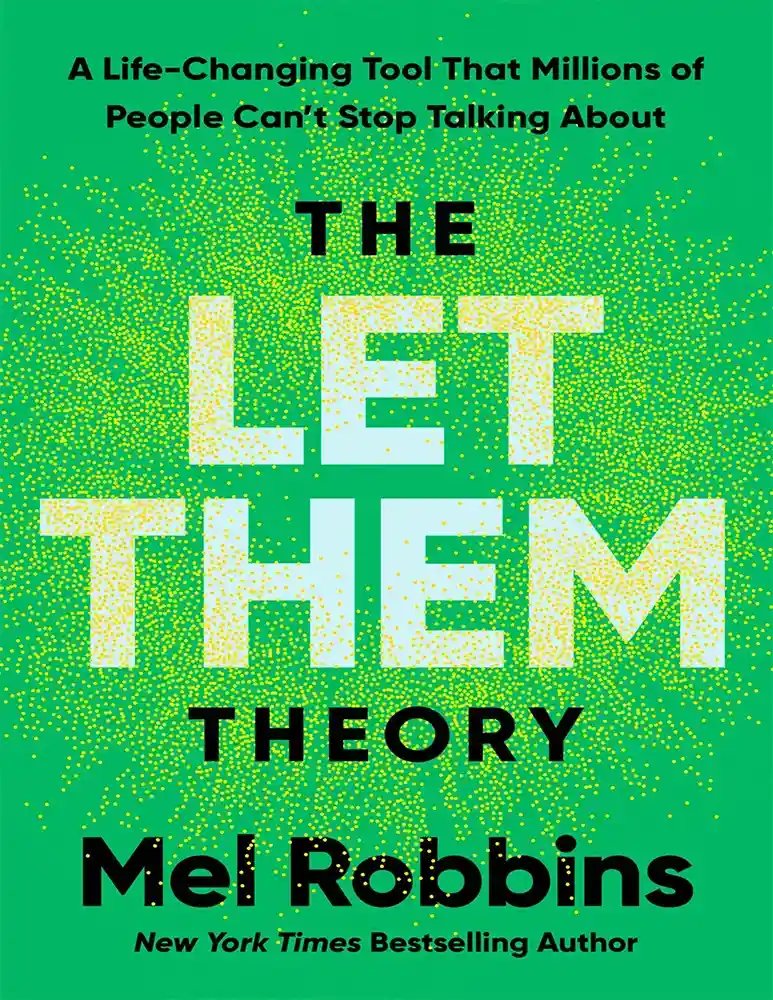
If you’ve ever scrolled through social media and felt a pang of exclusion seeing friends at brunch without you, or wondered where all your friends went after college, you’re not alone. Adult friendship has become one of the most challenging aspects of modern life, and in her groundbreaking book “The Let Them Theory,” Mel Robbins tackles this struggle head-on with revolutionary insights.
The Great Scattering: What Nobody Tells You About Adult Friendships
Robbins introduces a concept she calls “The Great Scattering”—a pivotal moment that happens to everyone but few people recognize. Throughout childhood and school, friendships happened automatically. You saw the same people every single day, five days a week, for years. Proximity created opportunity, structure created consistency, and shared experiences built bonds without effort.
Then graduation happens. Whether from high school, college, or graduate school, this moment changes everything. Suddenly, the structure that facilitated friendships disappears. Friends move to different cities, start demanding careers, enter relationships, or pursue divergent life paths. The daily proximity that made friendship effortless vanishes overnight.
This is the Great Scattering, and it fundamentally transforms how friendship works. Yet most people never adjust their approach. They continue expecting friendships to happen automatically, waiting for invitations, and feeling hurt when friends don’t reach out. This expectation is precisely what creates so much pain, loneliness, and confusion about adult friendships.
Why Your Approach to Friendship Is Failing
In “The Let Them Theory,” Robbins explains that adult friendship requires a complete mindset shift. The passive approach that worked in school—where friendships developed through consistent proximity—no longer applies. When structure disappears, you must become proactive. When proximity vanishes, you must create it intentionally. When timing doesn’t align, you must be flexible.
The problem is that most people take friendship personally. When friends don’t invite you somewhere, you spiral into hurt feelings and self-doubt. When someone doesn’t text back immediately, you wonder if they’re mad at you. When people prioritize other relationships or commitments, you feel rejected.
This emotional reactivity stems from an outdated friendship model. You’re applying childhood friendship rules to adult friendship realities, and the mismatch creates unnecessary suffering.
The Three Pillars of Adult Friendship
Robbins identifies three essential pillars that make adult friendships possible: proximity, timing, and energy. Understanding these pillars transforms how you navigate friendships and explains why some connections thrive while others fade.
Proximity: The Geography of Connection
Proximity refers to physical closeness and how often you naturally encounter someone. Research consistently shows that proximity is one of the strongest predictors of friendship formation and maintenance. When you live near someone, work with them, or regularly cross paths, friendship develops more easily because consistent interaction requires less effort.
When proximity disappears—through moves, job changes, or life transitions—maintaining friendship requires significantly more intention. You can absolutely sustain long-distance friendships, but doing so demands conscious effort, regular communication, and deliberate planning. Many friendships fade not because of personal conflict but simply because distance makes connection harder.
The Let Them Theory helps you accept this reality without taking it personally. Let Them move away. Let Them be busy with their local community. Let Them prioritize the friendships that proximity makes easier. This doesn’t mean you’ve lost a friend—it means the context has changed.
Timing: The Seasons of Life
Timing encompasses where someone is in their life journey and what demands they’re facing. New parents are exhausted and consumed by caring for an infant. People launching businesses work around the clock. Individuals navigating divorce, illness, or family crises have limited emotional bandwidth for socializing.
These timing mismatches don’t reflect on you or the friendship’s value. They simply represent different life seasons requiring different energy allocations. Someone who can’t meet for monthly dinners isn’t rejecting you—they’re managing their current reality.
Robbins emphasizes that timing ebbs and flows throughout life. A friend might “disappear” for a few years while caring for aging parents or young children, then reemerge when that season passes. Applying the Let Them Theory means giving people grace during demanding life phases while maintaining the connection thread through occasional check-ins.
Energy: The Currency of Connection
Energy represents the emotional and physical capacity someone has for social interaction. Introverts need significant alone time to recharge. People with demanding jobs might have little energy for socializing during busy seasons. Those managing mental health challenges might have fluctuating capacity for social engagement.
Energy availability changes constantly based on stress levels, health, work demands, family obligations, and personal circumstances. When someone has limited energy, they’ll naturally prioritize relationships requiring less effort or providing the most support and fulfillment.
Understanding the energy pillar helps you recognize that declining invitations or reduced contact often has nothing to do with you. Let Them manage their energy how they need to. Let Them prioritize what serves them during challenging periods. This flexibility prevents you from personalizing natural energy fluctuations.
How The Let Them Theory Transforms Adult Friendships
The beauty of applying the Let Them Theory to friendship is that it liberates you from the exhausting cycle of taking everything personally. When you stop expecting constant contact, automatic invitations, and unchanging connection, you create space for authentic friendship to exist within real-world constraints.
Let Them: Release Expectations
If friends cancel plans because of a long work week, Let Them. If they fall in love and suddenly have less time for you, Let Them. If they move away and start a new chapter, Let Them. If they prioritize other friendships or commitments, Let Them. If they don’t invite you to every gathering, Let Them. If they stop returning calls as frequently, Let Them.
People will naturally come and go in your life based on proximity, timing, and energy. The more flexible you become, the more friendships can adapt to changing circumstances rather than ending because of them. Robbins notes that some of your closest friends might “disappear” for years, yet when you reconnect, you fall right back into deep connection.
The connection you have with someone never actually breaks—proximity, timing, and energy simply change. It’s never too late to reconnect with old friends, and this reality is completely within your control.
Let Me: Take Responsibility for Connection
Here’s where many people misunderstand the theory. Let Them without Let Me leads to passive withdrawal and increased loneliness. The second step is crucial: taking personal responsibility for creating the friendships you want.
Let Me stop expecting others to always include me. Let Me take responsibility for my social life. Let Me be more proactive about reaching out. Let Me invite people to do things. Let Me understand that adult friendship requires effort. Let Me create opportunities for connection. Let Me be the friend I wish I had.
When you’re an adult, your social life is your responsibility. If you want more fun, better friendships, or a stronger community, you must actively create it. Waiting for others to include you, assuming they don’t like you, or expecting invitations guarantees disappointment.
Practical Strategies for Creating Amazing Adult Friendships
Robbins provides concrete strategies for building meaningful friendships as an adult:
Start Where You Are
You don’t need to make new best friends immediately. Start by creating a sense of community wherever you currently live. Say hello to neighbors. Chat with regular faces at the coffee shop, gym, or dog park. Attend local events. Join clubs, classes, or groups aligned with your interests.
These small interactions build familiarity and comfort, creating the foundation for deeper friendships. Proximity still matters, so intentionally create it by showing up regularly to the same places and activities.
Go First
Stop waiting for others to reach out. Be the person who sends the text, makes the call, or extends the invitation. Yes, it feels vulnerable. Yes, you risk rejection. But you also create opportunities that wouldn’t exist otherwise.
Most people want connection but hesitate to initiate because they fear being annoying or rejected. When you go first, you’re often doing exactly what the other person wanted but was too nervous to do.
Embrace Awkwardness
Building new friendships as an adult requires accepting awkward moments. Introducing yourself to someone new feels uncomfortable. Suggesting a coffee date with an acquaintance feels risky. Following up after an initial conversation requires courage.
Robbins encourages readers to push through this discomfort because meaningful friendships exist on the other side. One awkward conversation at a time, you build the community and connections you deserve.
Maintain Flexible Expectations
Apply the three pillars understanding to your friendships. Recognize that proximity, timing, and energy naturally fluctuate. Don’t interpret temporary distance as permanent rejection. Give friends grace during demanding life seasons. Stay in touch without demanding constant availability.
The most resilient friendships are flexible friendships—relationships that can contract and expand based on life circumstances without ending entirely.
Create Regular Connection Points
For friendships you want to maintain despite proximity challenges, establish regular connection points. Monthly video calls, quarterly visits, or annual trips create structure that compensates for daily interaction absence. Even simple practices like texting when someone crosses your mind keep the connection alive.
The Truth About Social Media and Friendship
Robbins addresses how social media complicates adult friendship. Seeing friends at events without you triggers comparison and exclusion feelings. Watching others’ social lives appear more vibrant and full can make you feel inadequate or left out.
The Let Them Theory provides perspective here too. Let Them share what they want to share. Let Them have other friendships and experiences. Their social life doesn’t diminish yours, and their photos don’t tell the complete story.
Focus on Let Me: Let me reach out instead of waiting. Let me create my own experiences. Let me stop comparing my behind-the-scenes reality to others’ highlight reels. Let me invest in the friendships I have rather than mourning ones I don’t.
When Friendships Naturally End
Not all friendships are meant to last forever, and that’s okay. Some people enter your life for a season, providing exactly what you needed during that time. When proximity, timing, and energy no longer align—and neither person has the capacity or desire to bridge those gaps—friendships naturally fade.
The Let Them Theory helps you release friendships that no longer serve you without bitterness or resentment. Let Them move on to relationships that better fit their current needs. Let Me appreciate what we shared and remain open to future connection if circumstances change.
This graceful release creates space for new friendships aligned with who you are now and what you currently need.
Your Best Friendships Are Still Ahead
One of the most hopeful messages in Robbins’ book is this: some of your favorite people haven’t entered your life yet. The best friendships, the deepest connections, the most meaningful relationships might still be waiting around the corner.
This perspective shifts you from mourning lost friendships to eagerly anticipating future ones. It motivates you to stay open, keep showing up, and continue putting yourself out there. Your community is building one interaction at a time, and every awkward hello brings you closer to your people.
The Bottom Line on Adult Friendships
Adult friendship is hard because the structure that once made it easy has disappeared. But understanding proximity, timing, and energy—and applying the Let Them Theory—gives you a new framework for creating meaningful connections.
Stop expecting friendships to happen automatically. Stop taking natural life changes personally. Stop waiting for others to always go first. Instead, take responsibility for building the social life and community you deserve.
Let Them live their lives, manage their energy, and navigate their seasons. Let Me create the friendships I want through proactive effort, flexible expectations, and consistent showing up.
The amazing friendships you want are absolutely possible. They just require a different approach than the one you learned in school. Thanks to Mel Robbins’ insights in “The Let Them Theory,” you now have the tools to master adult friendship and build connections that enrich your life for decades to come.
Related posts:
 Overcoming Fear of What Others Think: Break Free from Others’ Opinions with The Let Them Theory by Mel Robbins
 Stress Management Skills: Stop Stressing About Things You Can’t Control with Mel Robbins’ Revolutionary Approach
 How to Stop Comparing Yourself to Others: How The Let Them Theory Breaks the Comparison Trap
 The Let Them Theory by Mel Robbins Summary: 25 Powerful Book Takeaways
 How to Deal With Difficult People: The Let Them Theory’s Approach with Mel Robbins