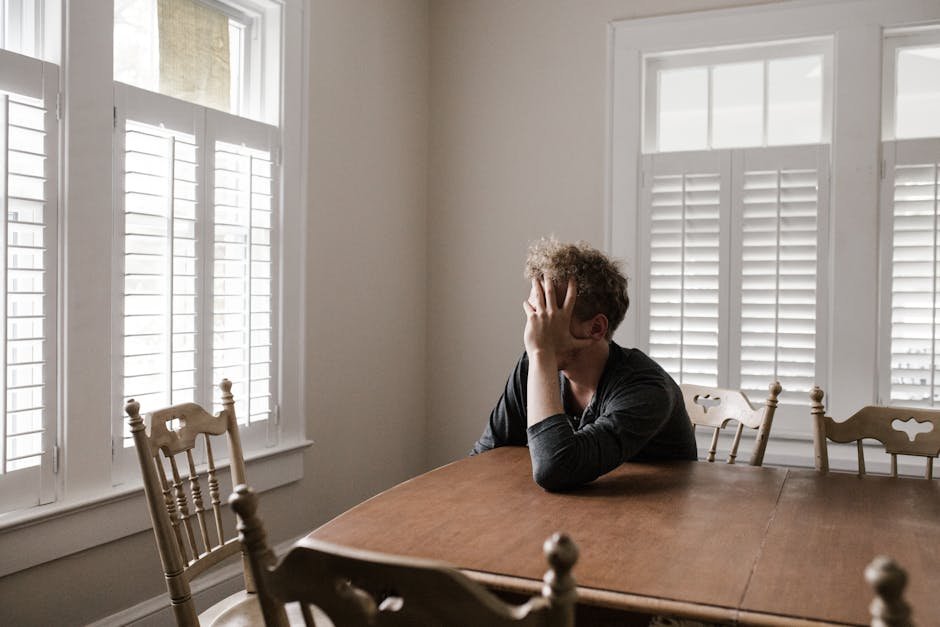
The ancient Greek playwright Aeschylus wrote something that Ryan Holiday returns to repeatedly in Wisdom Takes Work: “He who learns must suffer. And even in our sleep, pain that cannot forget falls drop by drop upon the heart, and in our own despair, against our will, comes wisdom to us.”
This is a hard truth that modern self-help culture tries desperately to deny. We want wisdom without pain, growth without struggle, transformation without suffering. We want the shortcut, the hack, the easy path to enlightenment.
But as Holiday demonstrates throughout Wisdom Takes Work, there is no wisdom without suffering. Not because suffering is inherently noble, but because certain truths can only be learned through direct experience—and those experiences are almost always difficult.
Why Suffering Teaches What Comfort Cannot
Holiday doesn’t romanticize suffering or suggest seeking pain for its own sake. Instead, he examines why difficult experiences are uniquely effective at producing wisdom.
Suffering strips away illusions. When life is comfortable, you can sustain pleasant fictions about yourself and the world. You can avoid confronting uncomfortable truths. But when crisis hits—when you lose someone you love, when you fail spectacularly, when you face your own mortality—reality becomes impossible to deny.
Hardship reveals character. You don’t know what you’re made of until you’re tested. Holiday emphasizes that we discover our true values, our actual priorities, and our real strength not in comfort but in adversity. Smooth seas never made a skilled sailor.
Pain demands attention. You can intellectually understand a concept without truly grasping it. But when you experience something painful directly, it sears itself into your consciousness. The lesson becomes visceral, unforgettable, transformative in ways that mere knowledge never could be.
The Types of Suffering That Produce Wisdom
Not all suffering is equal. Holiday distinguishes between suffering that destroys and suffering that transforms. The difference lies not in the intensity of the pain but in how you engage with it.
Necessary suffering versus unnecessary suffering. Necessary suffering comes from growth, challenge, and facing reality. It’s the pain of learning a difficult skill, confronting an uncomfortable truth, or enduring unavoidable loss. Unnecessary suffering comes from poor decisions, avoidable mistakes, or refusing to accept reality.
Holiday argues that wisdom involves learning to distinguish between these types and accepting necessary suffering while minimizing unnecessary pain. The Stoics called this “living according to nature”—accepting what must be while working to change what can be.
Active suffering versus passive suffering. When suffering happens to you and you simply endure it, you might become bitter or broken. But when you actively engage with your suffering—questioning it, learning from it, extracting meaning from it—you transform pain into wisdom.
Holiday shares examples from his own life of both types. Professional failures that he initially resented became, through reflection, some of his most valuable lessons. Personal losses that seemed meaningless eventually revealed profound truths about what matters.
Historical Models: Wisdom Forged in Fire
Wisdom Takes Work is filled with examples of individuals whose wisdom emerged directly from suffering they could have avoided had they chosen comfort over growth.
Marcus Aurelius faced plague, war, betrayal, and the loss of children. His Meditations wasn’t written during peaceful contemplation—it was composed in military camps while dealing with threats to the empire and his own health. The wisdom in those pages came from suffering transformed through reflection.
Epictetus was born a slave, living in chains for much of his early life. Most people would have emerged from such experience broken and bitter. Instead, Epictetus became one of philosophy’s greatest teachers precisely because slavery taught him what no book could—that freedom exists in the mind regardless of external circumstances.
Viktor Frankl survived Nazi concentration camps, witnessing and experiencing horrors that would destroy most people’s faith in humanity. Yet from this suffering, he developed logotherapy and wrote Man’s Search for Meaning, arguing that the last of human freedoms is choosing one’s attitude in any circumstance.
What separates these individuals from others who suffered similarly? They chose to extract wisdom from pain rather than simply endure it.
The Modern Avoidance of Difficulty
Holiday contrasts these historical examples with contemporary culture’s relationship with discomfort. We’ve created a society designed to minimize any form of suffering, even the productive kind.
We medicate discomfort immediately. Feel anxious? Take something. Feel bored? Scroll your phone. Feel challenged? Quit and find something easier. Holiday notes that while medical and technological advances have eliminated much unnecessary suffering, they’ve also made it harder to build resilience and wisdom.
We confuse comfort with happiness. The pursuit of ease has become confused with the pursuit of the good life. But as Holiday points out, the most satisfied people aren’t those with the most comfortable lives—they’re those who’ve overcome significant challenges and found meaning in struggle.
We’ve lost the concept of voluntary hardship. Ancient philosophers deliberately practiced poverty, fasting, and physical challenge to build strength and perspective. Modern culture sees such practices as strange or masochistic. Yet Holiday argues we’ve thrown out crucial wisdom-building tools in our rush to eliminate discomfort.
Practical Applications: How to Suffer Into Truth
Holiday offers specific practices for transforming suffering into wisdom rather than simply enduring pain:
Embrace voluntary discomfort. Before suffering is forced upon you, choose it deliberately. Fast occasionally. Take cold showers. Exercise hard. Sleep on the floor. These practices build resilience and remind you that comfort isn’t necessary for wellbeing. The Stoics called this “premeditatio malorum”—visualizing and experiencing hardship before it becomes necessary.
Reflect on suffering when it occurs. Don’t just endure difficult experiences—interrogate them. What is this teaching me? How am I responding? What does this reveal about what I value or fear? Holiday emphasizes that suffering without reflection is wasted pain. The transformation happens in the meaning-making.
Look for the lesson, not the escape. When facing hardship, our first instinct is to make it stop as quickly as possible. But Holiday suggests asking instead: “What can I learn before this ends?” This shift in perspective transforms you from victim to student.
Share what you’ve learned. Holiday notes that suffering becomes meaningful when you use it to help others. The wisdom extracted from your pain can spare others from similar mistakes or help them endure similar hardships. This transforms your suffering into service.
The Difference Between Pain and Growth
One of Holiday’s crucial insights in Wisdom Takes Work is that pain and growth, while often correlated, aren’t identical. You can suffer without growing, and you can grow without catastrophic suffering.
Some people endure tremendous hardship and emerge no wiser. They become bitter, victimized, or broken. The suffering happened, but the transformation didn’t. This isn’t because their pain was insufficient—it’s because they didn’t engage with it productively.
Others extract extraordinary wisdom from relatively modest challenges. They pay attention to small failures, learn from minor setbacks, and reflect deeply on everyday difficulties. They don’t need life-altering trauma to grow because they’re mining wisdom from daily experience.
Holiday emphasizes that the goal isn’t to seek maximum suffering but to maximize learning from whatever suffering occurs. You don’t need to manufacture crisis, but you do need to engage thoughtfully with difficulty when it arrives.
When Suffering Doesn’t Lead to Wisdom: The Traps
Not all responses to suffering produce wisdom. Holiday identifies several ways people fail to transform pain into growth:
Denial and avoidance. When you refuse to acknowledge or engage with suffering, you can’t learn from it. Some people spend decades avoiding uncomfortable feelings, unprocessed trauma, or difficult truths. This doesn’t eliminate the suffering—it just ensures it won’t produce wisdom.
Permanent victimhood. While acknowledging harm is important, remaining perpetually identified as a victim prevents growth. Holiday notes the difference between recognizing that bad things happened to you and defining yourself primarily through those experiences. Wisdom requires moving from “this happened to me” to “this is what I learned.”
Comparison and competition in suffering. Some people turn their pain into a twisted form of status, competing to prove their suffering was worse than others’. This hijacks the wisdom-building process, replacing growth with grievance.
Bitterness and resentment. When suffering hardens you rather than refining you, it produces cynicism instead of wisdom. Holiday points out that the same experience can make one person compassionate and another cruel—the difference is in how you process the pain.
The Physical Component: Mens Sana in Corpore Sano
Holiday dedicates significant attention to physical suffering and its relationship to wisdom. The Latin phrase “mens sana in corpore sano”—a sound mind in a sound body—captures an ancient understanding that mental and physical development are inseparable.
Physical challenge builds mental toughness. When you push your body beyond comfort—through exercise, martial arts, or endurance sports—you develop the mental strength to face other difficulties. The discipline to continue when your body wants to quit transfers to other domains.
Physical suffering provides metaphors for mental and emotional struggle. Holiday describes how lessons learned in physical training—persistence, patience, accepting discomfort—become applicable to every area of life. The gym or the trail becomes a laboratory for wisdom.
The body teaches what the mind often denies. You can intellectualize strength and resilience, but until you’ve felt your muscles burn and chosen to continue anyway, you don’t truly understand these qualities. Physical experience grounds abstract virtues in concrete reality.
Extracting Meaning From Unavoidable Loss
Perhaps the most profound section of Holiday’s exploration involves unavoidable suffering—death, disease, natural disaster, and other hardships we don’t choose and can’t prevent.
Meaning-making is the key to surviving unavoidable suffering. Viktor Frankl, whom Holiday references extensively, discovered that those who found meaning in their suffering were more likely to survive the concentration camps. The same principle applies to all tragedy—we can’t always choose what happens, but we can choose what it means.
Loss teaches the value of what we had. Holiday reflects on personal losses, noting how grief revealed what truly mattered. It’s a painful way to learn, but sometimes the only way we recognize what we should cherish is by experiencing its absence.
Mortality creates urgency for wisdom. The awareness that time is limited transforms how you use it. Holiday argues that contemplating death—memento mori in Stoic practice—isn’t morbid but clarifying. It strips away the trivial and focuses attention on what actually matters.
The Transformation: From Wound to Wisdom
Holiday concludes this section with a powerful framework: suffering is the wound, but wisdom is what grows in the scar tissue.
The wound itself isn’t wisdom—it’s just damage. But when you work with it, clean it, understand it, and allow it to heal properly, what remains is stronger than what was there before. The scar tissue is tougher, more resilient, more aware of vulnerability and therefore more careful.
This is the transformation Holiday describes in Wisdom Takes Work. Suffering refined through reflection becomes wisdom. Pain processed through meaning-making becomes strength. Difficulty engaged with courage becomes character.
The goal isn’t to seek suffering or glorify pain. The goal is to extract every possible lesson from the hardships life inevitably brings, transforming unavoidable suffering into hard-won wisdom.
As Holiday reminds us, quoting Aeschylus once more: wisdom comes “drop by drop upon the heart.” Each drop is a moment of suffering. Each drop, properly received, becomes a unit of wisdom. Over time, these drops accumulate into a reservoir of understanding that no amount of comfortable learning could produce.
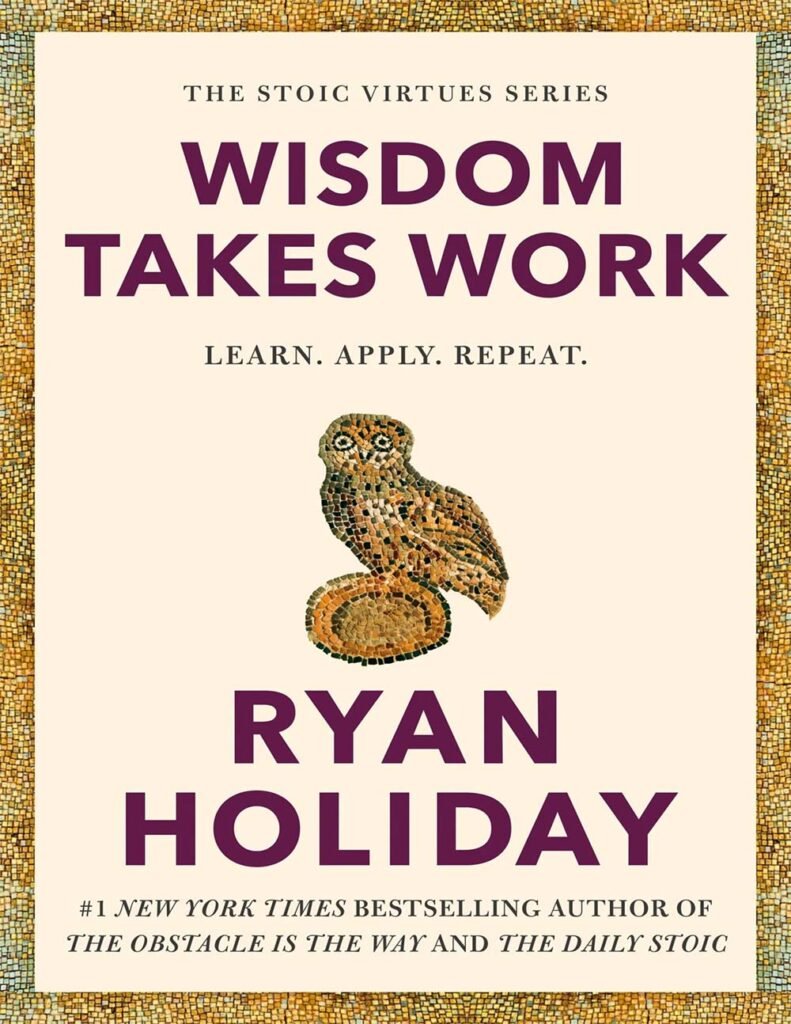
Ryan Holiday’s Wisdom Takes Work: The Ultimate Guide to Ancient Wisdom for Modern Life
Related posts:
 Ryan Holiday’s “Wisdom Takes Work”: Why Philosophy Only Matters When It’s Practiced
 Who is Ryan Holiday and His Impact on Philosophy Presented By Masculine Synergy
 Practical Wisdom: How to Empty Your Cup and Learn Again
 Discipline Is Destiny Summary: Ryan Holiday’s Guide to Self-Mastery
 The Obstacle Is the Way Summary: Ryan Holiday’s Complete Framework