Key Lessons from Mel Robbins‘ Life-Changing Book
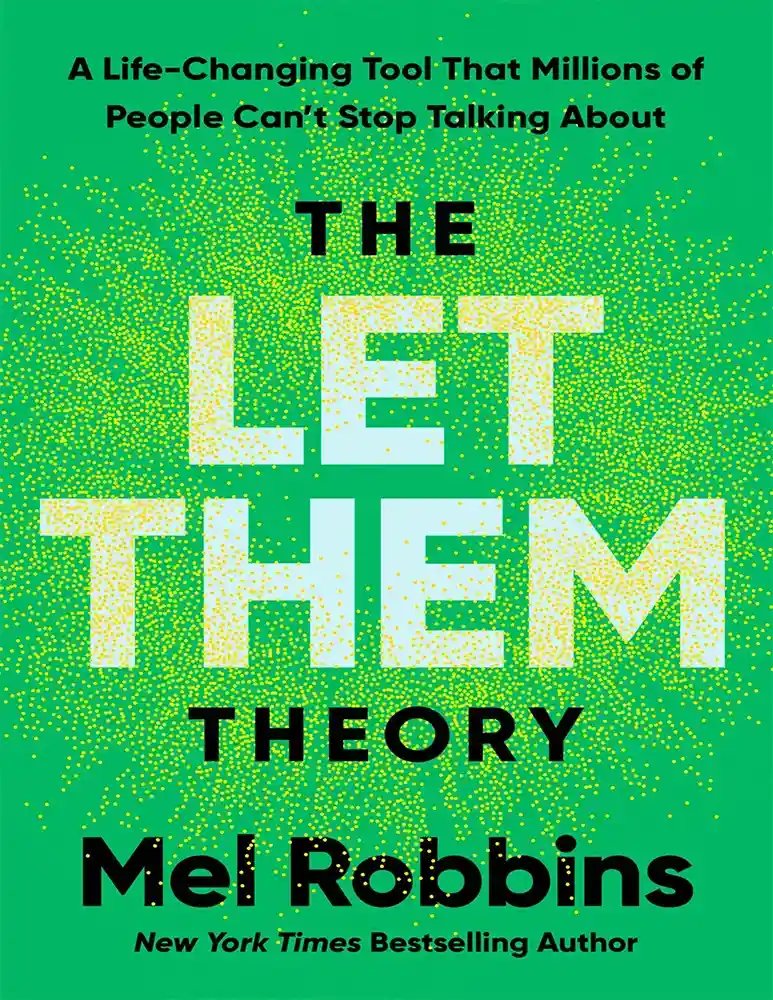
If you’re searching for insights from Mel Robbins’ revolutionary book “The Let Them Theory,” you’ve come to the right place. This comprehensive guide breaks down the 25 most powerful takeaways from this transformative book that teaches you how to reclaim your power, reduce stress, and build better relationships.
What Is The Let Them Theory?
The Let Them Theory is a simple yet profound mindset shift that will change how you approach life, relationships, and personal growth. By learning to let others be who they are while focusing on what you can control, you’ll unlock unprecedented freedom and happiness.
25 Key Takeaways with 25 Quotes from The Let Them Theory
1. Stop Giving Your Power to Other People
The fundamental problem isn’t you—it’s the power you unknowingly give to other people.
“The problem isn’t you. The problem is the power you unknowingly give to other people.”
When you spend your energy trying to control what others think, say, or do, you rob yourself of the power to change your own life.
2. Two Words Can Free You: Let Them
The Let Them Theory centers on two simple words that will revolutionize your life.
“Two simple words—Let Them—will free you from the burden of trying to manage other people.”
These words remind you to release control over things that were never yours to control in the first place.
3. Small, Consistent Action Changes Everything
The 5 Second Rule taught Mel Robbins that transformation comes from taking action, not thinking about it.
“Small, Consistent Action Changes Everything”
Don’t wait to feel motivated. Use the 5-4-3-2-1 countdown to push yourself forward, even when you don’t feel like it.
4. You Can’t Control What Other Adults Do
Trying to manage other people’s behavior is a losing battle that drains your energy.
“You can’t control what another adult says, does, or thinks. Try to and you’ll regret it.”
Accept this fundamental truth and redirect your energy toward what you can control: your own responses and actions.
5. Stress Is Your Body Switching Between Two Functions
Understanding the science of stress empowers you to take control of it.
“Stress is your body and brain switching between two functions.”
When you’re stressed, your amygdala takes over. Learning to reset this response is key to thriving rather than just surviving.
6. Use Let Them + Let Me to Reset Your Stress Response
This two-part formula helps you regain control when stress hits.
“The moment you say Let Them, you are signaling to your brain that it’s okay: This isn’t worth stressing about.”
Follow up with “Let Me” to take a breath, calm down, and choose your response intentionally.
7. Focus on What You Can Control, Not What You Can’t
Your power lies in controlling your response, not in changing others or circumstances.
“Focusing on what you can’t control makes you stressed. Focusing on what you can control makes you powerful.”
Stop trying to manage uncontrollable situations and instead focus on your own actions and attitude.
8. 70% of People Live in Chronic Stress
Living in constant stress mode prevents you from achieving your potential.
“According to Dr. Aditi, 7 out of 10 people are currently living in a chronic state of stress.”
When you’re always in survival mode, your goals, dreams, and best self go out the window.
9. Let Others Think Whatever They Want About You
Other people’s opinions are not your problem—unless you make them your problem.
“Let Them judge. Let Them disapprove. Let Them have their opinions. Let Them think bad thoughts. Let Them talk about me behind my back.”
Stop navigating life based on what you anticipate others might think. Give yourself permission to live authentically.
10. Your Happiness Isn’t Tied to Someone Else’s Behavior
You’ve unknowingly sabotaged your own happiness by tying it to how others act.
“Your happiness is tied to your actions, not someone else’s behavior, opinions, or mood.”
Take responsibility for your own happiness instead of waiting for others to change.
11. Comparison Can Be Your Teacher, Not Your Enemy
When used correctly, comparison shows you what’s possible, not what you lack.
“Other people show you what’s possible. When you see comparison as a teacher, you’ll realize other people aren’t taking anything from you; they are giving something to you.”
Let others’ success inspire you rather than discourage you.
12. No One Else’s Wins Are Your Losses
Success isn’t a finite resource—there’s enough for everyone.
“There is enough happiness, success, and money to go around for absolutely everyone including you. It is in limitless supply.”
Stop seeing others’ achievements as evidence that you can’t achieve the same things.
13. Jealousy Is an Invitation from Your Future Self
When you feel jealous, pay attention—it’s showing you what you want.
“If you are jealous right now about someone else’s success, GOOD. I’m happy for you. Jealousy is an invitation from your future self.”
Use jealousy as motivation to pursue what you truly want, not as evidence of your inadequacy.
14. Adult Friendship Changes from a Group Sport to an Individual One
Understanding this shift is crucial for navigating adult relationships.
“When you reach your 20s, friendship changes from a group sport to an individual one—and no one understands this.”
The structure that supported childhood friendships is gone. You must now proactively build and maintain friendships.
15. The Great Scattering Is Normal
After high school or college, friends scatter in different directions—and that’s okay.
“High school or college ends, and all friends scatter in different directions. Suddenly, everyone is living in different places, and very soon, all your friends are on different timelines.”
Don’t fight this natural process. Instead, learn to adapt your approach to adult friendship.
16. You Can’t Force Adults to Change
Pressure creates resistance, not transformation.
“Adults only change when they feel like changing.”
Stop trying to force people to change and instead focus on creating an environment where they want to change.
17. Use the ABC Loop to Influence Change
Ask open-ended questions, model Behavior change, and Celebrate progress.
“By using the ABC Loop to ask open-ended questions, model behavior change, and celebrate progress, you use your power to change other people.”
This approach works with human psychology rather than against it.
18. The More You Rescue, The More They Sink
Constantly saving people from consequences prevents them from developing strength.
“The more you try to rescue someone from their problems, the more likely they will continue to drown in them.”
Support people by standing beside them as they face their challenges, not by removing the challenges.
19. Allow Natural Consequences to Teach
People grow stronger when they face the results of their actions.
“Allowing someone to face the natural consequences of their actions is a necessary part of healing.”
Stop shielding people from consequences. They need to learn from their own experiences.
20. You Can’t Want Someone’s Healing More Than They Do
This is one of the hardest truths about helping people who struggle.
“You cannot want someone else’s sobriety, healing, or health more than they do.”
You’ll be ready to help way before they’re ready to change. Accept this reality.
21. Money Without Conditions Is Enabling
Financial support without boundaries often makes problems worse.
“You owe people love, acceptance, and compassion. You do not owe them money.”
If you’re funding someone’s life while they refuse to help themselves, you’re part of the problem.
22. Let People Show You Who They Are
Pay attention to actions, not just words or potential.
“Let Them Show You Who They Are”
Believe people when they show you who they are through their consistent behavior, not who you hope they’ll become.
23. Time Is Like a Melting Ice Cube
You can’t stop time from passing—so make the most of the moments you have.
“The time that you have with the people that you love is like a melting ice cube. One minute, it’s there… The next, it’s gone.”
Stop wasting precious time stressing over things that don’t matter.
24. You Always Have Power Through Let Me
While you can’t control others, you always control yourself.
“You can’t control everyone around you, or the world at large, or what people are doing at the park, but you can always control what you say, think, or do in response—and that’s where true power comes.”
Your response is where your real power lies.
25. The Best Relationships Are Still Ahead of You
It’s never too late to create meaningful connections and transform your life.
“The best relationships of your life are still ahead of you. The most fulfilling friendships, the most beautiful love stories, and the most incredible bonds with family members are waiting for you.”
When you release expectations and stop trying to control others, your relationships will flourish.
How to Apply The Let Them Theory in Your Life
The Let Them Theory isn’t just a concept—it’s a practical tool you can use every single day:
- When someone stresses you out: Say “Let Them” and take a breath with “Let Me”
- When you feel judged: Remember that others’ opinions don’t define you
- When you’re comparing yourself: Use it as inspiration, not intimidation
- When friendships change: Accept the natural evolution and focus on quality connections
- When trying to change someone: Stop pressuring and start influencing positively
- When someone struggles: Support them in facing challenges rather than rescuing them
Why The Let Them Theory Works
Mel Robbins backs this theory with:
- Neuroscience research on stress and the brain
- Psychology studies on human behavior and motivation
- Ancient philosophies including Stoicism
- Real-life stories from millions of readers worldwide
- Expert insights from therapists and researchers
This isn’t just feel-good advice—it’s a science-backed approach to living a better life.
Final Thoughts: Your Let Me Era Starts Now
The Let Them Theory is about reclaiming your power, protecting your energy, and focusing on what truly matters. By letting others be who they are while taking responsibility for your own life, you unlock freedom, reduce stress, and build better relationships.
Stop waiting for others to change. Stop giving your power away. Start your Let Me era today.
Remember: You can’t control what others do, but you can always control what you do next. And that’s where your true power lies.
About The Let Them Theory by Mel Robbins
Author: Mel Robbins
Published: 2024
Publisher: Hay House
Key Themes: Personal development, stress management, relationships, boundaries, self-empowerment
Complementary Books: The 5 Second Rule, The High 5 Habit
Frequently Asked Questions About The Let Them Theory
Q: What is the main message of The Let Them Theory?
A: The main message is that you should stop trying to control what other people think, say, or do, and instead focus on controlling your own responses and actions.
Q: How is The Let Them Theory different from The 5 Second Rule?
A: The 5 Second Rule helps you take action when you don’t feel like it. The Let Them Theory helps you stop wasting energy on things you can’t control so you have more energy for the actions that matter.
Q: Is The Let Them Theory about being passive?
A: No, it’s about being strategic with your energy. It’s about choosing when to engage and when to let go, based on what you can actually control.
Q: Can The Let Them Theory help with anxiety?
A: Yes, by teaching you to reset your stress response and focus only on what you can control, it significantly reduces anxiety.
Q: How long does it take to see results from using The Let Them Theory?
A: Many people report feeling immediate relief when they first say “Let Them,” but building the habit takes consistent practice over weeks and months.
Ready to transform your life? Start practicing The Let Them Theory today.
Related posts:
 How to Maintain Adult Friendships: The Let Them Theory’s Solution to Loneliness (The Let Them Theory by Mel Robbins)
 How to Stop Stressing Over Things You Can’t Control
 How to Overcome Fear of What Others Think With Let Them
 How to Stop Comparing Yourself to Others: How The Let Them Theory Breaks the Comparison Trap
 How to Find the Love of Your Life (And Why Most People Never Do)